Market Volatility Spikes as Precious Metals Plunge and Tech Jitters Weigh on Futures
New York, Monday, 2 February 2026.
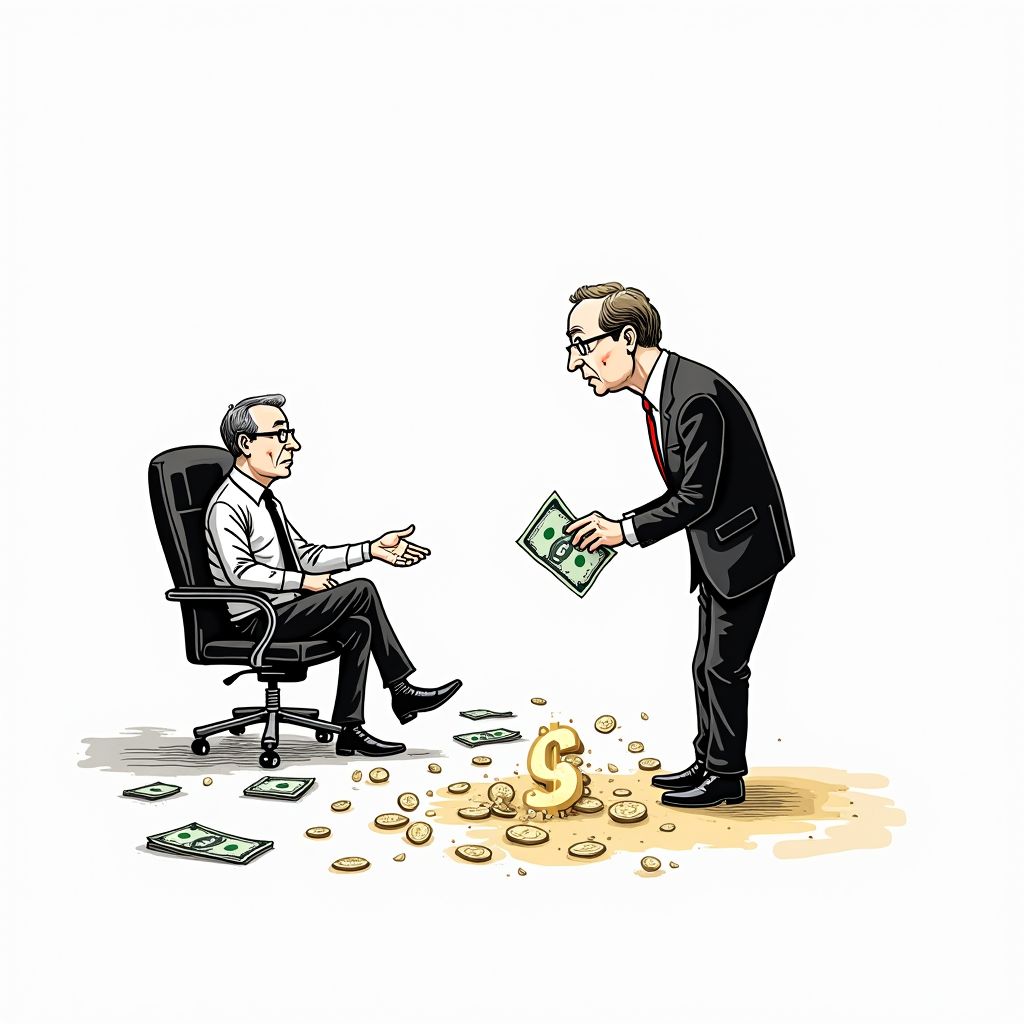
United States stock futures are retreating this Monday as a historic sell-off in gold and silver deepens, with silver plummeting significantly following a margin requirement hike by CME Group. The nomination of Kevin Warsh as Fed Chair has strengthened the dollar, unraveling the ‘debasement trade’ and triggering widespread volatility that is now spilling over into technology stocks amid renewed AI skepticism.
Margin Hikes and Metal Meltdowns
The bleeding in the precious metals market intensified Monday morning, extending a rout that began late last week. Spot gold prices initially lost 5% on Monday, February 2, before paring losses to trade down 1.8% at $4,777 per ounce [2]. This decline follows a chaotic session on Friday, January 30, when the metal crashed nearly 10% [2]. Silver experienced even more extreme volatility, dropping more than 12% Monday morning before recovering slightly to $83.40 per ounce [2]. The sell-off is being compounded by regulatory intervention; the CME Group announced an increase in margin requirements effective after Monday’s market close [2]. Margins on COMEX gold futures are set to rise from 6% to 8%, a jump of 33.333 percent, while margins on 5,000-ounce silver futures will increase from 11% to 15%, representing a hike of 36.364 percent [2].
The ‘Warsh Effect’ Reshapes Policy Expectations
The primary catalyst for this abrupt market reversal is President Donald Trump’s nomination of former Federal Reserve Governor Kevin Warsh to succeed Chair Jerome Powell when his term ends in May 2026 [2][3]. Markets perceive Warsh as a hawkish figure who is likely to preserve central bank independence and support shrinking the Fed’s balance sheet [3]. This shift in leadership expectations has strengthened the U.S. dollar, which has gained about 0.8% since Thursday, January 29 [2]. According to José Torres, senior economist at Interactive Brokers, this has reignited the “Buy America” trade while unraveling the “debasement trade” that had previously pushed gold and silver to record highs [2]. Vishnu Varathan of Mizuho noted that Warsh’s stance eases fears of a weaker dollar, directly weighing on dollar-denominated commodities [3].
Tech Jitters and Broader Economic Impact
The volatility in commodities is spilling over into the broader equity markets, with U.S. stock futures sinking as doubts regarding the artificial intelligence trade re-emerge [1]. Technology stocks are currently leading the downward trend across the Nasdaq, Dow, and S&P 500 futures [1]. This institutional skepticism is mirrored by retail sentiment; recent discussions on Reddit have highlighted growing concerns that AI stocks are “significantly overvalued” and mostly speculative at current levels [4]. Beyond equities, energy markets are also reacting to geopolitical developments. WTI crude futures dropped about 4% on Monday following President Trump’s statements regarding a possible deal with Iran, which has temporarily eased geopolitical concerns [2].
Long-Term Fundamentals vs. Short-Term Correction
Despite the severity of the current correction, precious metals remain in positive territory for the year. Since the start of 2026, silver prices are up around 16% and gold prices are up about 8% [2]. However, analysts remain divided on the near-term outlook. Ole Hansen, head of commodity strategy at Saxo Bank, warned that silver’s heavy reliance on industrial demand—particularly within the solar sector—could become a liability as end users seek alternative materials to protect margins [3]. Conversely, Daniel Hynes, a senior commodities analyst at ANZ, argues that the fundamental drivers of haven buying, specifically the “unbending of the world order,” remain intact despite the risks associated with the new Fed leadership [3]. Forbes maintains a bullish case for bullion over a 12-month horizon, suggesting the metal could revisit highs if growth and inflation remain uneven [2].