Severe Fall Storm Threatens Coastal Infrastructure and Supply Chains Along the US East Coast
New York, Friday, 25 September 2026.
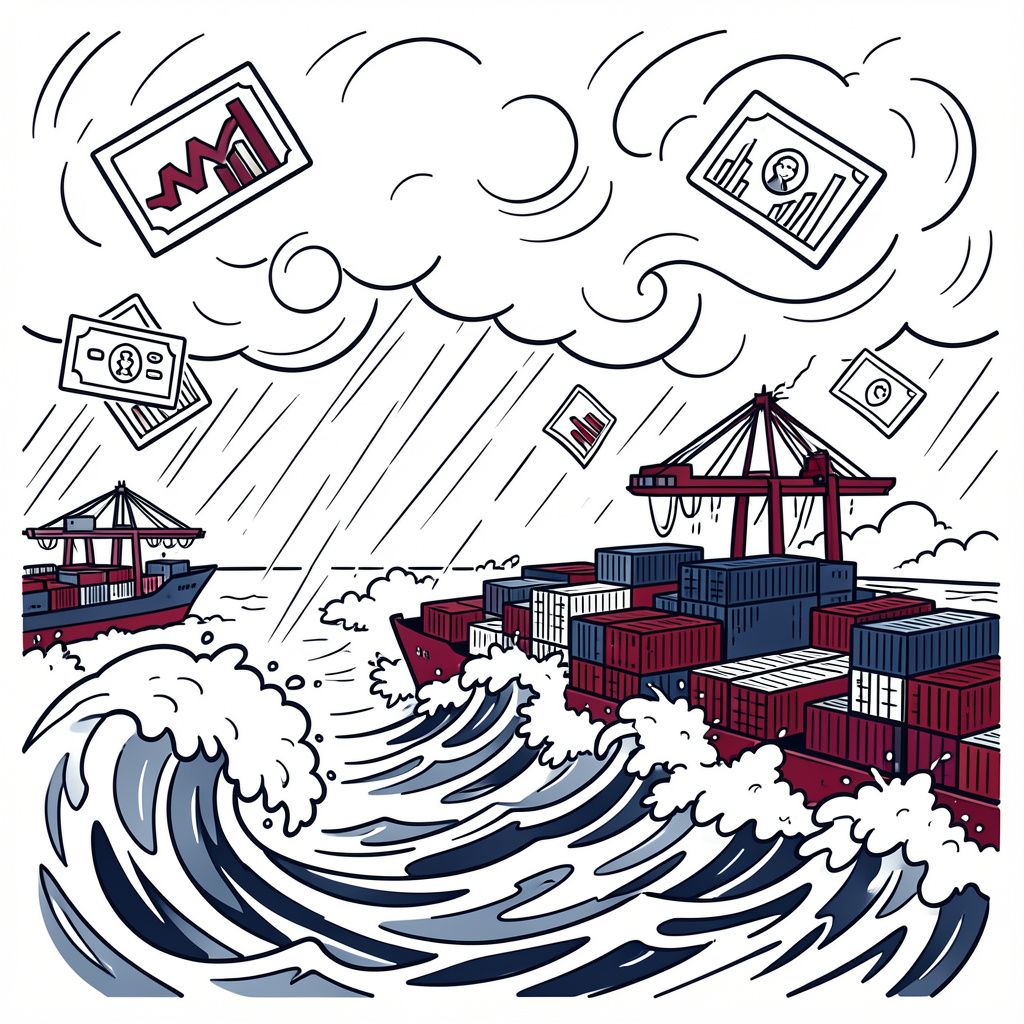
A severe September 2026 nor’easter brings 96.6 km/h wind gusts and flooding to the East Coast, creating major delays for critical supply chains and maritime hubs through the weekend.
Severe Fall Storm Threatens Coastal Infrastructure and Supply Chains Along the US East Coast
A severe early autumn nor’easter is currently battering the United States East Coast, bringing significant risks to infrastructure and supply chains as of Friday, 25 September 2026 [1]. Executive leaders and supply chain managers in affected corridors, including New York and New Jersey maritime hubs, are preparing for potential logistical delays and transport interruptions caused by the prolonged severe weather [1].
Meteorological Dynamics and Timeline
As of 24 September 2026, a coastal low-pressure system began forming offshore of the tri-state area and New England, creating a wind tunnel effect with a high-pressure ridge to the north [2]. The storm is moving north along the East Coast, bringing coastal flooding, high surf, wind, and rain from North Carolina to New England [1].
Infrastructure and Supply Chain Risks
Coastal flooding and gusty winds are already affecting parts of the mid-Atlantic as the powerful nor’easter continues up the East Coast into this weekend [1]. Coastal flood warnings are active for Virginia Beach, Dover, and Atlantic City, with significant flooding expected from the northern Outer Banks of North Carolina to the southern New Jersey shore [1].
Regional Variances and Forecast Uncertainty
Forecasted rainfall totals vary significantly due to model inconsistency; while many areas will remain largely dry, Long Island may receive up to 50.8 mm (2 inches) of rain [2]. The low-pressure system is not expected to be extremely intense at its peak on 26 September 2026 and 27 September 2026, resulting in dampened wind speeds compared to winter nor’easters [2].