Attorney General Bondi Defends DOJ Handling of Epstein Files in Contentious House Hearing
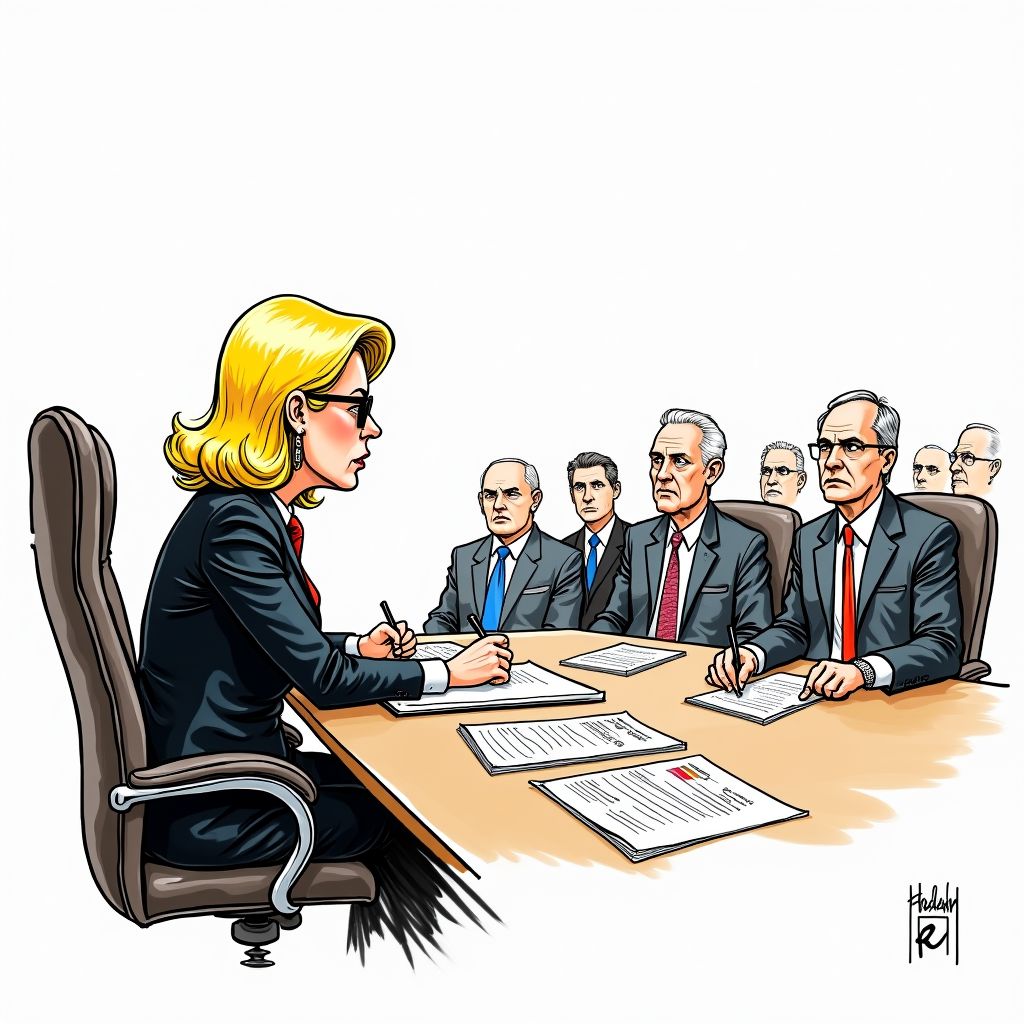
Washington D.C., Wednesday, 11 February 2026.
Attorney General Pam Bondi faced a volatile House Judiciary Committee on Wednesday, defending the Justice Department’s redaction of the Epstein files against accusations of a cover-up. In a hearing underscored by a grand jury’s recent refusal to indict Democratic lawmakers, the tension peaked when Representative Jamie Raskin accused Bondi of “coddling perpetrators” while Epstein survivors watched from the gallery.
From Investigation Findings to Administrative Oversight
While previous internal records indicated that the FBI found no evidence of a trafficking ring for elites [1], the scrutiny on Wednesday, February 11, 2026, centered on the administrative and political conduct of the Justice Department. The focus of the House Judiciary Committee has shifted from the content of the closed investigations to the methodology of recent disclosures. This hearing follows a turbulent week for the Department of Justice (DOJ); on February 8, 2026, the department sought charges against Democratic lawmakers regarding a video featuring senators urging adherence to military protocols [1]. However, in a significant legal setback for Attorney General Bondi, a grand jury in Washington declined to return an indictment on Tuesday, February 10, 2026 [1].
Political Weaponization and Legal Setbacks
The friction between the Attorney General and the committee members was palpable, exacerbated by accusations that the DOJ is prioritizing political targets over victim advocacy. Representative Jamie Raskin of Maryland characterized the department’s actions as “siding with the perpetrators” and ignoring victims, warning Bondi that this approach would define her legacy [1][4]. The atmosphere in the hearing room was further charged by the presence of Epstein survivors, who stood in the audience at the request of Representative Dan Goldman [2]. Goldman noted that despite the high profile of the case, the DOJ had not asked these survivors to provide testimony as of the hearing date [2]. Bondi addressed the survivors directly, offering an apology for what they endured, but dismissed Democratic calls for a specific apology regarding her department’s conduct as “theatrics” [4].
Partisan Clashes and Procedural Grievances
The testimony on Wednesday descended into personal and political confrontations that stalled substantive oversight. In a notable departure from standard protocol, Representative Jasmine Crockett refused to question the Attorney General, stating that Bondi valued “fealty to the president over loyalty to the constitution” [2]. Tensions escalated further when Representative Becca Balint stormed out of the chamber following a fiery exchange with Bondi involving references to antisemitism and the Holocaust [2]. Meanwhile, Bondi utilized time yielded by Republican members to display images of convicted criminals, attempting to pivot the narrative toward the department’s efforts in combating violent crime and upholding the rule of law [1][2].
The Mechanics of Disclosure and Redaction Controversies
Beyond the political theater, significant concerns were raised regarding the logistical handling of the Epstein files. Following the release of millions of additional disclosures on January 30, 2026, critics and victims alike labeled the redaction process as “sloppy and inconsistent” [4]. Reports indicate that inconsistent redactions led to the exposure of sensitive private information, including nude photos [1][4]. To facilitate oversight, the Justice Department provided lawmakers access to over 3 million released files, though this access was restricted to a reading room equipped with only four computers [1][4]. When pressed by Republican Representative Chip Roy regarding these redaction failures, Bondi asserted that any names of perpetrators that should not have been redacted would be unmasked retroactively, citing pending investigations as a complicating factor [2].