Fed Minutes Reveal Deep Division Over Future Interest Rate Path
Washington, Thursday, 19 February 2026.
Minutes from the January meeting reveal a sharp divide among Federal Reserve officials, with debates intensifying over potential rate hikes and the emerging economic impact of artificial intelligence.
Inflation Persistence Fuels Policy Discord
Following our recent analysis of January’s 2.4% inflation rate and stubborn service costs [https://wsnext.com/e30b43e-Inflation-Monetary-Policy/], the Federal Reserve’s newly released minutes provide critical insight into why the central bank has hit the brakes on monetary easing. The minutes from the January 27-28 meeting, released on Wednesday, February 18, reveal a committee grappling with significant internal divisions regarding the trajectory of the U.S. economy [1][5]. While the Federal Open Market Committee (FOMC) voted to maintain the benchmark interest rate in the 3.50% to 3.75% range, the decision was far from cohesive [2][5]. The minutes disclose that “several” participants explicitly raised the possibility that resuming rate hikes—rather than cuts—could become appropriate if inflation remains persistently above the Fed’s target [2][6]. This hawkish sentiment marks a sharp pivot from the easing cycle seen in late 2025, underscoring the “bumpy” path to stability highlighted in the latest Consumer Price Index report.
A House Divided: The Three Camps
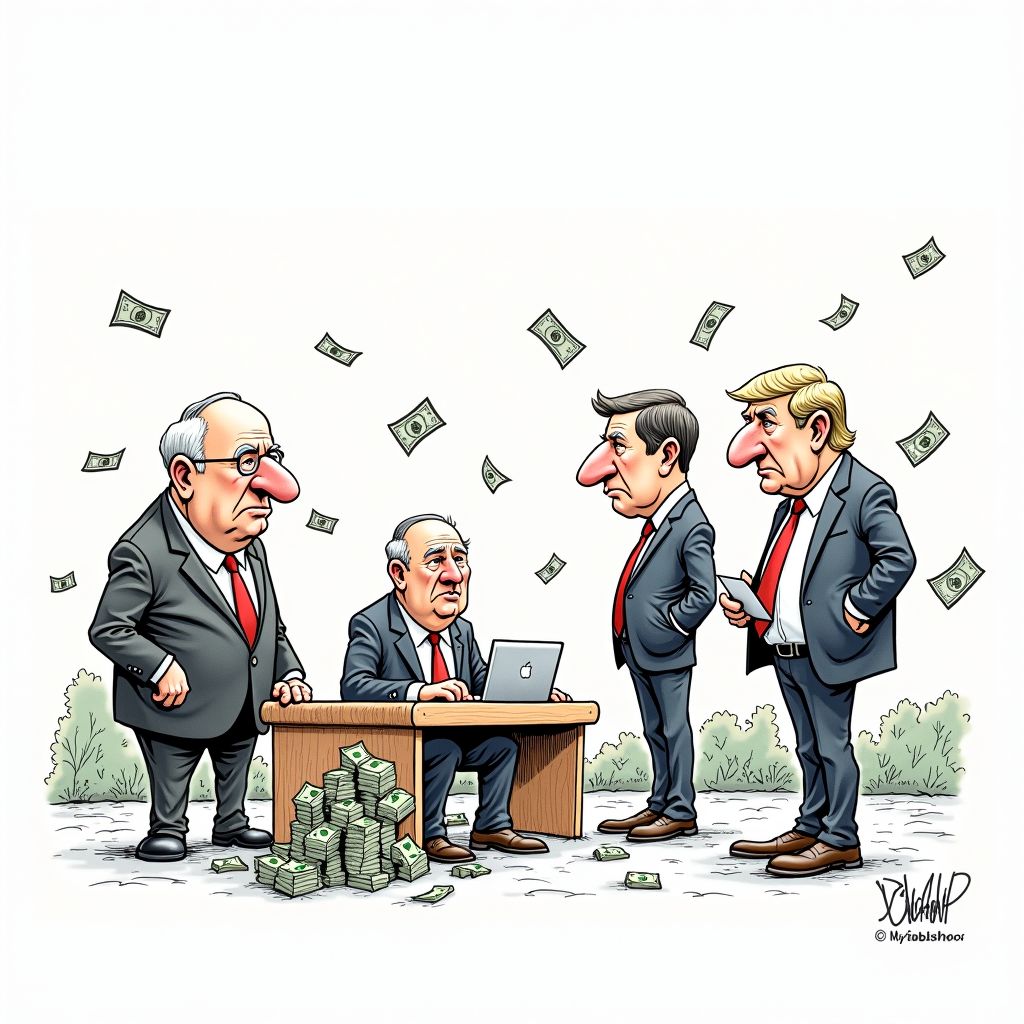
The consensus that defined the Fed’s actions last year has fractured into three distinct camps, complicating the outlook for 2026. On one side, the majority of officials opted to pause rate adjustments to assess incoming data, voting 10-2 in favor of the hold [6]. However, a vocal minority composed of Governors Christopher Waller and Stephen Miran dissented, advocating for an immediate 0.25% rate cut due to concerns that high rates might damage the labor market [1][7]. Conversely, a third group, including Dallas Fed President Lorie Logan and Cleveland Fed President Beth Hammack, signaled that the central bank should remain on hold indefinitely to ensure inflation is truly vanquished [1]. This discord reflects deep uncertainty: while some officials fear hindering economic growth, others are wary that premature easing could reignite price pressures [1][2].
Labor Market Resilience Shifts the Calculus
The shift toward a “wait-and-see” approach is largely driven by renewed confidence in the labor market’s stability. While earlier fears of a downturn prompted the Fed to cut rates by a cumulative 0.75% in late 2025 [1], recent data has alleviated those concerns. The minutes indicate that a “vast majority” of participants now judge that downside risks to employment have moderated [2][8]. This assessment is supported by January’s jobs report, which showed employers added 130,000 positions, while the unemployment rate dipped from 4.4% to 4.3% [7]. Fed Governor Michael Barr noted that these figures suggest the labor market is “stabilizing,” reducing the immediate urgency to cut rates to protect jobs [7]. Consequently, the committee’s focus has swung back toward the risks of entrenched inflation rather than imminent recession [2].
The AI Wildcard and Leadership Transition
In a notable development, the minutes reveal that policymakers are beginning to factor the structural impact of artificial intelligence into their economic models. Several participants discussed the potential for AI-driven productivity growth to exert downward pressure on inflation by increasing supply capacity [5][8]. This emerging variable adds another layer of complexity as the Fed prepares for a significant leadership transition. Chair Jerome Powell’s term is set to conclude in May, with President Donald Trump nominating Kevin Warsh as his successor [1][5]. Warsh has reportedly favored lower rates, a stance aligned with the dissenters Waller and Miran [1]. However, with markets not pricing in the next potential cut until June [4], the incoming chair will face the difficult task of building consensus within a fractured committee while navigating the crosscurrents of technological change and sticky inflation [5].
Sources
- www.cnbc.com
- tradingeconomics.com
- www.barrons.com
- www.theglobeandmail.com
- www.reuters.com
- www.nytimes.com
- www.bnnbloomberg.ca
- www.axios.com