Lawmakers Exclude Veterans Affairs Secretary From Major Policy Talks Following Stalled Reform Bill
Washington, Friday, 14 August 2026.
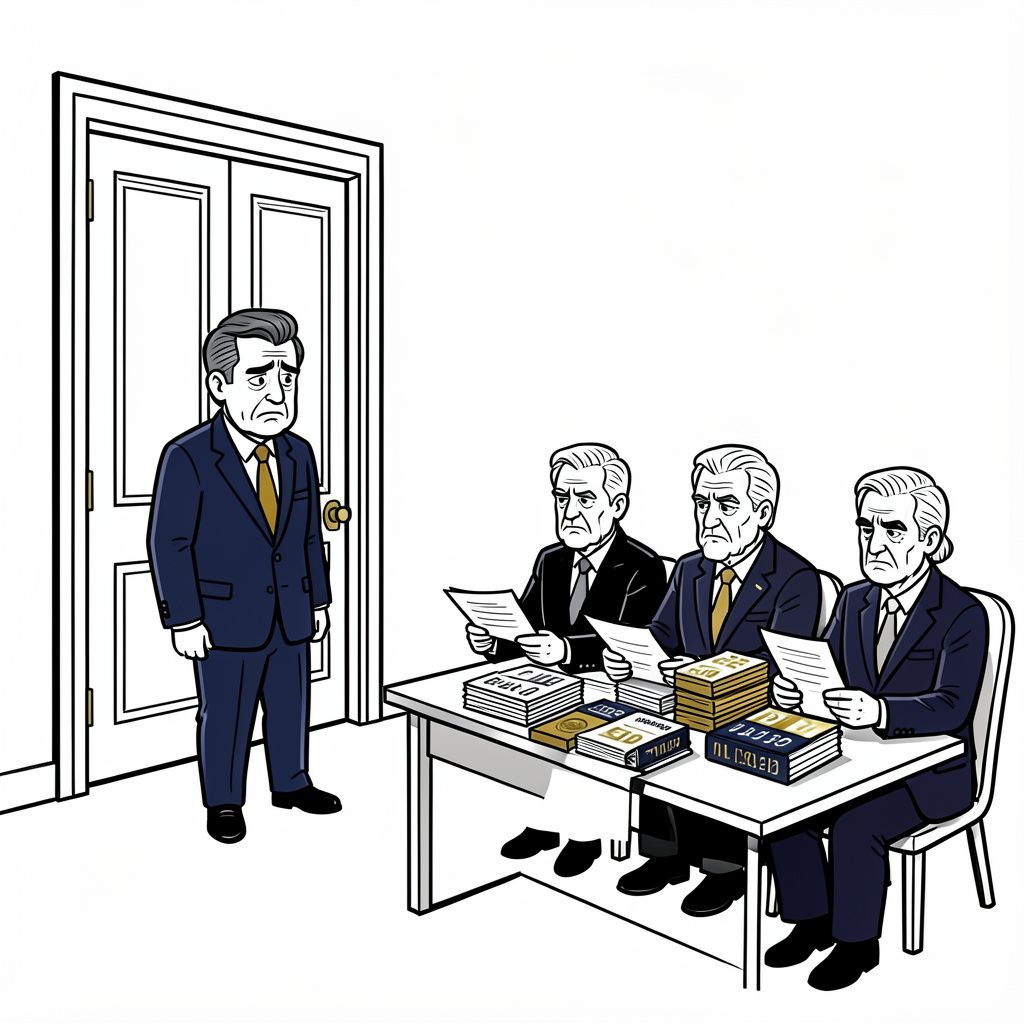
Tensions between Capitol Hill and Veterans Affairs Secretary Doug Collins reached a boiling point after lawmakers abruptly sidelined him from key legislative negotiations. The fallout follows the mid-July 2026 withdrawal of the ‘Take Care of America’s Veterans Act,’ a major proposal impacting 9 million veterans. While the bill aimed to expand private healthcare access and spousal benefits, it proposed controversial spending offsets, including reduced disability payments for conditions like sleep apnea and tinnitus. Collins initially supported the measure but subsequently expressed private reservations to individual members of Congress, frustrating House Republicans and prompting his exclusion from ongoing talks.
Legislative Exclusion and Trust Erosion
Veterans Affairs Secretary Doug Collins has been excluded from critical negotiations regarding major veterans legislation by White House officials and congressional leaders [1][3]. This development marks a significant escalation in political friction within the executive leadership and legislative committees as of August 2026 [2]. The rift emerged approximately one month after House Republicans failed to pass a veterans health bill, leading lawmakers to meet behind closed doors without the VA Secretary’s input [1]. Sources indicate that the exclusion stems from a loss of trust following Collins’ handling of the stalled proposal, with some Republicans expressing anger levels described as off the charts [2][3].
The Veterans Act and Benefit Controversies
The stalled legislation, known as the ‘Take Care of America’s Veterans Act,’ aims to expand benefits for approximately 9 million enrolled veterans and their families [2]. While the bill proposes expanding private health care access and reducing treatment wait times, it includes controversial provisions to reduce future disability payments for veterans with tinnitus or sleep apnea [2][3]. These reductions are intended to fund concurrent receipt of retirement benefits and combat-related injury compensation [2]. The proposal is supported by organizations such as The American Legion but faces opposition from Democrats and groups including Veterans of Foreign Wars [2]. Collins initially signaled support for the bill but later voiced private concerns to lawmakers, contributing to the measure’s removal from the legislative schedule by mid-July 2026 [2][3].
Administration Response and Internal Dynamics
Despite the exclusion, the Trump administration maintains official support for the bill, with VA spokesman Quinn Slaven stating that the department believes the legislation contains many priorities of the administration [3]. White House spokeswoman Olivia Wales commented that the Secretary is doing a great job and works tirelessly to deliver for veterans, even as scrutiny increases regarding his travel and implementation of VA priorities [3]. However, sources familiar with the situation suggest that Collins’ influence within the administration has diminished following the conflict over the bill [2]. A photo opportunity at Camp David on July 31, 2026, showed Collins alongside President Trump, yet behind-the-scenes dynamics suggest a strained relationship with Capitol Hill [1].
Future Implications for Veterans and Contractors
The ongoing political standoff could delay policy implementation and affect private defense contractors and healthcare vendors reliant on federal VA procurement contracts [1]. President Trump is unlikely to dismiss Collins before the midterm elections in November 2026, leaving the Secretary’s tenure indeterminate beyond that timeline [2][3]. The delay in passing the 31 day period since the bill’s withdrawal highlights the complexity of aligning executive and legislative priorities for veteran care [1]. Stakeholders continue to monitor the situation as negotiations proceed without the direct involvement of the VA Secretary [3].