Congress Negotiates Multi-Billion Dollar Expansion of Federal Farm Aid
Washington D.C., Saturday, 17 January 2026.
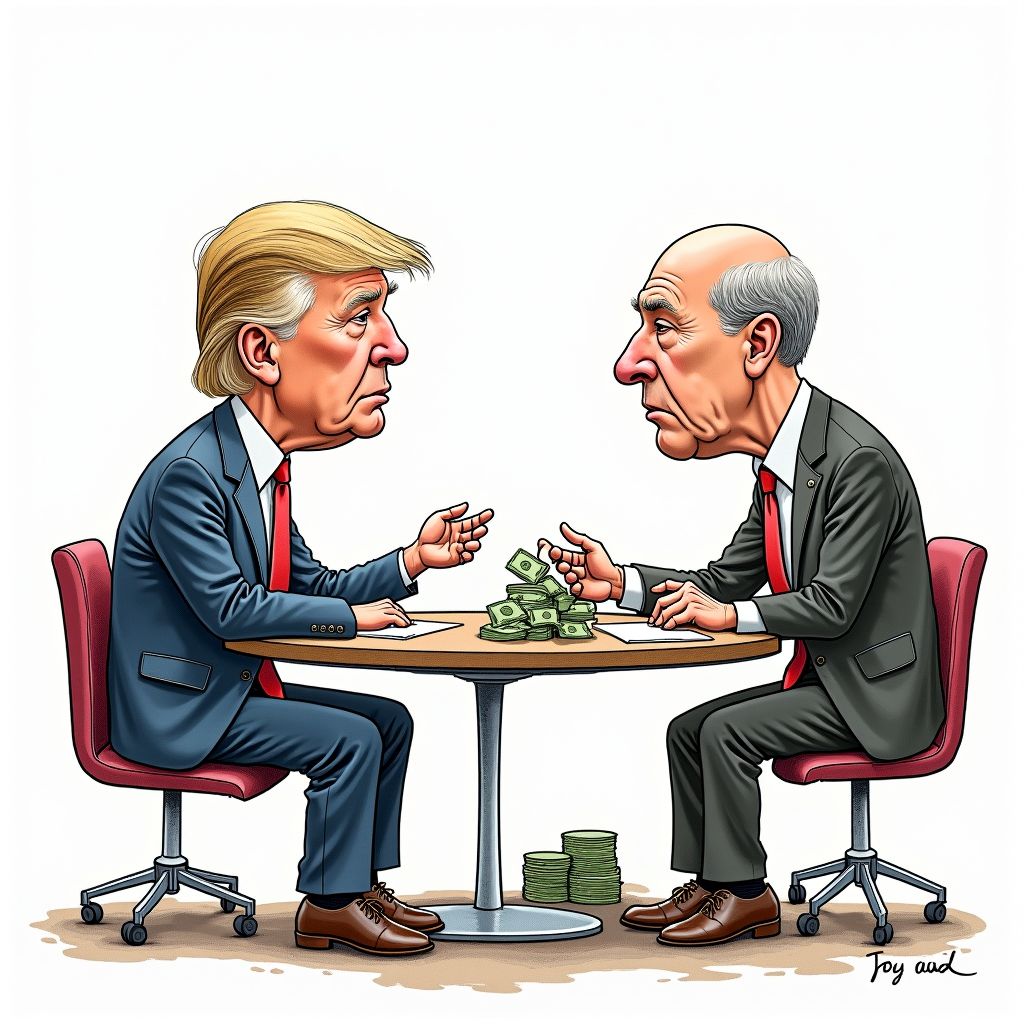
Congressional leaders propose up to $17 billion in new agricultural relief, a move that would more than double current federal support to address market instability and specialty crop losses.
From Trade Tariffs to Direct Injections
While legislative attention earlier this month focused on international trade disputes—specifically the bipartisan push to combat India’s retaliatory 30% tariff on American crops—the fiscal conversation in Washington has shifted rapidly toward massive domestic capital infusions. As of Saturday, January 17, 2026, congressional leaders are negotiating a supplemental aid package that could see total federal support for the agricultural sector rise to 29 billion [1][2]. Following a meeting on January 13 among key Republican figures, including Senators John Boozman and John Hoeven, and Representative Glenn “GT” Thompson, the GOP is moving to attach approximately $15 billion in new relief to imminent appropriation bills [2][3]. This Republican initiative aims to bolster the sector before the end of the month [2].
Bipartisan Push for Expanded Relief
Parallel to the Republican efforts, House Democrats, led by Representative Angie Craig (D-Minn.), unveiled “The Farm and Family Relief Act” on January 15, proposing an even larger expansion of $17 billion [1][7]. This legislative push seeks to address gaps in the Trump administration’s existing Farmer Bridge Assistance (FBA) Program, which allocated $12 billion to the sector in December 2025 [4][5]. Representative Craig stated that the Democratic package aims to cover up to 65% of farmer losses from the past year, targeting producers she claims were “left behind” by the initial FBA rollout, including foresters and sugar beet growers [1][2]. The urgency is bipartisan; Representative Thompson expressed a pragmatic stance on the funding vehicle, noting, “I’m sort of agnostic whether this additional support comes through the administration or legislation… I just believe we need more” [1].
Addressing the Specialty Crop Deficit
A primary driver for this new wave of funding is the structural imbalance in the current FBA program. Of the $12 billion initially allocated, $11 billion was designated for row crop farmers, leaving only $1 billion for specialty crops, fruit, vegetable, and sugar growers [2][4]. However, the American Farm Bureau Federation (AFBF) reported earlier in January that losses for specialty crops—including almonds, apples, blueberries, lettuce, potatoes, and strawberries—exceed $7 billion [1][2]. This discrepancy means the current allocation covers less than 14.286 percent of the estimated damages in the specialty sector. Senator Boozman highlighted the universal nature of the downturn at the AFBF annual meeting, remarking, “If you’re growing something in the ground, it really doesn’t matter what you’re growing — you’re losing money” [1].
FBA Payment Structures and Fiscal Timelines
While negotiations for the additional $15 to $17 billion continue, the USDA has finalized the payment rates for the initial $11 billion FBA tranche. As announced on December 31, 2025, payment rates vary significantly by commodity, with rice producers set to receive the highest rate at $132.89 per acre, followed by cotton at $117.35 per acre [5][8]. Major row crops are set at lower tiers, with corn receiving $44.36 per acre and soybeans $30.88 per acre [5][8]. These payments are based on 2025 planted acres reported by December 19, 2025 [4][8]. The USDA projects that Texas will receive the highest aggregate funding at approximately $1.1 billion, while California is expected to see the highest weighted average per-acre payment at $81, largely pending the distribution of the remaining specialty crop funds [4][5].
Critical Deadlines Approaching
The timeline for both the new legislation and existing disbursements is tight. Senator Boozman indicated that negotiators hope to finalize the supplemental aid plan “fairly shortly,” as it must be integrated into the broader federal funding package before the January 30, 2026 deadline [3][7]. Meanwhile, farmers awaiting the initial round of FBA support can expect liquidity soon; the USDA confirmed in early January that the $12 billion in promised funds would be disbursed no later than February 28, 2026 [6]. With prefilled applications expected to be available the week of February 23, the coming weeks represent a critical window for stabilizing the agricultural economy [4].
Sources
- www.northernag.net
- www.dtnpf.com
- www.agriculture.com
- www.terrainag.com
- www.northernag.net
- www.uaex.uada.edu
- farmpolicynews.illinois.edu
- www.gfb.org