Los Angeles Property Owners Shift to Drought-Resistant Mediterranean Landscaping
Los Angeles, Sunday, 23 August 2026.
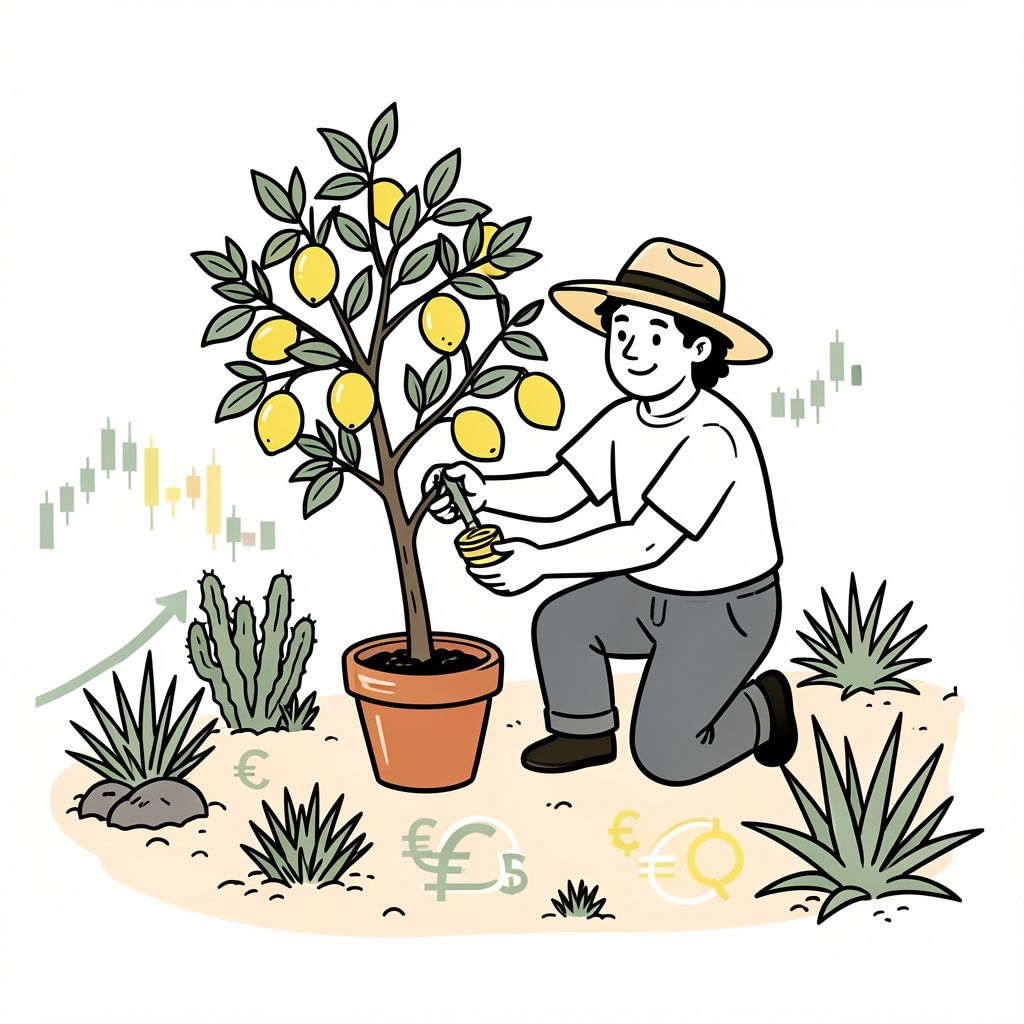
Driven by extreme heat and persistent water restrictions, Los Angeles property owners are adopting drought-resistant Mediterranean landscaping, sparking a remarkable 600% surge in container-grown lemon tree sales.
Celebrity-Driven Market Shifts in Landscaping
High-profile property adaptations, such as actress Penélope Cruz’s former Hollywood Hills residence, are serving as blueprints for climate-resilient property development in August 2026 [1][2]. While Cruz resided in the Spanish-style home from 2005 to 2011, the property’s Mediterranean-style drought-tolerant landscaping has gained renewed attention as a model for sustainability during extreme heat conditions [2]. Horticultural trends indicate a significant shift in consumer behavior, with container gardening sales for lemon trees increasing by over 600% as homeowners prioritize sensory-rich, water-efficient patio cultures [1]. This surge reflects a broader commercial and residential transition toward xeriscaping and Mediterranean flora across drought-prone economic corridors [1][3].
Design recommendations for these climate-resilient spaces emphasize using terracotta and volcanic ash planters to retain soil moisture while employing ergonomic tools for maintenance [1]. Horticulturist Peter McDermott notes that many species native to sunny Mediterranean regions adapt remarkably well to hot conditions once rooted [1]. These resilient varieties demand significantly less irrigation while infusing outdoor spaces with aesthetic appeal, aligning with the growing demand for vacation-like charm in residential properties [2]. The aesthetic relies on pairing living foliage, such as the Bird of Paradise, with natural hardscaping materials to aid soil moisture retention [2].
Municipal Intervention and LEAP Program
In response to persistent water restrictions, the Los Angeles Department of Water and Power (LADWP) launched the Landscape Efficiency Assistance Program (LEAP) in August 2025 [5]. As of 2026-08-20, approximately 20 LEAP projects are complete, with nearly 130 applications approved and in progress, representing a completion rate of 15.385 percent of approved applications [5]. The program targets single-family residences in disadvantaged communities, aiming to transform an estimated 700 total lawns by the conclusion date of 2026-12-31 [5]. Eligibility requirements include ownership or written permission from the property owner and a front yard area between 46.45 and 278.71 square meters of green grass [5].
To support this transition, LADWP is partnering with the Metropolitan Water District of Southern California to promote sustainable landscaping through training classes [4]. Upcoming workshops include ‘Rain to Roots: Water for Your Garden’ on August 25, 2026, and ‘Irrigation & Controller Basics’ on August 26, 2026 [4]. Participants must commit to maintaining the new landscape for a minimum of five years to ensure community impact and water conservation [5]. LADWP Manager of Water Conservation Policy Sarah Viramontes stated the goal is to help people see the beauty of this landscape as something they desire rather than something they should do to preserve water [5].
Long-Term Economic Resilience
This transition highlights a burgeoning market for sustainable real estate investments and water conservation technologies across Los Angeles [1]. The application process for government incentives requires submission via the LADWP online portal, including photos of the lawn and irrigation valves, followed by an on-site assessment [5]. As the program launched, it was a challenge to get people to see this as a benefit because people are familiar with grass lawns [5]. However, participants like Susanne Hall report positive ecological outcomes, noting that wildlife is finding its way to their yards following transformation [5].
LADWP will accept applications until the fall of 2026, with the overall program concluding when funding is exhausted or on the scheduled end date [5]. These individual decisions affect the community by reducing overall water demand during extreme heat conditions [5]. The integration of smart water monitoring device installation and template-based landscape design further supports the economic viability of these projects [5]. Ultimately, the shift toward Mediterranean landscaping represents a strategic adaptation to climate resilience in urban planning [3][5].