Jack Smith Defends Investigations and Warns of Eroding Rule of Law
Washington D.C., Thursday, 22 January 2026.
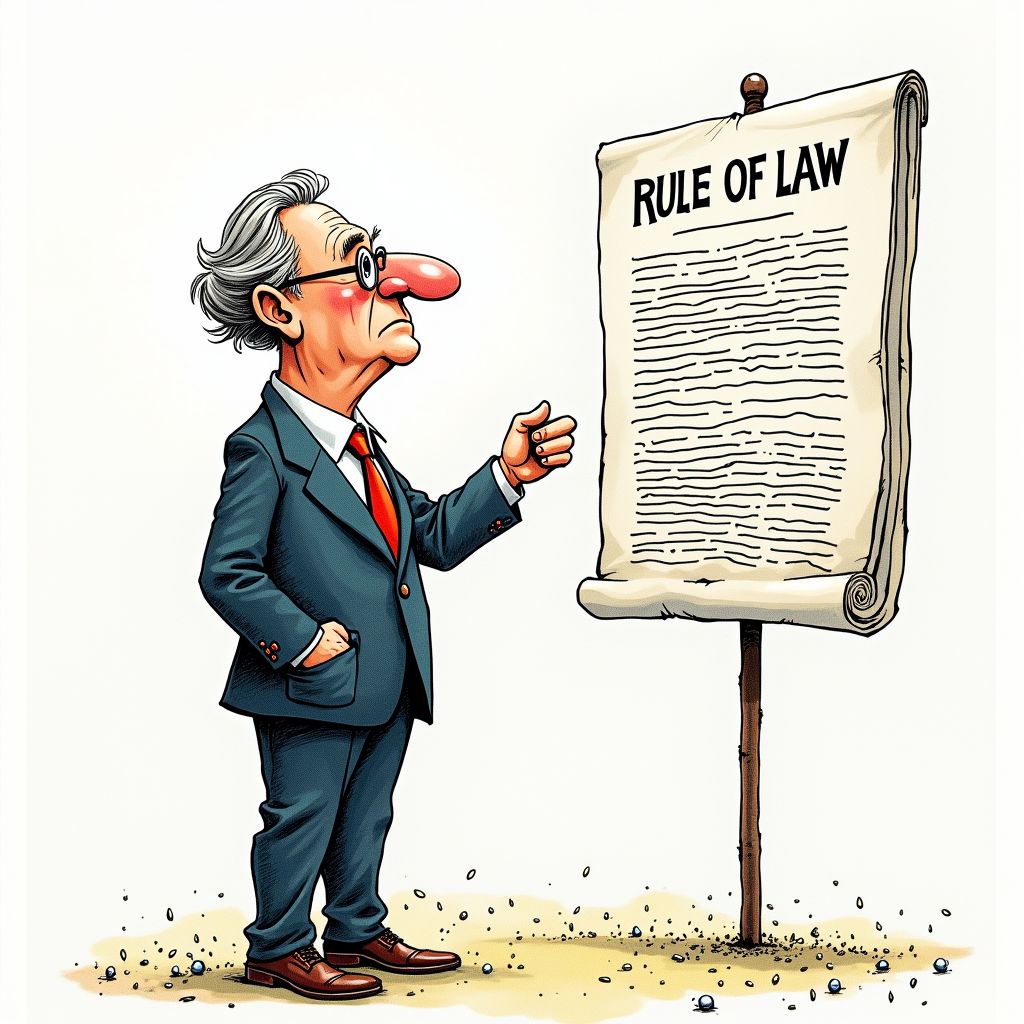
Smith asserted he possessed proof beyond a reasonable doubt of President Trump’s criminal activity, warning the committee that the nation must not take the rule of law for granted.
Partisan Divide on Capitol Hill
The hearing on Thursday, January 22, 2026, underscored the deep political fissures remaining in Washington following the 2024 election. House Judiciary Committee Chairman Jim Jordan, a Republican from Ohio, aggressively confronted the former special counsel, asserting directly to Smith that the investigation “was always about politics” [1][2]. Jordan framed the proceedings as necessary oversight into what he characterized as a politically motivated attempt to derail Donald Trump’s candidacy [8]. In contrast, Smith staunchly defended the independence of his work, testifying that his decisions were guided strictly by the facts and the law, and maintaining that he would prosecute a former President on the same facts regardless of their political affiliation [2][8].
Constitutional Debates and Criminal Charges
A central point of contention during the testimony involved the intersection of free speech and criminal intent. Smith rebutted arguments that the former President’s actions were protected political speech, clarifying that the First Amendment does not shield speech used to facilitate a crime, specifically a fraud [2]. He told the committee that his office had developed “proof beyond a reasonable doubt” that President Trump engaged in a criminal scheme to overturn the results of the 2020 election [3][4]. Smith emphasized that the evidence identified Trump as “the most culpable and most responsible person” in the conspiracy, arguing that the crimes were committed specifically for the President’s benefit [8].
Systemic Warnings and Legal Outcomes
Beyond the specific charges, Smith utilized his testimony to issue a broader warning regarding the stability of American democratic institutions. He expressed a fear that citizens have watched the rule of law function for so long that they have come to take it for granted, cautioning that he has seen how quickly it can erode [3]. This sentiment was echoed by Rep. Jamie Raskin, the panel’s top Democrat, who stated that for his party, the focus remains “all about the rule of law” [8]. Smith reminded the committee of the physical toll of the January 6 riot, urging Americans to “never forget” that 140 law enforcement officers were injured during the event [3].
Procedural Disputes and Retribution Concerns
The hearing also addressed specific procedural grievances raised by Republican members, particularly regarding the subpoenaing of phone records. When questioned about obtaining “toll records” for members of Congress, Smith testified that he did not select the specific members whose data was sought, explicitly stating, “President Trump did” [4]. The committee further examined Smith’s previous closed-door testimony from December 2025, highlighting his characterization of witness Cassidy Hutchinson as a “second- or even third-hand witness” [4]. Amidst these technical debates, Rep. Jared Moskowitz expressed concern over potential political fallout, stating he is “eyes wide open” to the possibility that the President may seek retribution against those involved in the investigations [4].
Sources
- www.youtube.com
- www.bbc.com
- www.nbcnews.com
- www.pbs.org
- www.youtube.com
- www.nytimes.com
- www.ms.now
- www.wbaltv.com