US Treasury Clashes With Financial Times Over Federal Reserve Independence Claims
Washington, D.C., Sunday, 29 March 2026.
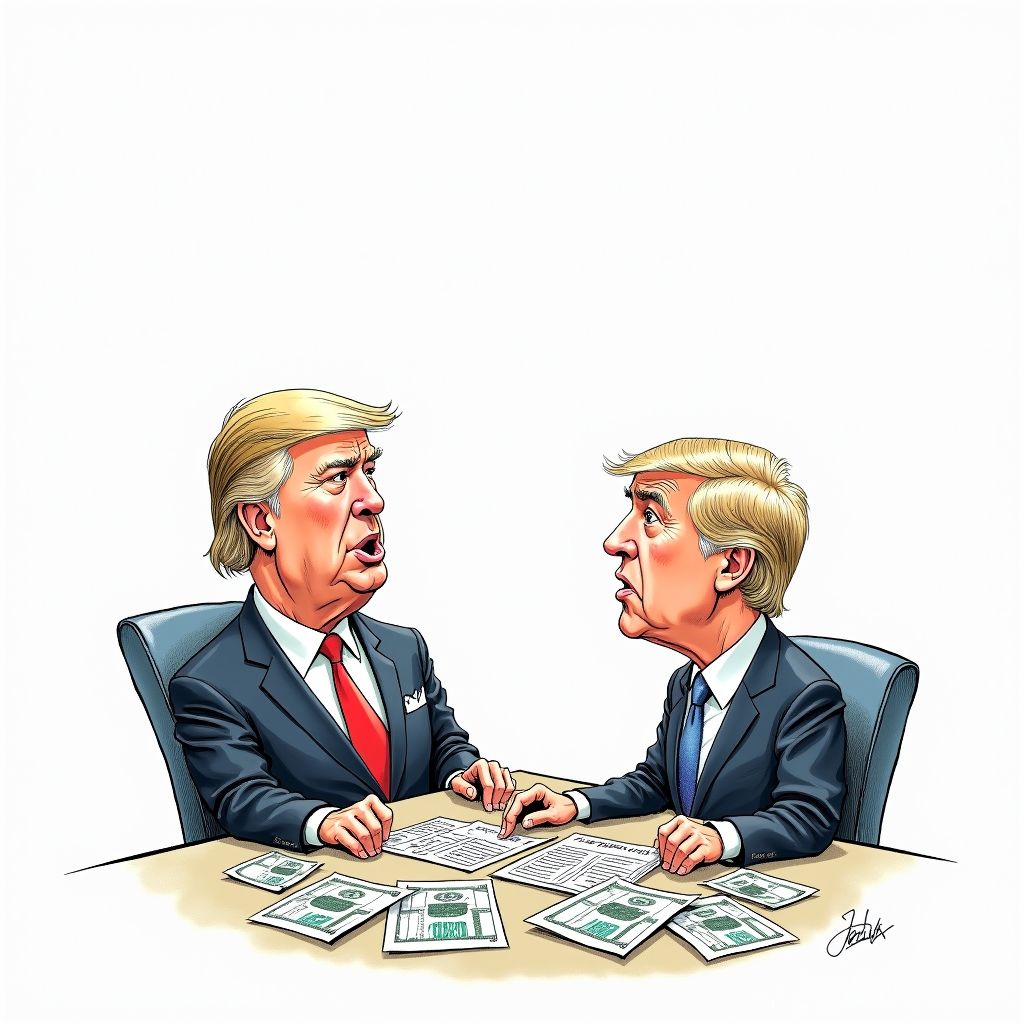
Treasury Secretary Scott Bessent accused the Financial Times of manufacturing an “entirely fake” policy position regarding Federal Reserve oversight, igniting fresh concerns over central bank independence and market stability.
A Dispute Over Institutional Boundaries
On Thursday, March 26, 2026, the Financial Times published a report asserting that United States Treasury Secretary Scott Bessent had engaged in discussions about increasing the Treasury’s oversight of the Federal Reserve [1][2][5]. The publication alleged that Bessent was considering adopting elements of the Bank of England’s governance model, a move that would fundamentally alter the historically independent relationship between the US central bank and the federal government [2]. In a rapid escalation the following day, March 27, 2026, the US Treasury Department formally demanded a retraction of the story [1]. Treasury officials cited the United Kingdom’s Independent Press Standards Organization (Ipso) code, accusing the publication of distributing “misleading or distorted information,” and escalated the complaint directly to Nikkei Inc., the parent company of the Financial Times [1]. Notably, the Financial Times is not a member of the Ipso regulatory body [1].
The Core of the Contested Policy
At the heart of the dispute is the delicate balance of central bank independence and the specific commentary Bessent provided to the publication [1][2]. According to the Financial Times, Bessent had previously argued that the Federal Reserve should be reformed while retaining its monetary policy independence, criticizing its massive quantitative easing bond-buying programs as a “gain-of-function monetary policy experiment” in a comprehensive 6,000-word article for The International Economy magazine [2]. However, his direct quotes to the Financial Times regarding the Bank of England focused specifically on their operational mechanics during crises, rather than direct government oversight [4]. Bessent noted to the publication that it was “admirable how the Bank of England conducts large-scale asset purchases during financial crises and other times of systemic stress, and how they stop their interventions after smooth market functioning has been restored” [4].
Broader Tensions Between the Administration and the Fed
This clash over monetary policy independence does not exist in a vacuum; it is the latest pressure point in a historically fraught relationship between the current Republican Party leadership and the central bank [1][GPT]. Investors and economists are increasingly concerned about the preservation of the Federal Reserve’s political independence, fearing that aggressive, politically motivated interest rate cuts could trigger rapid inflation if the central bank yields to executive pressure [1]. These anxieties are deeply compounded by past actions from Donald Trump, who had previously threatened to fire Federal Reserve Chair Jerome Powell for failing to reduce borrowing costs to the administration’s liking [1].