ESPN Weighs Record Costs as Historic NFL Broadcast Partnership Nears Collapse
Bristol, Tuesday, 10 November 2026.
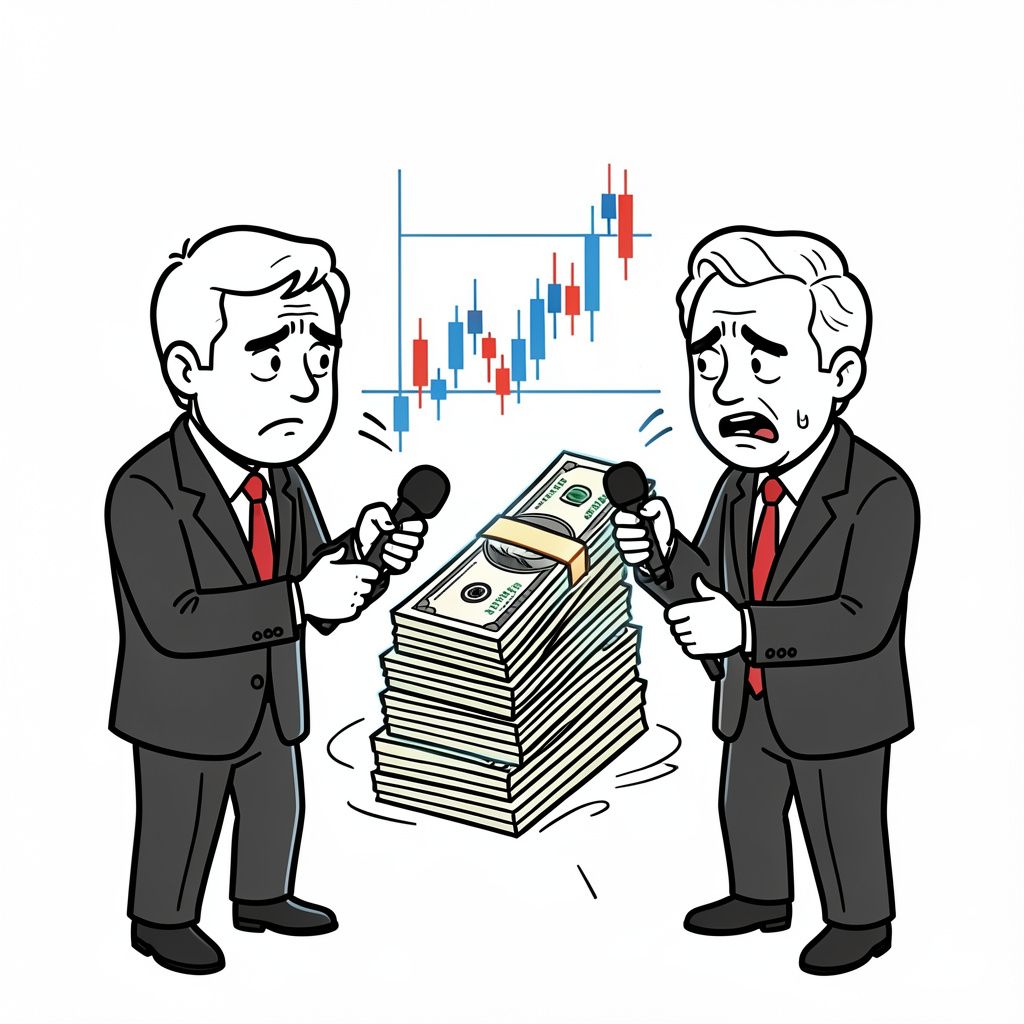
A multimillion-dollar contract dispute threatens ESPN’s premier football broadcast booth, as salary tensions between longtime partners expose the network’s growing pressure to rein in soaring talent expenses.
The Breaking Point: A Partnership Built Over Decades Faces Uncertain Future
The partnership between Joe Buck and Troy Aikman, the longest-running broadcast duo in NFL history with 25 years of collaboration, stands at a precipice as of November 2026 [2]. Their impending separation threatens to disrupt ESPN’s flagship Monday Night Football (MNF) coverage, a cornerstone of the network’s sports broadcasting empire [1]. The tension escalated publicly after a heated argument in the broadcast booth on 12 October 2026, prior to calling the Los Angeles Rams vs. Buffalo Bills game [1]. The dispute has since intensified, with ESPN executives reportedly attempting to portray Aikman as the primary disruptor in the partnership’s collapse [1][5].
Financial Fault Lines: Contract Disputes and Escalating Salaries
The financial underpinnings of this crisis are rooted in stark discrepancies in contract negotiations. Joe Buck re-signed with ESPN prior to the 2026 NFL season, increasing his annual salary from approximately $15 million to over $20 million [1]. In contrast, Troy Aikman, whose current contract pays him $18 million annually, has been seeking a raise to around $30 million per year—nearly double his current compensation [1]. Buck’s six-year, $108 million contract extension, finalized in September 2026, further underscored the imbalance, leaving Aikman’s future with ESPN in limbo [5]. Aikman’s contract is set to expire on 14 February 2027—the date of Super Bowl LXI at SoFi Stadium in Los Angeles—adding urgency to the standoff [1][5].
ESPN’s High-Stakes Gamble: Balancing Talent Costs and Broadcast Dominance
ESPN’s investment in Buck and Aikman exemplifies the network’s broader strategy to anchor live sports coverage amid declining linear television viewership. The network paid $1.7 billion in 2026 alone to expand its college football postseason, reflecting its commitment to securing premium sports content despite ballooning production costs [1]. However, the Buck-Aikman dispute highlights the financial strain of such high-profile contracts. ESPN’s refusal to publicly discuss talent contracts before the Super Bowl suggests an attempt to control the narrative while managing internal fallout [5]. Analysts, including former ESPN star Linda Cohn, have criticized the network’s handling of the situation, questioning whether a contract alone could resolve the underlying tensions [1].
Public Backlash and Industry Fallout: A Narrative Spiral
The fallout has extended beyond ESPN’s internal dynamics, sparking widespread fan and media backlash. Ryan Clark, a former ESPN NFL analyst, publicly accused the network of targeting Aikman to create a negative narrative around his departure, framing it as a strategic maneuver to preserve Buck’s position [1][5]. Clark’s comments on The Pivot podcast and other platforms underscored the perception of ESPN’s tactics as divisive, with phrases like ‘trying to make Troy Aikman look like the bastard son’ amplifying the controversy [1][5]. The narrative has since been echoed by fans and commentators alike, with many questioning whether the partnership’s dissolution is more about business than talent [1][5].
The Road Ahead: Super Bowl Deadline Looms
As of 10 November 2026, Aikman and Buck remain contractually obligated to call Super Bowl LXI together, though their future as a duo is increasingly uncertain [1][2][5]. The Super Bowl, scheduled for 14 February 2027, serves as a critical deadline for ESPN’s decision-making. Whether the network can reconcile its financial constraints with its commitment to high-profile talent will determine the fate of one of sports broadcasting’s most iconic partnerships. For now, the industry watches as ESPN navigates a high-stakes negotiation that could redefine the economics of live sports media [1][2][5].
Sources
- www.usatoday.com
- neilpaine.substack.com
- www.profootballnetwork.com
- timesofindia.indiatimes.com
- www.youtube.com
- www.youtube.com