Former President Clinton Denies Knowledge of Epstein Crimes in Historic Deposition
Washington D.C., Friday, 27 February 2026.
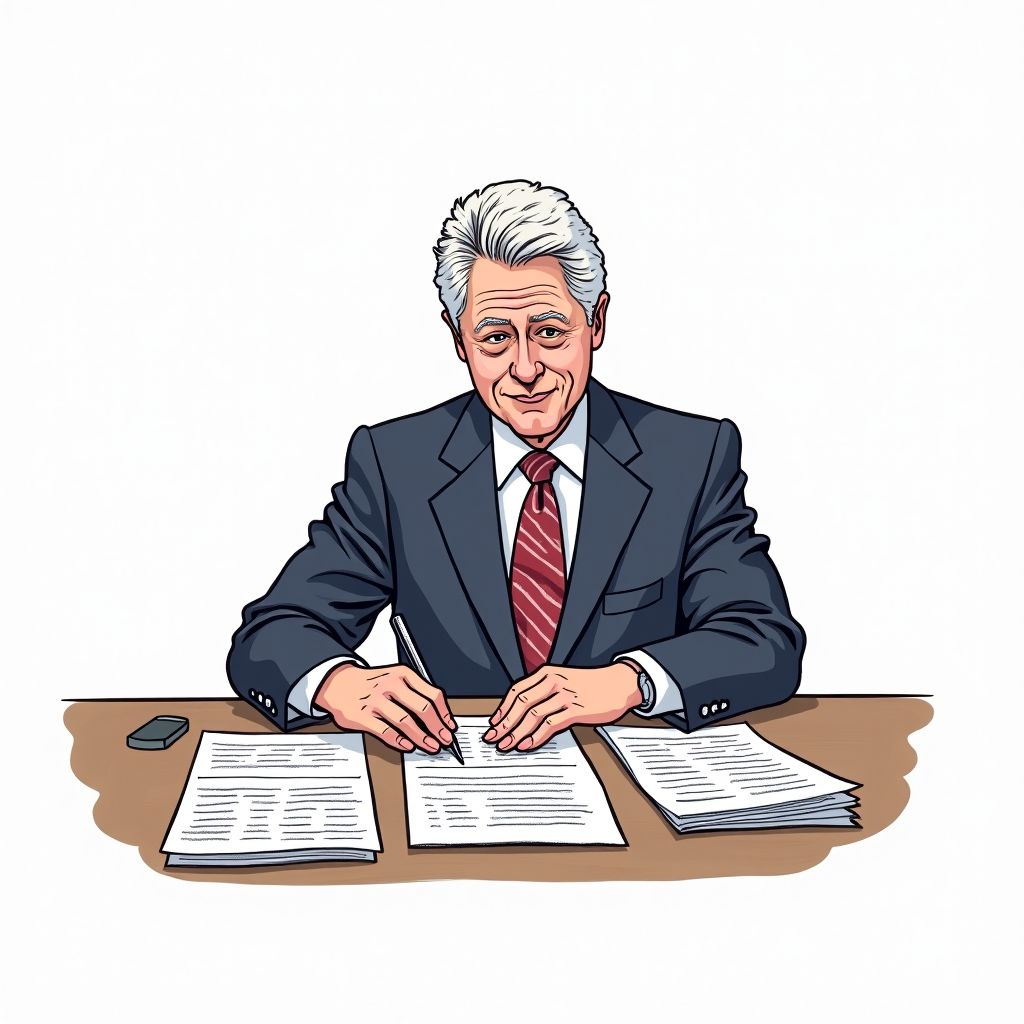
In a precedent-setting event marking the first time a former president has been compelled to testify before Congress, Bill Clinton appeared before the House Oversight Committee regarding his ties to Jeffrey Epstein. During the closed-door deposition in Chappaqua, New York, Clinton firmly denied knowledge of Epstein’s illicit activities, stating he “saw nothing” and “did nothing wrong” despite acknowledging past travel on Epstein’s aircraft. This testimony follows Hillary Clinton’s appearance, where she characterized the inquiry as “partisan political theater” intended to distract from other issues. While Committee Chair James Comer frames the investigation as a necessary pursuit of truth, Democrats are countering with demands for Donald Trump’s testimony regarding his own missing files, significantly escalating the political stakes surrounding the inquiry.
Scrutiny of Historical Connections
During the deposition held on Friday, February 27, Bill Clinton maintained a steadfast denial regarding any awareness of Jeffrey Epstein’s criminal behavior, asserting that he “had no idea of the crimes Epstein was committing” and would have “turned him in myself” had he known [1][3]. While the former president acknowledged in a sworn declaration that he had utilized Epstein’s private plane for Clinton Foundation work between 2002 and 2003, he insisted that he had not contacted the financier for over a decade prior to Epstein’s 2019 arrest and denied ever visiting Epstein’s private island [3]. However, Republican Committee Chair James Comer challenged this narrative by highlighting flight logs indicating Clinton flew on Epstein’s aircraft at least 27 times, alongside records showing Epstein visited the White House on no fewer than 17 occasions during Clinton’s presidency [1]. Comer, who noted it took seven months to secure the Clintons’ testimony, characterized the committee’s objective as a continued effort to “seek the truth” regarding the financier’s network [1][3].
Partisan Clashes and Procedural Chaos
The proceedings have been marked by intense partisan friction, particularly following Hillary Clinton’s testimony on Thursday, February 26 [3]. The former Secretary of State told lawmakers she had no memory of ever meeting Epstein and explicitly accused House Republicans of using her as a prop in “partisan political theater” designed to shield Donald Trump [4]. The tension within the committee room spilled into the public sphere when the session briefly devolved into chaos after Representative Lauren Boebert leaked a photograph of the closed-door proceedings to a right-wing blogger [4]. Hillary Clinton, who had requested a public hearing that was ultimately rejected by the Republican majority, expressed outrage at the conduct, stating she was compelled to testify despite having “no knowledge that would assist” the investigation [4].
Escalating Demands for Trump’s Testimony
In response to the aggressive pursuit of the Clintons, Democrats on the Oversight Committee have launched a counter-offensive focused on former President Donald Trump. Representative Robert Garcia, the top Democrat on the panel, argued that compelling a former president to testify has set a “new precedent” and is now demanding that Trump answer questions regarding “why files are missing” from the Justice Department’s release of documents related to the Epstein investigation [1]. While Trump bowed to pressure last year to release certain case files, Democrats like Representative Maxwell Frost are insisting on his testimony to address these gaps [1][2]. This strategic pivot suggests that the committee’s investigation, initially focused on the Clintons’ past associations, is likely to expand into a broader political battle over transparency and accountability across party lines [1].