Rubio Details Iran Ceasefire Demands During Congressional Budget Testimony
Washington, Thursday, 4 June 2026.
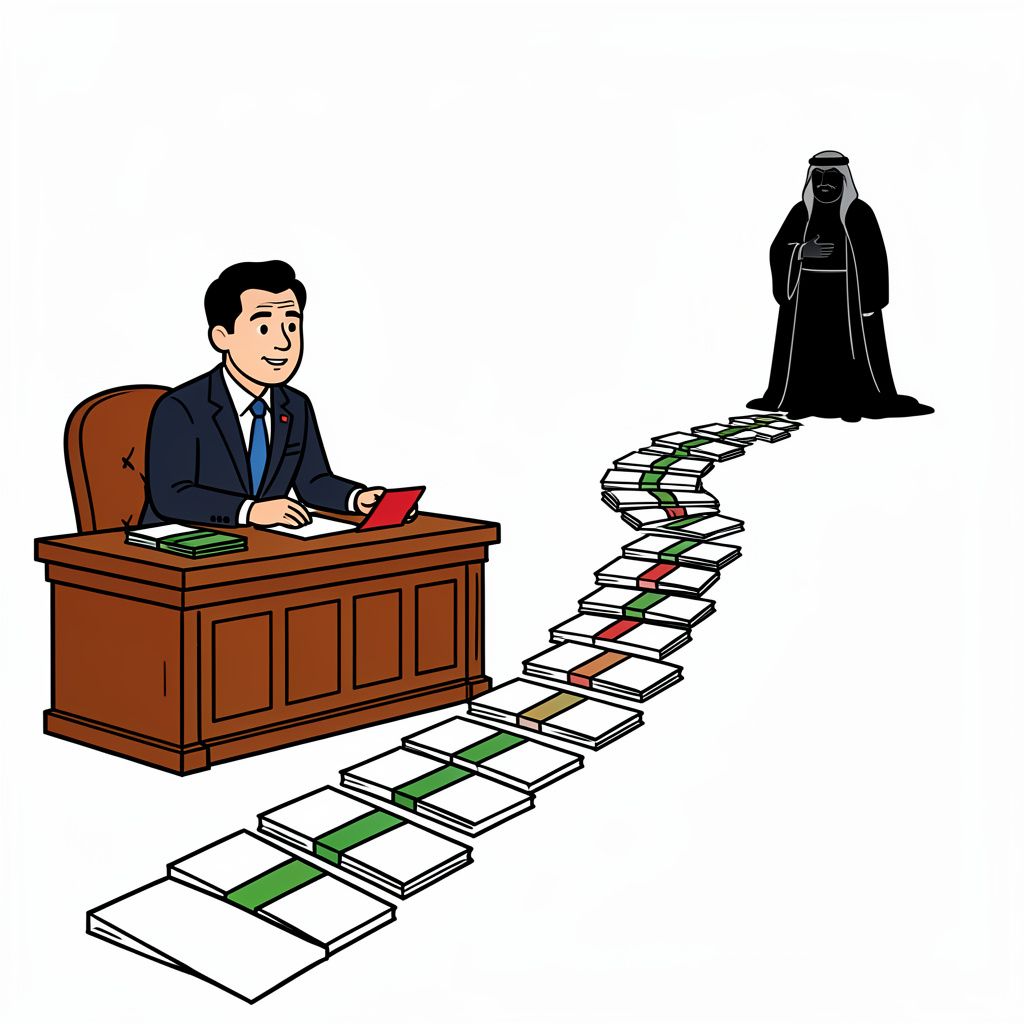
Concluding his June 2026 testimony, Secretary Rubio outlined strict Iran war ceasefire conditions, revealing that Iran’s new Supreme Leader communicates exclusively through written intermediaries, significantly delaying diplomatic negotiations.
Navigating the Geopolitical Checkmate in the Middle East
The ongoing conflict between the United States, Israel, and Iran—which erupted on February 28, 2026—has triggered severe economic and political ripple effects [2][8]. A central pillar of Secretary of State Marco Rubio’s testimony on June 2 and June 3, 2026, focused on the delicate negotiations to draft a memorandum of understanding to extend the current, fragile ceasefire by 60 days [2][3][8]. A non-negotiable prerequisite for the U.S. to lift its blockade and advance to phase-two talks is the reopening of the Strait of Hormuz [8]. This critical maritime chokepoint historically handles 20 percent of global oil and natural gas supplies [2][8], a reality that heavily dictates global energy market stability [GPT]. The waterway’s disruption has caused significant gas price spikes, amplifying congressional anxieties ahead of the Fall 2026 midterm elections [2].
The Nuclear Calculus and Regional Standoffs
Beyond the immediate cessation of hostilities, the State Department is drawing a hard line on Iran’s nuclear ambitions. According to the International Atomic Energy Agency, Iran currently possesses an estimated 440 kilograms (970 pounds) of uranium enriched to 60 percent purity [alert! ‘Exact quantities of highly enriched uranium are estimates subject to ongoing IAEA verification access limitations’] [8]. If enriched to weapons-grade levels, this stockpile is sufficient to produce 10 nuclear weapons, translating to exactly 44 kilograms of 60-percent enriched uranium required per potential weapon [8]. Rubio asserted that any nuclear-related sanctions relief would be entirely conditions-based, demanding the complete elimination of Iran’s uranium enrichment capabilities and the dismantling of its existing stockpile [8]. Emphasizing that Tehran would not receive an immediate “down payment,” Rubio testified that “the more they give, the more they would get” [8].
Fiscal Realities and “America First” Spending Priorities
Domestically, the administration’s geopolitical strategy must be financed through a tightly constrained fiscal lens. During his appearance before the House Appropriations State, Foreign Operations, and Related Programs (NSRP) Subcommittee, Rubio faced a Republican-led effort to rein in federal spending [6]. The proposed Fiscal Year 2027 bill aims to reduce State Department spending by $2.7 billion from the previously enacted level [6]. When combined with the $12 billion in reductions the subcommittee has secured since 2023, the total legislative cuts amount to 14.7 billion [6]. Despite these broader reductions aimed at addressing the national debt, the budget fiercely protects key strategic alliances, notably earmarking $3.3 billion in Foreign Military Financing for Israel [6].
Alliance Pressures and Domestic Scrutiny
The administration’s “America First” doctrine is also reshaping traditional European alliances. President Donald Trump is scheduled to attend the annual NATO leaders’ summit in Ankara, Turkey, on July 7 and 8, 2026 [1]. Rubio indicated that the President intends to demand significant alliance reforms and increased defense spending [1]. These demands follow recent diplomatic friction, notably tensions with Spain over its refusal to allow the U.S. to use its airbases for the war against Iran [1]. In a parallel strategic move regarding territorial influence, the administration is conducting monthly defense talks with Denmark regarding Greenland, with Rubio conveying the President’s view that defending the territory would be easier with “complete control” of it [1].
Sources
- www.pbs.org
- abcnews.com
- thehill.com
- www.cbsnews.com
- www.foreign.senate.gov
- appropriations.house.gov
- www.war.gov
- www.al-monitor.com