Senate Report Details How Major Banks Ignored Jeffrey Epstein's Suspicious Transactions
Washington, Tuesday, 4 August 2026.
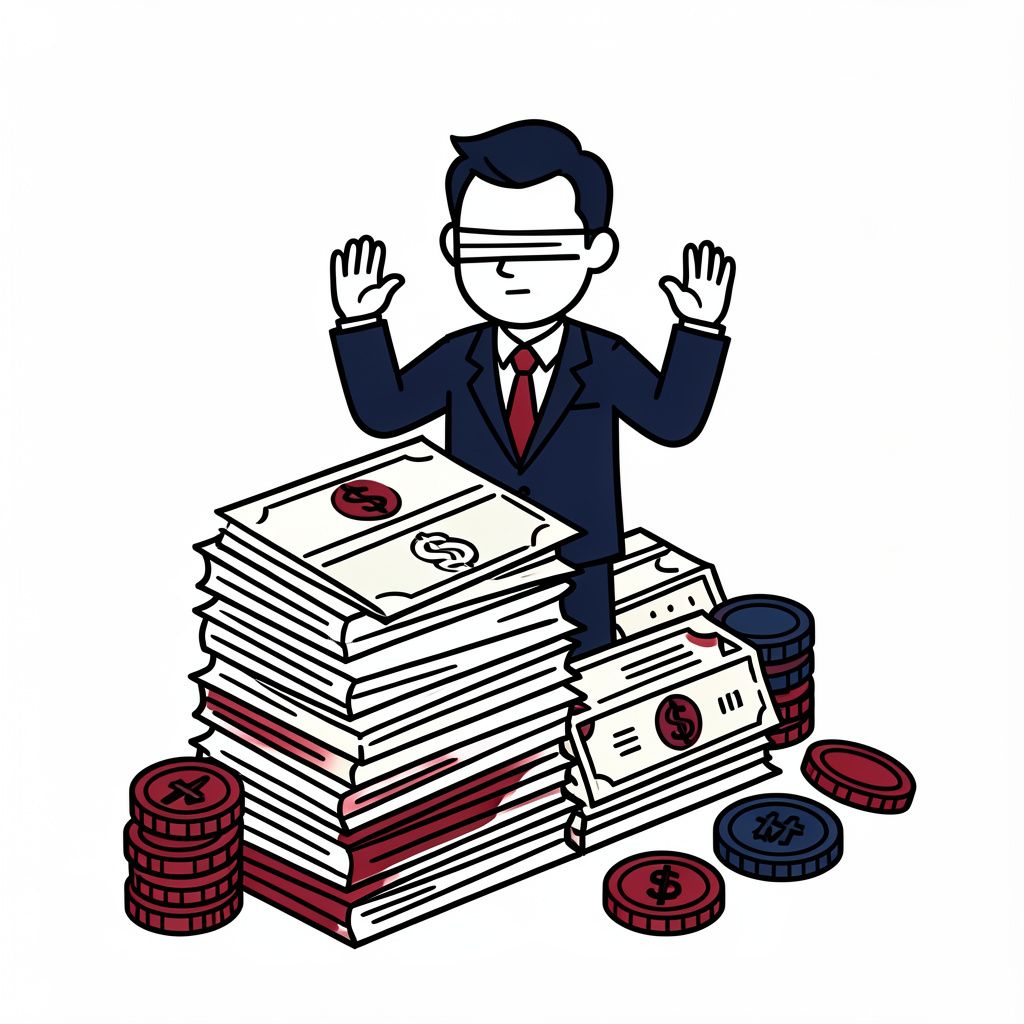
A Senate report reveals major Wall Street banks ignored over $1 billion in suspicious transactions linked to Jeffrey Epstein for decades, only filing reports after his 2019 arrest.
Senate Report Allegations and Banking Failures
On Tuesday, August 4, 2026, Senate Democrats released a comprehensive report accusing major financial institutions of failing to monitor and report suspicious transactions linked to convicted sex offender Jeffrey Epstein [1][2]. The findings, compiled by the Senate Finance Committee Democrats led by Senator Ron Wyden (D-OR), allege that banks including JPMorgan Chase, Bank of America, and Deutsche Bank allowed millions of dollars in illicit financial activity to proceed unflagged for years [1][3]. According to the congressional findings, these institutions only filed suspicious activity reports after Epstein’s high-profile federal arrest in July 2019 [1][4]. The report claims that bankers who needed to be asking questions did not ask them, allowing Epstein’s crimes to hide in plain sight [4][5].
Legislative and Regulatory Response
In response to these findings, Senate Democrats are calling on the U.S. Justice Department to investigate the failure to file timely reports [1][4]. Senator Wyden has proposed legislative changes to federal anti-money laundering laws, requiring bankers to personally confirm the review of suspicious transactions for ultra-wealthy clients [2][5]. The proposed measures include mandating due diligence for large wire transfers and increasing civil or criminal penalties for negligence [2]. Committee Democrats argue that if federal prosecutors are serious about preventing the next Jeffrey Epstein, they must hold Wall Street accountable [1][5].
Bank Responses and Future Implications
Financial institutions have responded to the allegations with statements emphasizing their cooperation with regulators. A Deutsche Bank spokesperson stated the bank takes its legal obligations seriously and has been transparent in addressing deficiencies [1][4]. Similarly, a Bank of America spokesperson said the bank did not facilitate wrongdoing and takes regulatory obligations seriously [4][6]. Despite these assurances, the report concludes that major compliance failures enabled Epstein for years, creating a roadmap for prosecutors to hold the Epstein class accountable [3][5]. The findings could lead to heightened legislative scrutiny regarding anti-money laundering compliance and regulatory enforcement for major banking corporations [1][3].
Sources
- www.npr.org
- www.finance.senate.gov
- www.aljazeera.com
- www.houstonpublicmedia.org
- www.commondreams.org
- www.aol.com