How Artificial Intelligence Is Increasing Workloads for Hospital Nurses
New York, Wednesday, 23 September 2026.
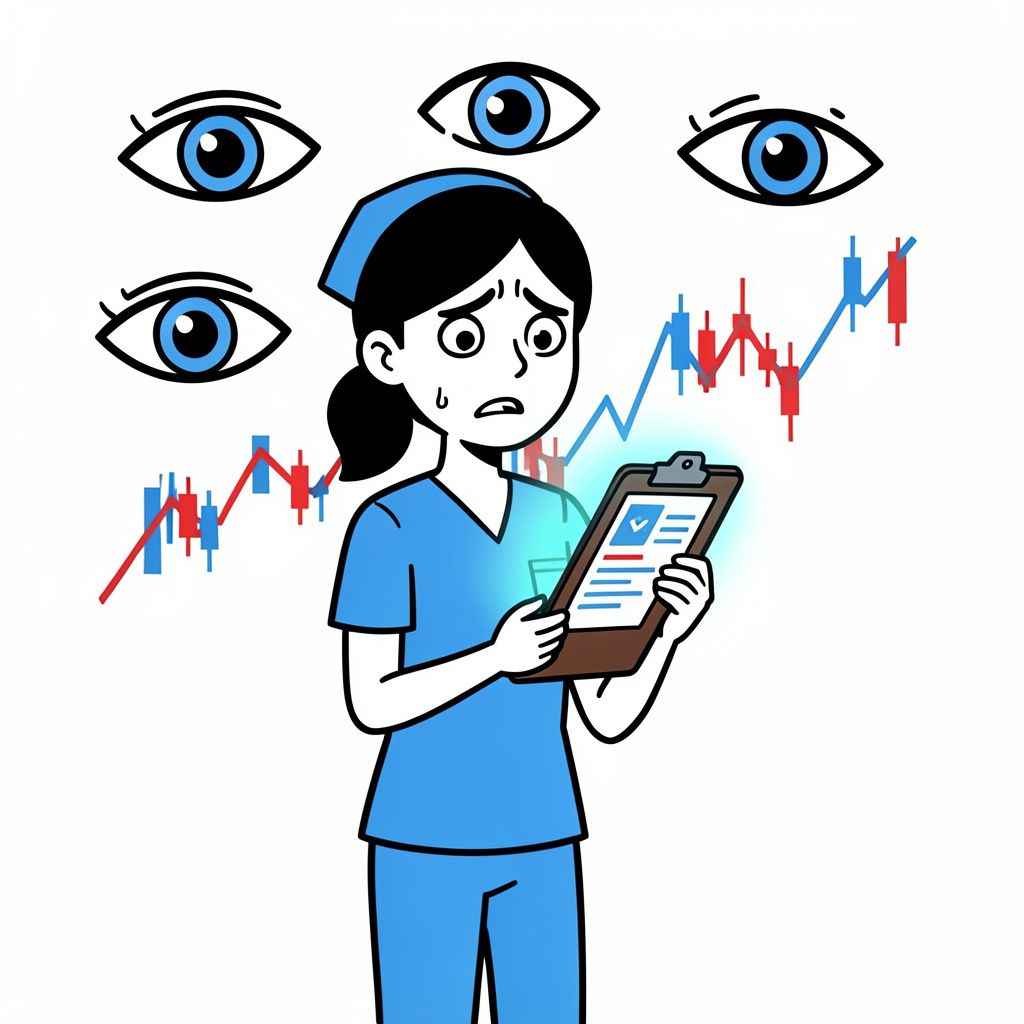
A recent survey reveals artificial intelligence is increasing workloads for 63% of hospital nurses, creating workplace surveillance concerns and driving nearly half to seek new employment.
Disconnect Between AI Promises and Nursing Reality
On September 23, 2026, Black Book Research released the State of AI in Hospital Nursing report, highlighting significant friction in healthcare automation [1]. Based on an August 2026 survey of 202 hospital nursing professionals, the data reveals that 63% of respondents found that automated tools increased their workload rather than reducing administrative burden [1]. This majority represents approximately 127.26 nurses managing new tasks without the elimination of existing documentation requirements [1].
Surveillance Concerns and Safety Culture
Workplace monitoring is a primary driver of dissatisfaction, with 65% of polled nurses feeling watched by AI systems [1]. This perception of surveillance correlates with safety risks, as one in three respondents report a reduced willingness to flag clinical uncertainty or near-miss errors [1]. HealthLeaders identifies this hesitancy as a critical issue for Chief Nursing Officers, noting that nurses worry about the real-world implications of adding AI to daily workflows [2].
Workforce Stability and Corrective Actions
The economic ramifications include potential retention crises, with nearly half of respondents indicating they are likely to seek positions with less AI oversight [1]. Doug Brown, Founder of Black Book Research, states that hospitals must measure total workload alongside financial outcomes to ensure technology gives time back [1]. To address this, a 90-day corrective-action roadmap has been proposed, focusing on transparency and defined appeal pathways for AI-generated data [1].