Cuba Halts Jet Refueling as Energy Crisis Forces Flight Suspensions
Havana, Monday, 9 February 2026.
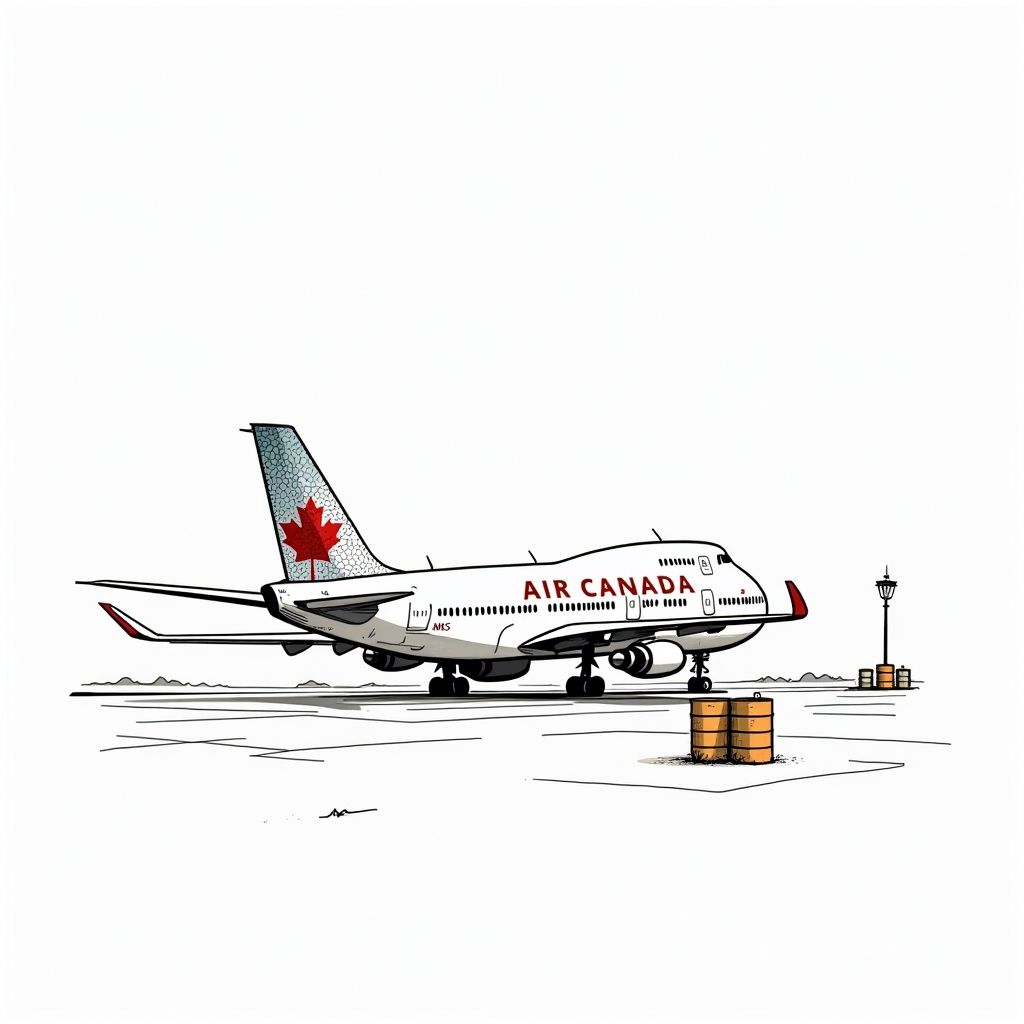
Cuba’s aviation sector faces a critical standstill as authorities suspend refueling services at major airports, citing severe shortages driven by intensified U.S. sanctions. The logistical crisis has triggered immediate fallout, with Air Canada halting flights and other carriers forced to tanker fuel for return journeys. As the island grapples with its deepest energy deficit in decades, the cutoff threatens to sever vital tourism lifelines just as the economy reaches a breaking point.
Aviation Sector Grounded by Fuel Deficit
Following our recent report on Havana’s implementation of a mandatory four-day work week to combat “energy asphyxiation” [https://wsnext.com/1f771dd-Energy-Crisis-US-Sanctions/], the island’s economic distress has now precipitated a shutdown of vital international transport links. On Sunday, February 8, Havana’s José Martí International Airport issued a Notice to Air Missions (NOTAM) warning that Jet A1 fuel would be unavailable from Tuesday, February 10, through March 11, 2026 [3][8]. This directive, affecting nine airports across the island, forces international carriers to overhaul their logistics immediately [1].
Major Carriers Suspend Operations
The operational impact was instantaneous. Air Canada suspended all service to Cuba effective today, Monday, February 9, citing the unreliability of the aviation fuel supply [3][5]. The carrier is currently mobilizing empty aircraft to repatriate approximately 3,000 customers already on the island [3][5]. Similarly, Russian carrier Aeroflot cancelled its Monday flight and suspended operations until late March, a move affecting approximately 4,500 Russian tourists currently vacationing in the region [8]. While Air Canada has cancelled seasonal flights to Holguín and Santa Clara for the remainder of the season, routes to Varadero and Cayo Coco are tentatively scheduled to resume on May 1, pending a review of fuel stability [3][5].
Logistical Workarounds and Geopolitical Pressure
Not all airlines have ceased operations, though the logistical burden has increased significantly. Air Transat and other carriers have opted to maintain schedules by “tankering” fuel—carrying sufficient kerosene from their point of origin to cover the return journey without refueling in Cuba [3][5]. However, this practice increases aircraft weight and operational costs. These drastic measures follow intensified pressure from the Trump administration, which recently signed an executive order imposing tariffs on nations selling oil to Cuba, effectively severing the island’s access to suppliers in Venezuela and Mexico [1][6]. In a bid to alleviate the shortage, Mexico dispatched two navy ships carrying over 800 tonnes of humanitarian aid on Sunday, though the timeline for distribution remains tight [8].
Domestic Economy Under Siege
The fuel paralysis extends well beyond the tarmac. Domestic infrastructure is rapidly contracting, with Havana’s public bus system effectively halted due to power outages and diesel shortages [1]. In a pivot toward dollarization to secure hard currency, fuel distribution companies announced today, February 9, that gasoline will no longer be sold in Cuban pesos; sales are now exclusively in US dollars and strictly rationed to 20 liters per user [1]. These austerity measures, combined with reduced bank hours and the suspension of cultural events like the Havana International Book Fair, underscore an economy nearing total immobilization [1].
Sources
- www.yahoo.com
- www.ctvnews.ca
- www.cbc.ca
- www.bbc.com
- www.aircanada.com
- www.cnbc.com
- www.ctvnews.ca
- financialpost.com