The Rise of Resume Botox: Why Experienced Women Are Erasing Their Career History
New York, Saturday, 4 April 2026.
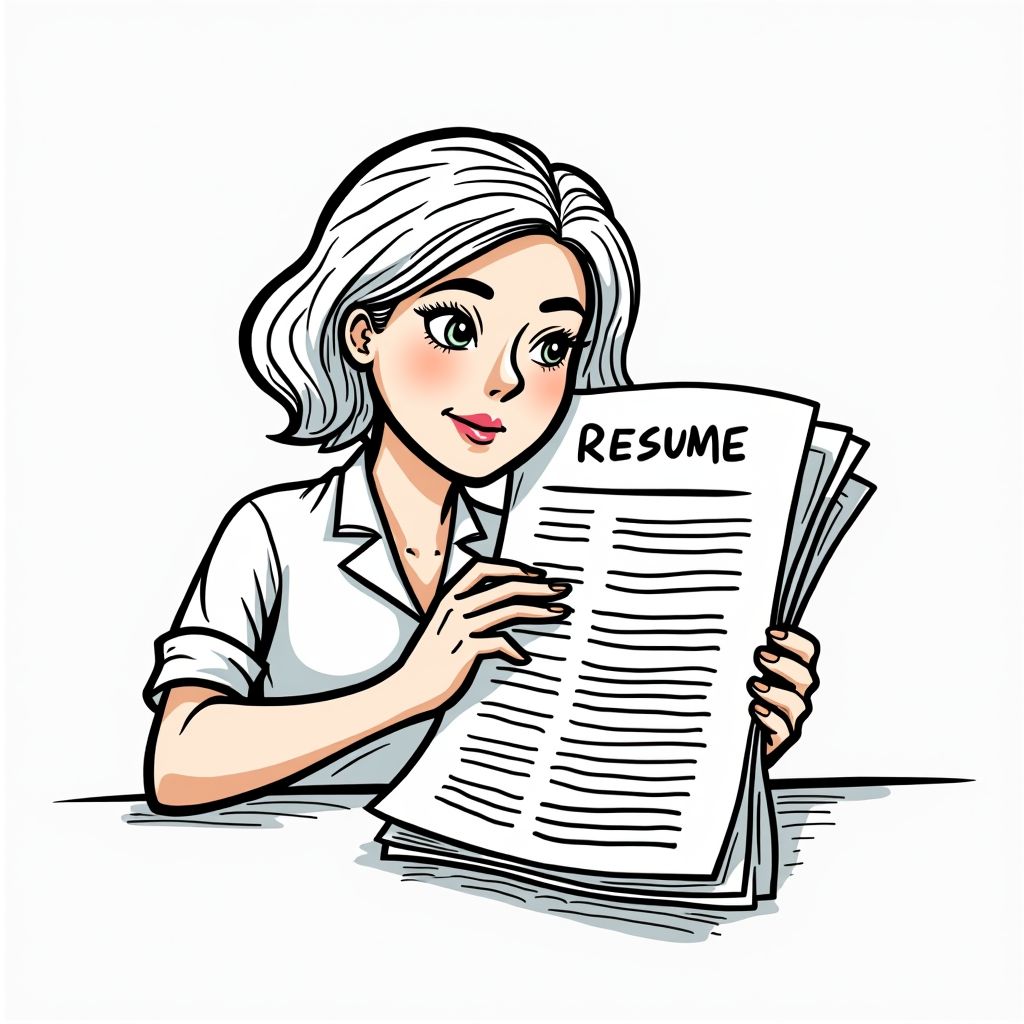
Older women are using “resume botox” to erase decades of experience, bypassing biased AI screening tools. This algorithmic ageism costs businesses highly qualified talent and critical institutional knowledge.
The Mechanics of Algorithmic Exclusion
Women over the age of 50 are increasingly turning to strategic omissions—removing graduation years and early career milestones—to survive automated resume screening [2]. This tactic has become a necessary survival mechanism because approximately 75% of resumes are rejected by Applicant Tracking Systems (ATS) before ever reaching a human recruiter [2]. Consequently, a mere 25% of applications successfully navigate this initial digital gatekeeper [2]. These screening algorithms, developed by major vendors such as Workday and iCIMS, rely heavily on predictive analytics and keyword matching derived from historical corporate hiring data [2].
Economic Repercussions in a Volatile Market
This algorithmic bottleneck is complicating a broader macroeconomic landscape that is already navigating significant turbulence in the spring of 2026. As of April 3, 2026, the United States labor market demonstrated continued resilience, adding 178,000 jobs in March [1]. However, this growth is juxtaposed against mounting economic pressures, including consumer surcharges and rising inflation stemming from the ongoing conflict with Iran [1]. In this environment, discarding capable talent exacerbates corporate inefficiencies. Research conducted by the AARP indicates that older workers, particularly women, are enduring demonstrably longer job search periods compared to their younger counterparts [2].
Regulatory Scrutiny and the Path Forward
The legal and regulatory frameworks governing employment are beginning to shift in response to these automated biases. In the United States, several class-action lawsuits are currently pending, arguing that automated screening tools exert a disparate and illegal impact on older workers [2]. Concurrently, the Equal Employment Opportunity Commission (EEOC) has signaled heightened scrutiny toward algorithmic hiring bias [2]. In Europe, the regulatory environment is already enforcing stricter boundaries; the European Union’s AI Act classifies employment-related AI systems as high-risk, subjecting them to rigorous transparency and fairness requirements [2].