Robooter Shifts to Direct-to-Consumer Model for US Smart Wheelchair Launch
New York, Saturday, 7 March 2026.
Robooter launches its US direct-to-consumer platform for FDA-cleared smart wheelchairs, bypassing intermediaries while preparing to introduce advanced assisted driving capabilities by Q4 2026.
Direct Market Entry and Product Specifications
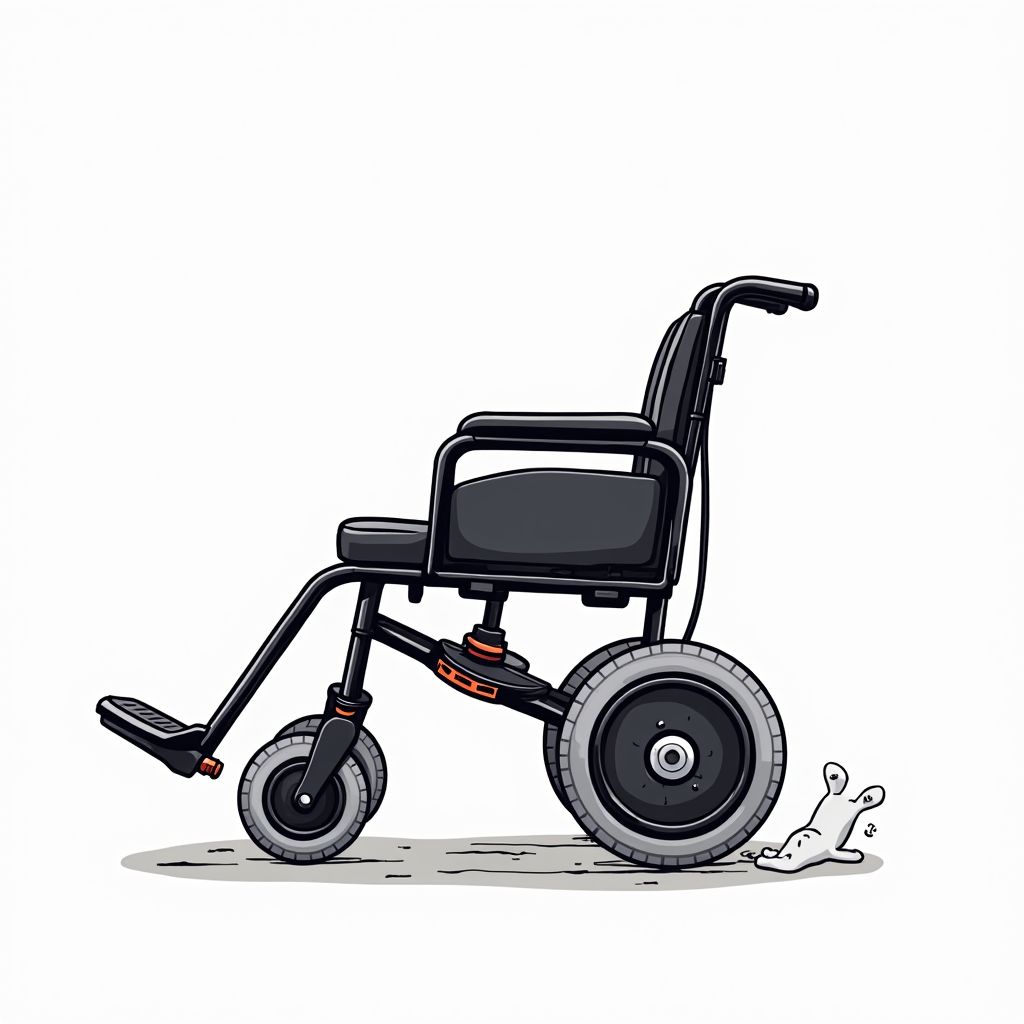
On March 7, 2026, Robooter officially initiated its direct-to-consumer (DTC) sales strategy in the United States with the launch of its dedicated platform, Robooter.us [1]. This strategic shift allows the manufacturer to bypass traditional medical supply intermediaries, granting American consumers immediate access to FDA-cleared Class II medical devices [1]. The launch features two flagship models designed to address distinct mobility needs: the E80 Carbon Fiber Power Wheelchair and the E60 Pro A All Terrain Power Wheelchair [1]. The E80 emphasizes portability, weighing 35 lbs with a weight capacity of 330 lbs, while the E60 Pro A is engineered for durability, featuring an aluminum alloy frame and an IPX5 waterproof rating [1].
Technical Capabilities
The technical specifications of the newly available units reflect a focus on performance and range. The E60 Pro A offers a driving range of up to 21.1 km (13.1 miles) powered by a 20Ah battery, with a maximum speed of 10 km/h (6.2 mph) [1]. Conversely, the lighter E80 model utilizes a 12Ah battery to achieve a range of 13 km and a top speed of 8 km/h [1]. To support this direct sales model, Robooter has established a physical presence in Wilmington, Delaware, and integrated digital support structures, including a companion app for iOS and Android and a comprehensive Help Center [1]. All units sold through the platform include a one-year limited warranty and free shipping, aimed at reducing the logistical friction often associated with acquiring medical mobility aids [1].
Corporate Strategy and Market Context
The transition to a direct sales model represents a significant evolution for Robooter, a company founded in 2016 that has accumulated a portfolio of over 270 intellectual property assets [1]. Currently serving markets in more than 65 countries, the firm operates under an ISO-certified quality management system [1]. By controlling the distribution channel, Robooter intends to streamline the customer journey for riders and caregivers, ensuring that pre-purchase inquiries and post-sale support are handled directly by the manufacturer [1]. A spokesperson for the company noted that the platform was explicitly built to foster consumer confidence from the initial transaction through to long-term usage [1].
Future Roadmap: Assisted Driving Technology
Looking beyond the immediate launch, Robooter has disclosed a product roadmap that signals a move toward higher-level autonomy in the medical mobility sector. The company plans to expand its U.S. product lineup in the fourth quarter of 2026 to include advanced smart features, specifically focusing on assisted driving capabilities [1]. This development timeline suggests that Robooter is positioning itself not merely as a hardware manufacturer, but as a developer of intelligent mobility solutions, aiming to integrate more sophisticated navigation technologies into its consumer offerings by the end of the year [1].