Trump Reverses Blanket Ban on Democratic Governors but Bars Leaders of Maryland and Colorado
Washington D.C., Thursday, 12 February 2026.
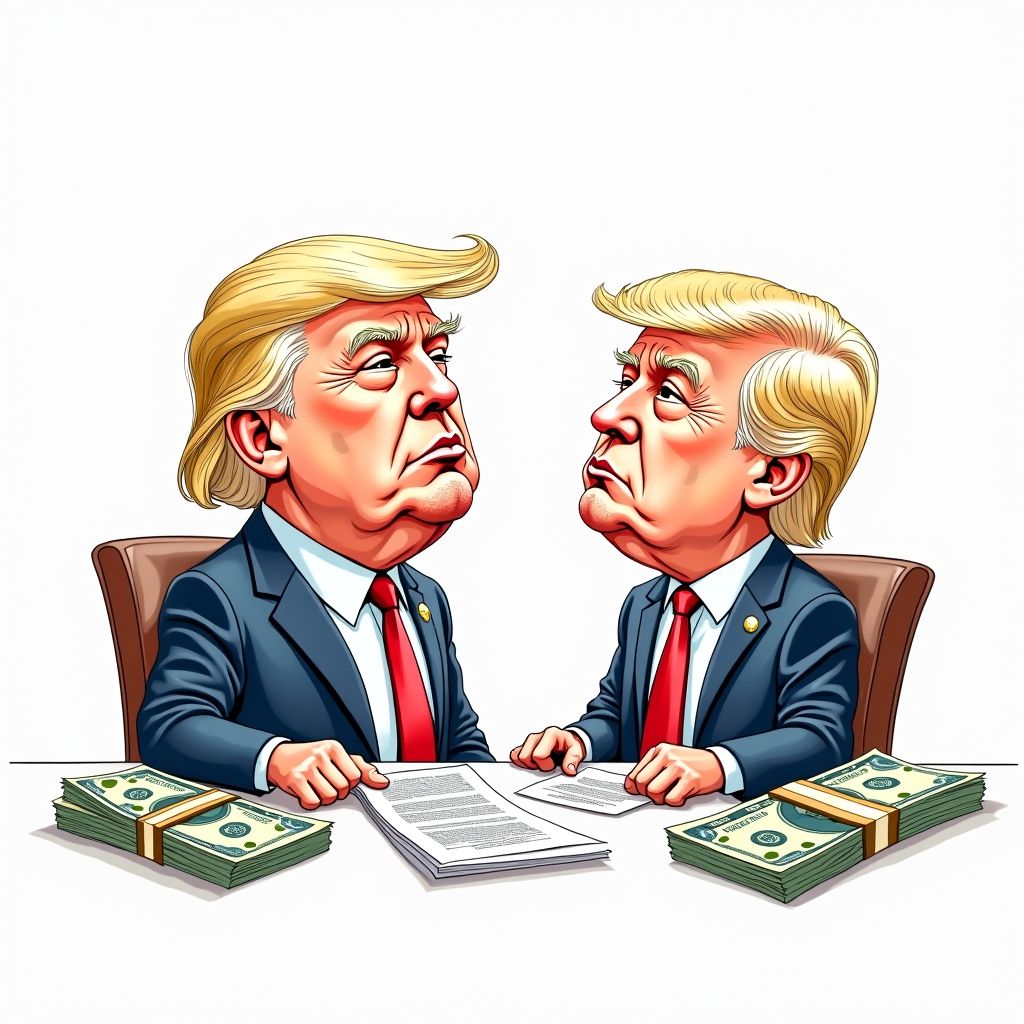
President Trump reversed a blanket ban on Democratic governors for the upcoming White House summit but explicitly excluded Maryland and Colorado’s leaders, citing specific political and personal grievances.
Selective Reversal of the White House Ban
On Wednesday, February 11, 2026, President Trump announced that nearly all governors are welcome at the White House for next week’s formal meeting and dinner, reversing an earlier stance that had broadly excluded Democrats [1]. However, the President explicitly maintained a ban on two specific Democratic leaders: Maryland Governor Wes Moore and Colorado Governor Jared Polis [1]. While the White House confirmed that invitations were sent to all other governors, Trump stated that he felt Moore and Polis were “not worthy of being there,” creating a distinct exception to the otherwise restored bipartisan invitation list [1].
Friction with the National Governors Association
This partial reversal follows a week of diplomatic turbulence between the White House and the National Governors Association (NGA). The conflict began when the White House initially informed the NGA on February 6 that only Republican governors would be invited to the business meeting scheduled for February 20, 2026 [3]. In response, Oklahoma Governor Kevin Stitt, the Republican chair of the NGA, announced on February 10 that the association would no longer facilitate the event, arguing that the exclusion of Democrats violated the organization’s mission to represent all 55 governors [5]. Although Stitt confirmed on February 11 that the White House had agreed to invite all governors to the formal meeting, the President publicly attacked Stitt as a “RINO” (Republican In Name Only) for his role in challenging the initial exclusions [2].
Political Leverage and Legal Pressure
The continued exclusion of Governor Polis appears rooted in a specific legal dispute regarding the incarceration of Tina Peters, a former Colorado county clerk. Peters is currently serving a nine-year sentence for tampering with voting machines following the 2020 election [1]. President Trump, who issued a symbolic pardon for Peters in December 2025 despite lacking the legal authority to pardon state crimes, is utilizing the White House ban as part of a pressure campaign to force Polis to release her [2]. On February 11, Trump explicitly cited his disagreement over Peters’ imprisonment as the primary justification for barring the Colorado governor from the event [1].
Personal Disputes and Resource Allocation
Conversely, the friction with Governor Moore appears to be driven by a combination of personal and administrative conflicts. Tensions between the President and the Maryland governor have escalated over the past year, involving disputes over FEMA funds withheld for Maryland disaster relief and Trump’s previous threats to deploy the National Guard to Baltimore [6]. White House Press Secretary Karoline Leavitt defended the decision to disinvite Moore from the social dinner, asserting that the President can “invite whomever he wants” to his home [6]. Moore, who is the only Black governor in the country, described the exclusion as “particularly painful” given his standing among his peers [6].
Fractured Traditions and Boycotts
Despite the reinstatement of invitations for the business meeting on February 20, the social components of the summit remain contentious. While Governor Moore received an invitation to the formal business meeting on February 11, both he and Polis remain excluded from the black-tie dinner scheduled for February 21 [1][2]. This selective approach has triggered a collective response from Democratic leadership; on February 10, 18 Democratic governors announced they would boycott the traditional White House dinner if their colleagues were excluded [4]. With the NGA withdrawing as the official facilitator, the upcoming gathering highlights the increasingly fragile nature of bipartisan federal-state cooperation [5].