Historic Western Snow Drought Plunges Ski Tourism to a Four-Decade Low
Denver, Wednesday, 10 June 2026.
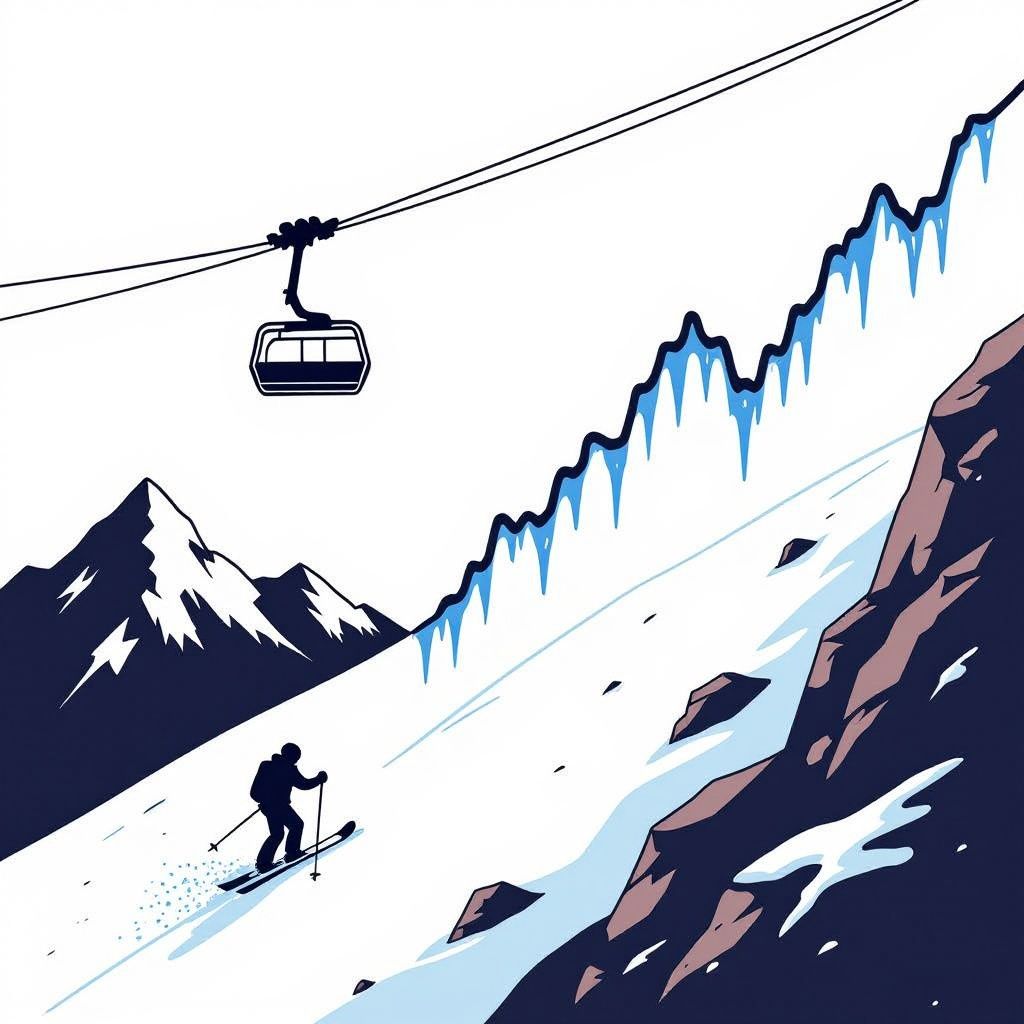
Driven by climate change, record-low Rocky Mountain snowfall sparked a 24% decline in winter tourism, marking a 40-year low that now threatens broader regional water supplies and economic stability.
A Devastating Blow to Winter Tourism
The 2025-2026 ski season has concluded with disastrous financial results for the Rocky Mountain region. According to Robert Katz, CEO of Vail Resorts, visitor numbers across the Rockies plummeted by 24 percent [1]. Excluding the anomalous pandemic years, this represents the most severe decline in four decades [1]. World-renowned destinations, including Colorado’s Vail and Breckenridge resorts, experienced the brunt of this downturn, leaving local economies that heavily depend on winter tourism grappling with sudden revenue shortfalls [1].
Economic Ripples Beyond the Slopes
The financial toll extends far beyond the immediate losses of major ski operators. The dramatic reduction in snowfall presents a looming crisis for broader regional stability heading into the summer of 2026 [1]. In the northwestern United States, between 60 and 70 percent of the water supply is dependent on melting snowpack [1]. With a median dependency of 65 percent, the early melt and severely diminished reserves threaten agricultural water supplies and reservoir levels, which are critical for both farming operations and municipal water grids [1].
Tracking the Drought and Future Hazards
To address these escalating environmental and economic threats, government agencies and scientific bodies are actively monitoring soil conditions. Currently, the 17th annual National Soil Moisture Workshop is taking place from June 9 to June 10, 2026, at the University of North Carolina at Asheville [2]. The event focuses heavily on ‘Soil Moisture and Natural Hazards,’ directly addressing the urgent need for improved drought tracking, wildfire prediction, and flood forecasting [2].