New Modular Equipment Set to Modernize Global Livestock Farming
Qingdao, Tuesday, 28 July 2026.
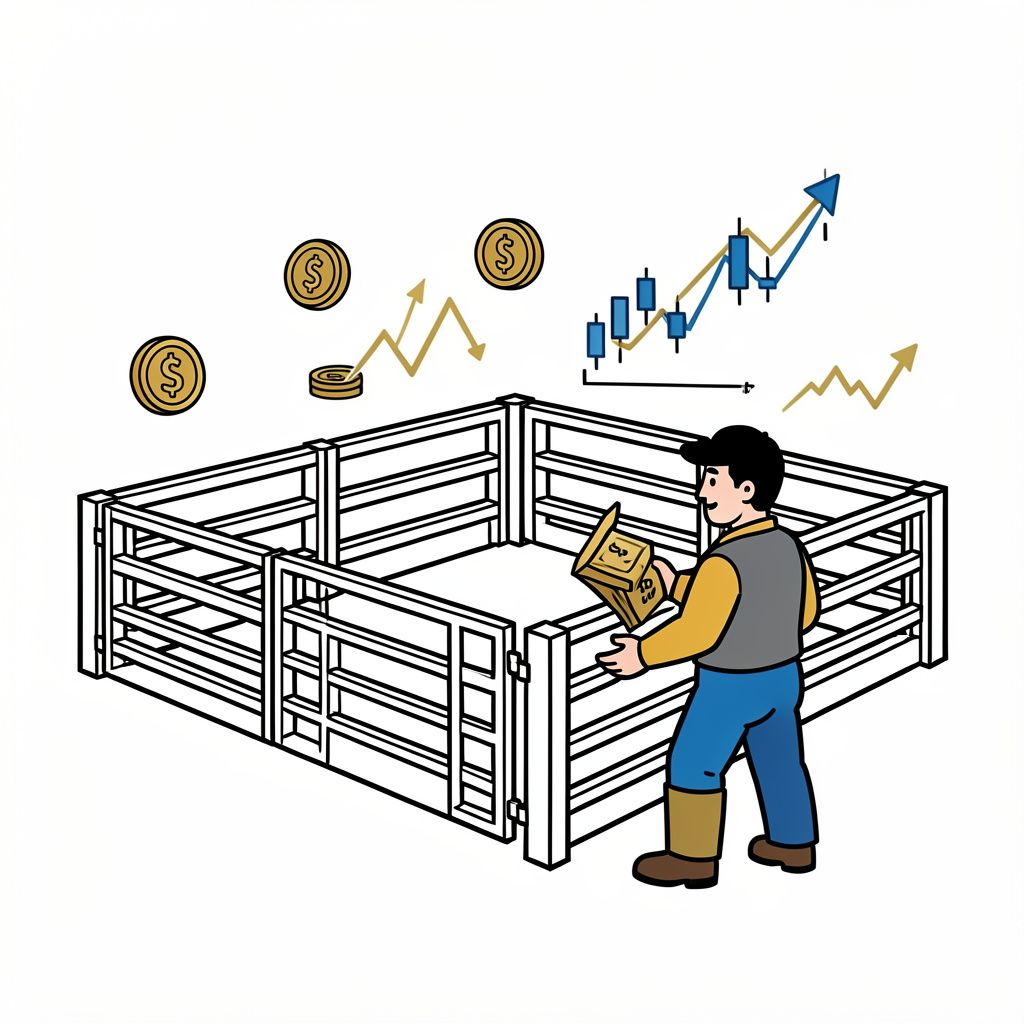
On July 28, 2026, Qingdao Shengxin Metalware launched modular livestock equipment designed to combat global agricultural labor shortages and lower operational costs through highly adaptable, durable engineering.
Addressing Global Livestock Challenges with Automation
On July 28, 2026, Qingdao Shengxin Metalware launched modular livestock equipment designed to combat global agricultural labor shortages and lower operational costs through highly adaptable, durable engineering. Operating from Shandong, China, Qingdao Shengxin Metalware Co., Ltd. has positioned itself as a global provider of modernized cattle and pig farming infrastructure [1]. No stock ticker symbol is publicly registered for the company as of July 2026, indicating it remains a privately held or unlisted entity [alert! ‘no ticker symbol is publicly registered for Qingdao Shengxin Metalware Co., Ltd.’]. The company’s newly announced solutions specifically target the acute labor shortages and escalating operational demands faced by modern agricultural enterprises [1]. This rollout represents a broader, ongoing transition within the global livestock sector toward automated, digitally monitored, and intelligently managed facility designs to meet rising international food demands while simultaneously improving animal welfare standards [1]. A core pillar of this modernization strategy is the implementation of modular finishing and farrowing crates [2]. Modularity in livestock containment, such as finishing crates, refers to a design framework where standardized, self-contained units—including side panels, end panels, and bottoms—are engineered to be easily assembled, disassembled, and reconfigured [2]. These components utilize precision-engineered interlocking mechanisms, allowing farmers to scale and adjust crate dimensions based on specific animal sizes or load requirements [2]. To optimize these systems, manufacturing processes rely on lightweight yet exceptionally durable materials, including high-grade plastics, composite materials, and metal alloys [2]. This material selection reduces overall crate weight, which minimizes fuel consumption during global transport, lowers long-term procurement costs through component reuse, and enhances supply chain sustainability through easier recycling [2].
Rigorous Manufacturing and Environmental Durability
To ensure that these modular systems survive the demanding and corrosive environments of industrial livestock facilities, Qingdao Shengxin implements a meticulous multi-stage production pipeline [1]. This quality control process spans raw material inspection, precision cutting, welding, surface treatment, assembly, and final testing [1]. Such rigorous manufacturing standards are vital for maintaining equipment durability under harsh environmental conditions [1]. Furthermore, the modular design of these crates facilitates easier disassembly, allowing agricultural workers to efficiently clean, maintain, and eventually recycle specific components at the end of their operational lifecycles [2]. Currently, the company is actively inviting global agricultural enterprises to consult with their expert team regarding tailored modular crate installations [2]. The expansion of specialized manufacturers like Qingdao Shengxin is heavily supported by regional industrial clusters across China, which supply critical metalware and wire-based infrastructure [3]. Provinces such as Hebei (with key hubs in Hengshui, Dingzhou, and Shijiazhuang) and Shandong (including Ningjin and Jining) host a dense network of suppliers producing fence nets, welded mesh sheets, and galvanized steel wire [3]. This deep supply chain features highly experienced enterprises, such as Hengshui Jiulong Metal Mesh Product Co., Ltd., which was established in 1988 and possesses 38 years of manufacturing expertise [3]. Other foundational companies, such as the Fasten Group (founded in 1964) and state-owned entities like Hebei Machinery & Equipment Import & Export Co., Ltd. (founded in 1978), provide the global logistics and production backbone necessary to sustain international agricultural modernization [3].
International Standards and Future Technological Frontiers
To successfully integrate into Western agricultural supply chains, Chinese manufacturers prioritize strict compliance with international standards [3]. For instance, Heyou Wire Mesh Co., Ltd. produces steel reinforcement products adhering to the Australian and New Zealand Standard AS-NZS4671, illustrating the export readiness of these regional clusters [3]. Looking toward the future, the agricultural sector is poised to adopt even more sophisticated technologies [1][2]. Qingdao Shengxin is currently focusing its research and development on integrating sustainable, high-strength materials and evaluating customer feedback to refine equipment performance [1][2]. Future iterations of modular crates are expected to integrate smart sensors for real-time monitoring of internal conditions, including temperature, humidity, and physical shock levels, further driving the efficiency of global livestock operations [2]. By strengthening its manufacturing capacity and global supply chain logistics, Qingdao Shengxin aims to meet the growing international demand for durable, efficient farm infrastructure across Asia, Europe, Africa, the Middle East, Oceania, and the Americas [1].