South Korean Markets Plunge Over 5% Triggering Temporary Trading Halt
Seoul, Monday, 2 February 2026.
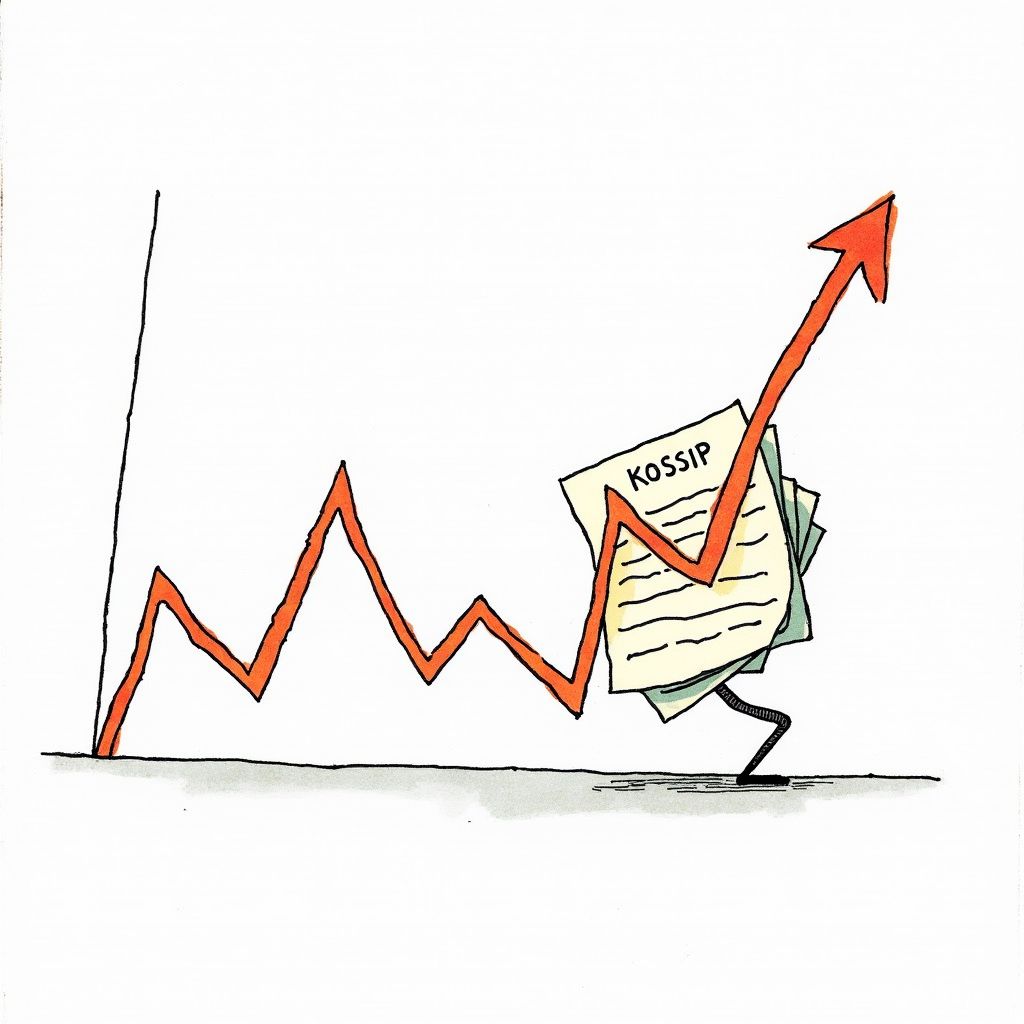
Regulators halted trading Monday as the Kospi plunged over 5 percent, surrendering the historic 5,000 level as profit-taking in major technology stocks rattled investor confidence.
Mechanisms of the Market Halt
The benchmark Korea Composite Stock Price Index (KOSPI) concluded Monday’s volatile session at 4,949.67, shedding 274.69 points, or 5.26 percent [4]. This marks a swift reversal, as the index had only just surpassed the psychologically significant 5,000-point milestone for the first time last Tuesday [4]. The selling pressure was intense enough to trigger the Korea Exchange’s “sidecar” mechanism at 12:31 p.m. local time, a safeguard designed to curb excessive intraday volatility [2][4]. This regulatory intervention, which halts program selling orders for a five-minute window, is activated when Kospi 200 futures fluctuate by at least 5 percent from the previous session’s close and sustain that level for one minute [2][4]. While the exchange utilized this tool three times last year, Monday’s activation represents the first such intervention of 2026 [2].
Tech Sector Leads the Retreat
The downturn was primarily driven by heavy losses in large-cap technology stocks, as investors questioned the durability of AI-driven spending and moved to unwind crowded trades [2][3]. Industry titans Samsung Electronics and SK Hynix both plummeted more than 6 percent, erasing gains from a recent rally [7]. This sentiment rippled through the broader tech market, causing the tech-heavy Kosdaq index to fall 4.44 percent to close at 1,098.36 [1]. Analysts suggest that while the structural demand for artificial intelligence remains intact, technical selling pressure emerged as traders booked profits on the sector’s strong year-to-date performance [7].
Regional Headwinds and Currency Pressure
Seoul’s volatility occurred against a backdrop of mixed economic signals and a broader sell-off across Asia-Pacific markets. While private surveys indicated that China’s factory activity actually accelerated in January—with the Purchasing Managers’ Index rising to 50.3—this positive data failed to buoy regional sentiment [1]. Japan’s Nikkei 225 declined 1.25 percent, while Hong Kong’s Hang Seng index dropped 2.32 percent [1]. The risk-off wave also impacted the currency market, with the South Korean won falling 1.3 percent to 1,459.20 against the U.S. dollar, marking its largest daily decline since October 2025 [7]. Simultaneously, commodities markets faced severe turbulence; spot gold lost approximately 6 percent, and silver prices crashed as much as 12 percent [1].
Correction or Crisis?
Despite the severity of Monday’s plunge, market observers note that South Korean equities remain one of the year’s top performers. Even after this pullback, the Kospi retains a year-to-date gain of 19 percent [7]. The market’s total valuation recently exceeded $3.3 trillion, allowing South Korea to surpass Germany as the world’s 10th-largest equity market just last week [7]. Trading data from Monday reveals a distinct divergence in investor behavior: while domestic and foreign funds were net sellers, retail investors stepped in to buy shares, helping to trim the index’s losses from an intraday low that had reached 5.6 percent [7]. Analysts maintain that the key engines of the bull market—specifically strong earnings momentum—remain intact despite the abrupt panic selling [7].