Navigating Wall Street's Toughest Month: What Investors Need to Know
New York, Friday, 4 September 2026.
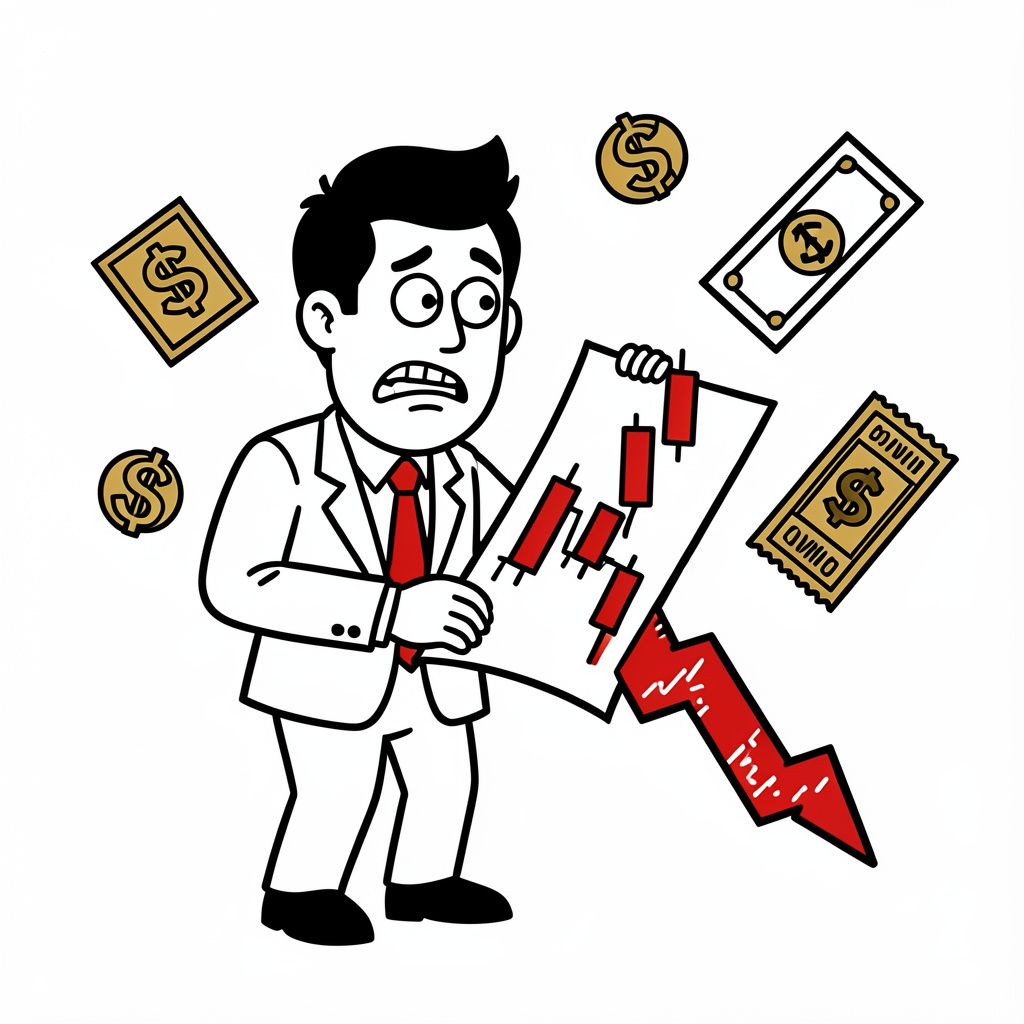
Despite strong second-quarter earnings surging over 50%, September remains historically the only month where the S&P 500 falls more frequently than it rises, prompting calls for strategic portfolio positioning.
Earnings Strength Versus Seasonal Weakness
Despite the seasonal pessimism, corporate fundamentals remain strong, with S&P 500 Q2 2026 corporate earnings significantly outperforming initial forecasts [1]. Actual growth exceeded 50% compared to the 21% growth originally expected by analysts, representing a substantial positive surprise 138.095 [1]. All 11 sectors within the S&P 500 experienced upward revisions to their Q2 2026 earnings reports, indicating broad-based strength beyond the technology and AI sectors [1]. This earnings resilience provides a counterweight to the historical data suggesting September is the worst month going back to World War II [1].
Geopolitical Risks and Sector Dynamics
Geopolitical tensions contributed to market volatility, particularly in the energy sector, as CENTCOM confirmed that U.S. forces began striking Islamic Revolutionary Guard Corps targets in Iran on September 1, 2026 [7]. West Texas Intermediate crude surged 5.6% to $90.55 per barrel on Tuesday, September 2, 2026, before oil markets remained flat on Thursday, September 3, 2026, with Brent crude at $95.60 per barrel [4][7]. In the technology sector, Nvidia agreed to acquire open-source AI platform Hugging Face for nearly $13 billion on September 3, 2026 [4]. Additionally, Talkpool, a European telecommunications firm, reported a 12.5% revenue increase in Q1 2026 compared to the same period in 2025, highlighting global tech expansion [3].
Strategic Positioning for Investors
Analysts advise that a positive August performance does not mitigate September’s tendency for negative returns and negative frequency of advance [1]. However, second-quarter earnings were expected to be up by 21% when in fact now they are up more than 50%, suggesting underlying economic strength [1]. Investors are encouraged to focus on companies with strong balance sheets and clear growth strategies, such as those prioritizing AI integration to offset temporarily reduced margins [3]. Ultimately, navigating Wall Street’s toughest month requires balancing awareness of historical volatility with confidence in current economic fundamentals [1][4].
Sources
- finance.yahoo.com
- www.youtube.com
- www.di.se
- www.cnbc.com
- www.facebook.com
- www.mk.co.kr
- www.investopedia.com
- www.facebook.com