U.S. Consumer Optimism Sinks as Overseas Conflict and Fuel Costs Surge
Ann Arbor, Saturday, 28 March 2026.
U.S. consumer sentiment dropped 6% in March 2026. Surprisingly, wealthier households reported the sharpest declines, rattled by stock market volatility and soaring fuel costs linked to the Iran conflict.
The Data Behind the Dismay
The latest figures from the University of Michigan’s Surveys of Consumers, a closely monitored economic indicator derived from approximately 500 consumer interviews, paint a stark picture of American economic anxiety [5]. Released in late March 2026, the final Consumer Sentiment Index for the month registered at 53.3, a sharp drop from February’s 56.6 and well below both the forecasted value and the preliminary mid-month estimate of 55.5 [2][3][5]. This decline of roughly -5.83 percent marks the lowest sentiment reading since December 2025 [6][8]. The downturn was broad-based, affecting all age groups and political affiliations, but the most precipitous drops were surprisingly concentrated among middle- and higher-income households with significant stock market exposure [3][8].
Energy Shocks and Inflationary Pressures
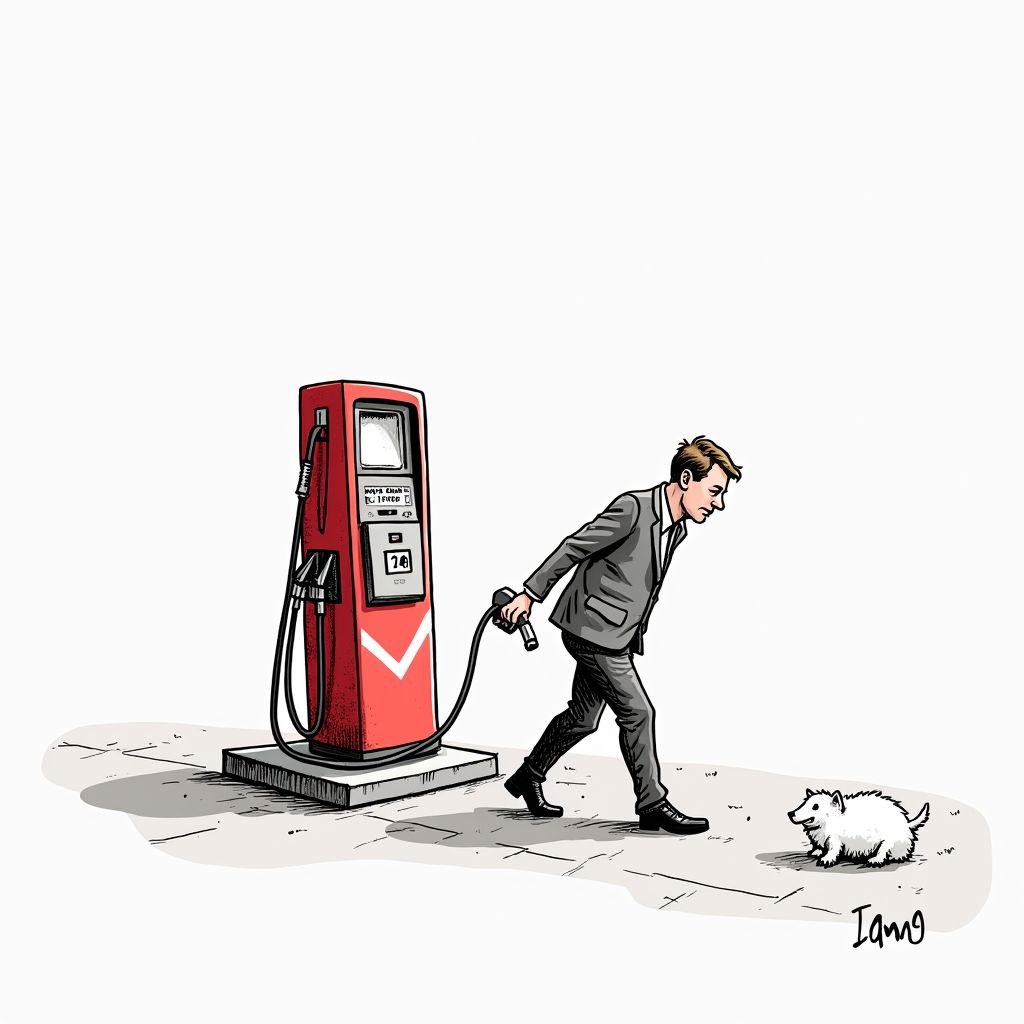
The geopolitical turmoil in the Middle East has acted as a primary catalyst for this waning optimism, primarily through the channel of energy markets [GPT]. Following the outbreak of the Iran conflict and the subsequent closure of the Strait of Hormuz, global oil prices surged by more than 30 percent [1][7]. For the American consumer, this macroeconomic shock quickly translated into pain at the pump. According to data from motorist advocacy group AAA, the national average for retail gasoline jumped by 1 dollar, reaching $3.98 per gallon by late March [alert! ‘Sources slightly conflict on whether the exact near-$4 reading was recorded on March 26 or March 27’], up from $2.98 just a month prior [1][7]. Consequently, year-ahead gas price expectations surged approximately fivefold compared to February, hitting their highest levels since June 2022 [6][8].
Market Volatility and Recession Risks
Beyond the gas pump, the conflict has unleashed significant volatility across financial markets, sparking a stock market selloff that has disproportionately affected wealthier demographics [7]. Joanne Hsu, the director of the Michigan surveys, noted that these consumers have been heavily buffeted by the dual headwinds of escalating fuel costs and turbulent investment portfolios [1][2][7]. The resulting wealth effect—where consumers spend less as the value of their assets declines—could pose a serious threat to broader economic growth, as consumer spending is a foundational driver of the U.S. economy [5]. The short-term economic outlook among respondents plunged by 14 percent, and expectations for personal finances over the coming year dropped by 10 percent [3][6]. Furthermore, 61 percent of consumers now expect unemployment to rise over the next year, an increase from 58 percent in February [6][8].
A Short-Term Shock or Long-Term Stagnation?
Despite the acute pessimism regarding the immediate future, there are underlying signals that consumers view the current headwinds as temporary disruptions rather than permanent structural shifts. While short-term expectations saw double-digit declines, long-term economic expectations experienced only modest downward adjustments [3][8]. Notably, consumers’ expectations for inflation over a five-year horizon actually slipped slightly to 3.2 percent from 3.3 percent in February [3][7]. Joanne Hsu emphasized this dynamic, stating that consumers generally believe the negative economic consequences stemming from the Iran conflict will be limited primarily to the short run [6][8].
Sources
- qz.com
- www.usatoday.com
- tradingeconomics.com
- bankingjournal.aba.com
- www.investing.com
- news.umich.edu
- www.detroitnews.com
- isr.umich.edu