Epic Games Leverages Viral Characters in New Fortnite Season to Boost Digital Revenues
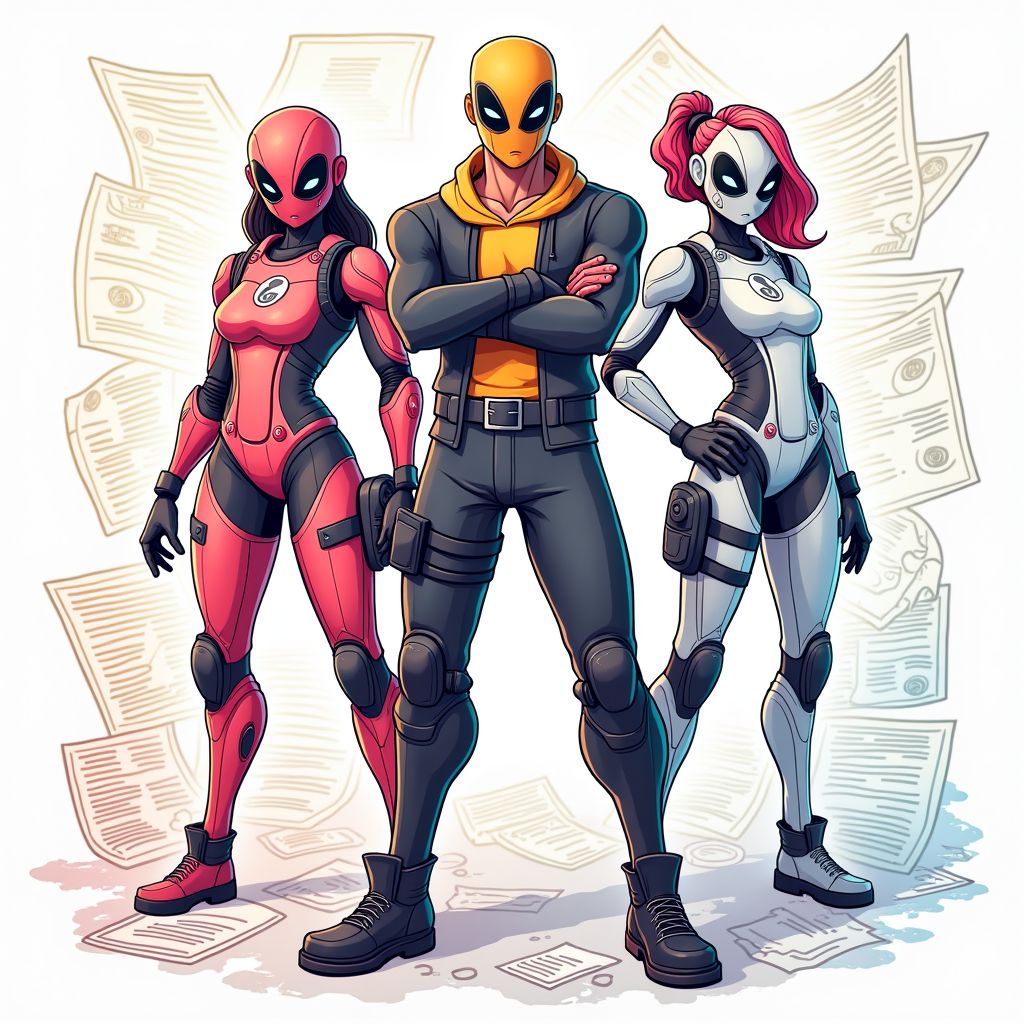
Cary, Thursday, 19 March 2026.
Released today, March 19, 2026, Fortnite’s new season introduces viral AI characters, acting as a crucial catalyst for Epic Games to drive digital engagement and microtransaction revenues.
Strategic Delays and Global Rollout
Following a strategic delay of two weeks from its original early March schedule, Epic Games officially launched Fortnite Chapter 7 Season 2 today, March 19, 2026 [1]. The global rollout was meticulously timed, with servers expected to go live across multiple time zones, including 4:00 AM PT, 7:00 AM ET, and 12:00 PM CET [1]. In preparation for the massive influx of players, the developer initiated server maintenance, prompting a “Fortnite Server is down” message that signaled the imminent deployment of the highly anticipated update [1]. Dataminers, such as ShiinaBR, had previously noted that exact release windows remained contingent on the completion of these critical backend overhauls [1].
Monetizing the Metaverse with Viral IP
At the core of Fortnite’s monetization strategy is the Battle Pass, a tiered reward system that incentivizes continuous gameplay through exclusive digital assets [GPT]. For Chapter 7 Season 2, Epic Games has heavily leaned into contemporary internet culture by integrating AI-generated characters Tung Tung Sahur and Ballerina Cappuccina into the game [1]. These characters, which achieved massive viral popularity on social media in 2025, represent a calculated move to convert viral internet trends into tangible microtransaction sales [1]. Additionally, the inclusion of classic intellectual property, such as a Bugs Bunny skin, broadens the demographic appeal, expertly merging legacy entertainment with modern gaming [1].
Sustaining Live-Service Dominance
The sustained success of live-service games relies heavily on rhythmic, high-impact seasonal transitions [GPT]. By combining cinematic recap trailers to onboard returning players with fresh, culturally relevant content, Epic Games continues to set the industry standard for digital economy engagement [2][3]. As the boundaries between social media phenomena and interactive entertainment blur, the integration of last year’s viral AI figures alongside traditional media icons illustrates a sophisticated approach to metaverse development and intellectual property licensing [1].