Trump Announces $12 Billion Aid for Farmers Affected by China Trade Policies
Washington, D.C., Monday, 8 December 2025.
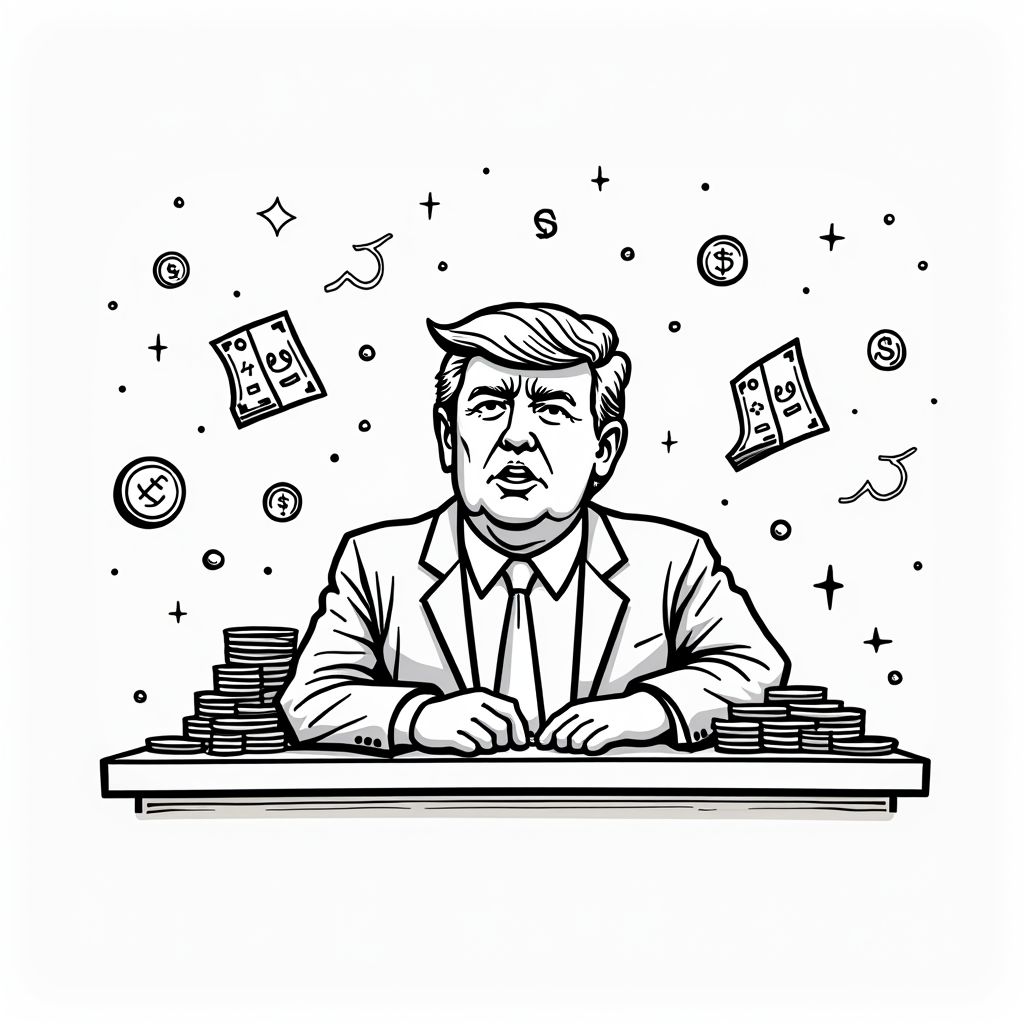
President Trump unveils a $12 billion aid package to support U.S. farmers facing financial challenges due to trade tensions with China. The package includes one-time payments to crop farmers.
Details of the Aid Package
The $12 billion aid package, announced by President Donald Trump on December 8, 2025, is designed to alleviate the economic pressure on U.S. farmers caused by the ongoing trade war with China. This initiative, set to be unveiled during a White House roundtable with key officials including Treasury Secretary Scott Bessent and Agriculture Secretary Brooke Rollins, aims to support farmers who have been adversely impacted by reduced crop prices and rising tariffs [1][2].
Farmer Bridge Assistance Program
A significant portion of the aid, approximately $11 billion, is allocated to the U.S. Department of Agriculture’s Farmer Bridge Assistance program. This program focuses on providing one-time payments to farmers growing key crops such as corn, cotton, sorghum, soybeans, rice, wheat, and potatoes. The aid is intended to offer immediate financial relief to those struggling with unsold inventory and low market prices [1][2][3].
Impact of Trade Tensions
The trade tensions with China have severely affected the agricultural sector, especially soybean farmers, as China historically purchased a substantial portion of U.S. soybeans. However, due to the tariffs imposed since mid-2018, China shifted its purchases to other countries like Brazil and Argentina, exacerbating the financial strain on American farmers [3][4]. Despite recent promises from China to purchase 12 million metric tons of soybeans by the end of 2025, to date, only about 2.8 million metric tons have been bought, representing roughly a quarter of the promised amount [1][5].
Political Reactions and Future Prospects
The announcement has sparked a range of reactions, with some viewing it as a necessary step to stabilize farm incomes amidst fluctuating market conditions. However, others criticize it as a temporary fix rather than a sustainable solution to the underlying trade issues. Moving forward, the administration’s focus on securing more favorable trade agreements and addressing ‘anti-competitive behavior’ in food supply chains is expected to play a crucial role in shaping the agricultural landscape in 2026 and beyond [1][5][6].