Trump Rules Out Critical Mineral Tariffs, Prioritizing Global Supply Deals
Washington, Thursday, 15 January 2026.
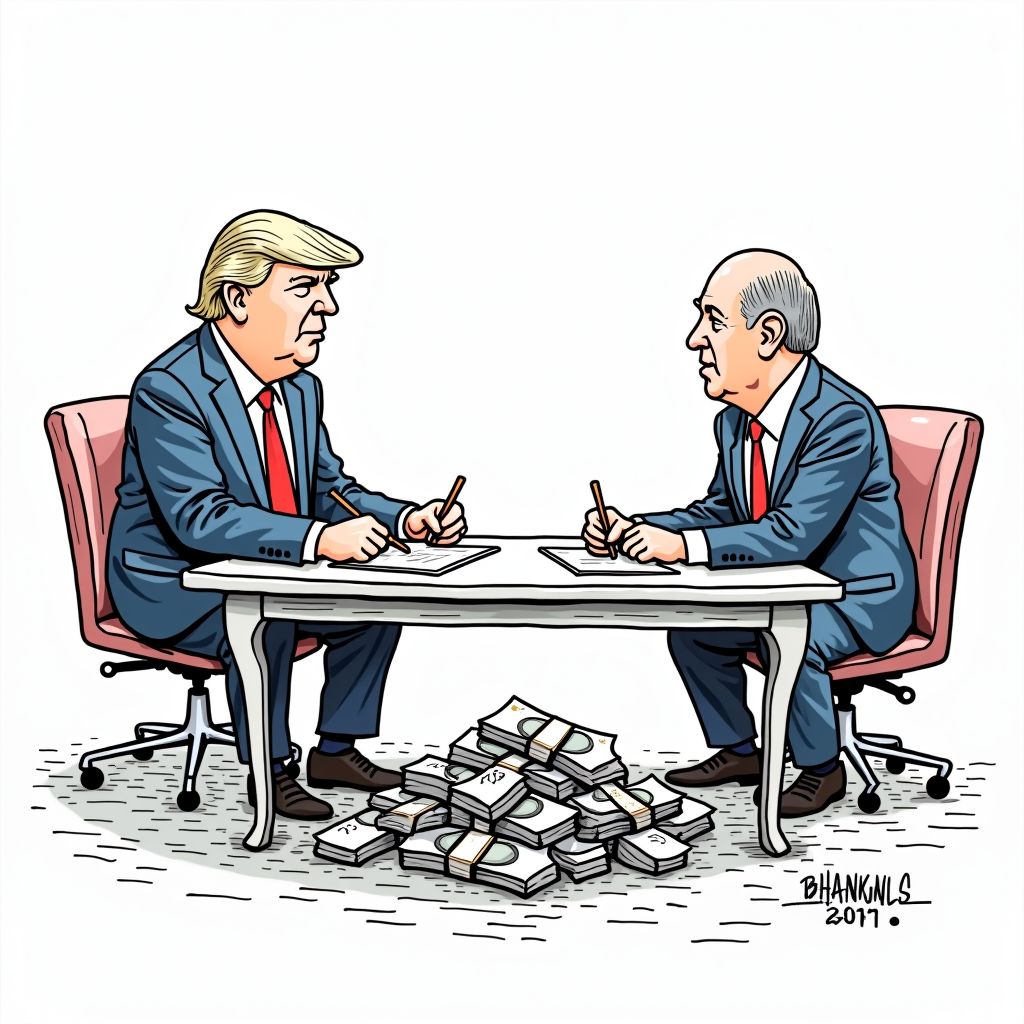
On January 14, 2026, President Trump issued an executive order deferring tariffs on critical minerals like lithium and rare earths, opting instead to secure supply chains through international partnerships. This decision offers immediate relief to the technology and electric vehicle sectors, which faced potential cost spikes from trade barriers. The administration’s strategy now pivots to negotiating agreements with allied nations, potentially utilizing price floors to combat volatility, a topic recently addressed by G7 finance ministers. This move follows a Section 232 investigation that identified heavy reliance on foreign processing—specifically China’s control over 80% of rare earths—as a national security vulnerability. While tariffs are off the table for now, the administration retains the option to intervene if diplomatic efforts fail to bolster domestic inventory and reduce dependence on adversarial sources.
Strategic Negotiations Over Trade Barriers
To execute this pivot, the President has explicitly empowered Commerce Secretary Howard Lutnick and U.S. Trade Representative Jamieson Greer to lead negotiations with trading partners [1][4]. The directive, formalized in the executive order signed Wednesday, instructs these officials to pursue agreements that mitigate the United States’ vulnerability to supply chain disruptions [2][4]. A central component of these negotiations involves the potential implementation of “price floors” for critical minerals [1][4]. This mechanism aims to counter the “unsustainable price volatility” identified in Secretary Lutnick’s October 2025 report, which highlighted how market fluctuations have historically undermined domestic production efforts [1].
Divergent Strategies: Minerals vs. Semiconductors
While the White House opted for diplomacy regarding minerals, it took a decidedly more aggressive stance on the semiconductor industry on the same day. On January 14, President Trump signed a separate proclamation imposing a 25% tariff on a specific subset of foreign semiconductors, primarily artificial intelligence chips from companies like Nvidia and AMD that are imported and then re-exported [5][6]. This tariff, effective January 15, 2026, illustrates a bifurcated trade strategy: utilizing tariffs to generate revenue from high-value technology exports to China, while avoiding upstream costs on the critical raw materials essential for national security and the green energy transition [6].
Reviving Domestic Capacity
Domestically, the administration continues to rely on direct government intervention to rebuild the industrial base. Following the findings of the Section 232 investigation launched in April 2025, the U.S. has moved toward direct funding and strategic offtake agreements [1][7]. Notably, the Department of Energy finalized a landmark deal with MP Materials in July 2025 that included a 10-year price floor contract to insulate the company from market manipulation [7]. Additionally, the administration has taken a $150 million equity stake in a gallium production facility, signalling a willingness to use state capital to ensure the availability of minerals deemed vital for economic and national security [7].
Sources
- www.reuters.com
- www.bloomberg.com
- www.ttnews.com
- www.eenews.net
- www.barrons.com
- www.nytimes.com
- www.hsfkramer.com