Reviving a Dormant Law to Protect Rural Grocery Shelves
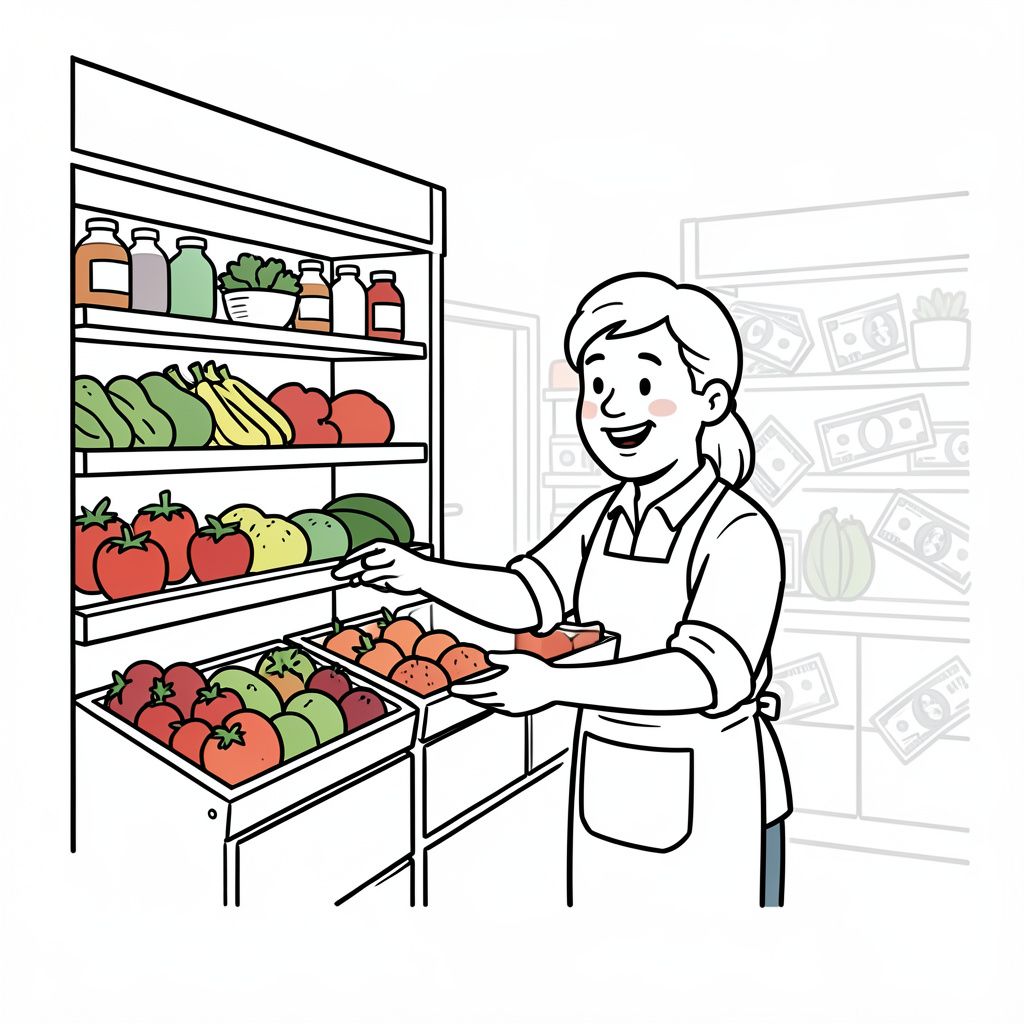
Washington, Friday, 30 October 2026.
As rural food insecurity reaches nearly 16 percent, federal regulators are reviving a 90-year-old fair pricing law to curb preferential wholesale discounts that leave small-town grocery stores underserved.
Rural Food Insecurity: A Crisis Decades in the Making
Rural household food insecurity in the United States has climbed from 12% in 2019 to nearly 16% in 2024, according to data from the U.S. Department of Agriculture (USDA) [1][2][5]. This 33.333 = 33.33% increase over five years reflects a widening economic gap in grocery access, particularly for perishable goods like produce, meat, and dairy. These items incur disproportionately higher distribution costs in rural areas due to low-volume orders and inefficient logistics, compounded by decades of deregulatory policies that prioritized urban supply chain efficiency over rural needs [1][2]. The crisis is not isolated; seven states—West Virginia, Arizona, Texas, Michigan, North Dakota, South Dakota, and Montana—are currently underserved by national distributors for refrigerated food categories, with some rural Wisconsin counties receiving less than 4.2 kilograms (9.2 pounds) of leafy greens per person annually, compared to 9 to 17 kilograms (19 to 37 pounds) in urban areas near Milwaukee and Madison [1][2].
The Robinson-Patman Act: A Dormant Weapon Against Price Discrimination
The Robinson-Patman Act of 1936, a cornerstone of antitrust law, prohibits wholesale suppliers from offering discriminatory pricing to large retailers while denying smaller competitors the same discounts [1][2]. Originally designed to protect independent grocers from predatory practices by dominant chains, the law’s enforcement waned in the 1970s amid a shift toward deregulation and Chicago School economic theories [1][2]. This decline coincided with the 1980 Motor Carrier Act, signed by President Jimmy Carter, which removed the requirement for trucking companies to serve specific regions—a provision that had previously ensured rural areas received essential services [1][2]. The combination of these policies created a supply chain vacuum in rural America, where perishable goods often go undelivered due to unprofitability [1][2]. Today, policymakers are revisiting the Robinson-Patman Act as a potential tool to address these disparities, though its revival faces legal and economic hurdles [1][2].
FTC Enforcement: A Crackdown on Preferential Pricing
In October 2026, the Federal Trade Commission (FTC) took decisive action against Southern Glazer’s Wine and Spirits, settling a Robinson-Patman Act case that alleged the distributor favored large chains like Total Wine, Walmart, and Kroger over smaller independent retailers in 26 states [1][5][6]. The settlement, announced on October 2, 2026, requires Southern Glazer’s to pay restitution to smaller retailers if discriminatory pricing is found and mandates biannual reporting to an independent monitor for six years [6]. FTC Chairman Andrew Ferguson, appointed in January 2025, initially opposed the lawsuit but ultimately deemed the settlement the best outcome for protecting small businesses [6]. This case marks a rare enforcement of the Robinson-Patman Act in recent decades and signals a potential shift in antitrust priorities under the current administration [1][5][6].
Policy Reforms and the Path Forward
The resurgence of antitrust scrutiny comes amid broader policy debates over rural food access. In May 2025, the Trump administration controversially canceled the USDA’s annual food security survey, raising concerns about data transparency [1][2]. Meanwhile, proposals to reinstate rural delivery requirements under the Motor Carrier Act, classify rural grocery delivery as a public utility, or enforce the Robinson-Patman Act more aggressively are gaining traction among advocates [1][2]. Critics argue that without structural reforms, the consolidation of grocery chains into data-driven ‘megacorporations’ like Kroger—which controls 43% of the Central Ohio market and earns hundreds of millions from ‘precision marketing’ using shopper data—will further marginalize rural communities [1][2][8]. The American Economic Liberties Project has urged regulators to block Kroger’s proposed $1.65 billion merger with Giant Eagle, citing risks of higher prices, reduced competition, and invasive surveillance practices [8]. As of October 30, 2026, the merger remains unresolved, with calls for the FTC or Ohio Attorney General to intervene [8].
Economic Implications: Who Bears the Cost?
The economic ripple effects of these antitrust shifts are already being felt. For emerging brands, effective wholesale prices can drop 15-20% below invoice prices due to slotting fees, compliance chargebacks, and marketing fund contributions demanded by big retailers [5]. Meanwhile, small grocers face bankruptcy risks when financing inventory at 12% interest rates while waiting 90 days for payments after deductions [5]. On the consumer side, McDonald’s recent antitrust lawsuit—filed on October 2, 2026—highlights how AI-driven pricing algorithms are exacerbating price disparities, with a 21% difference in Big Mac prices ($6.89 - $5.69 = $1.20 difference) observed between two Fresno, California, locations just 3.2 kilometers apart [4]. As regulators grapple with these issues, the balance between protecting small businesses, ensuring fair pricing, and maintaining supply chain efficiency remains precarious [1][2][4][5][6][8].
Sources
- fortune.com
- theconversation.com
- www.foodmanufacturing.com
- www.google.com
- www.google.com
- www.foodmanufacturing.com
- www.google.com