Ottawa Declares Stellantis in Default Over Brampton Factory Divestment
Ottawa, Thursday, 12 November 2026.
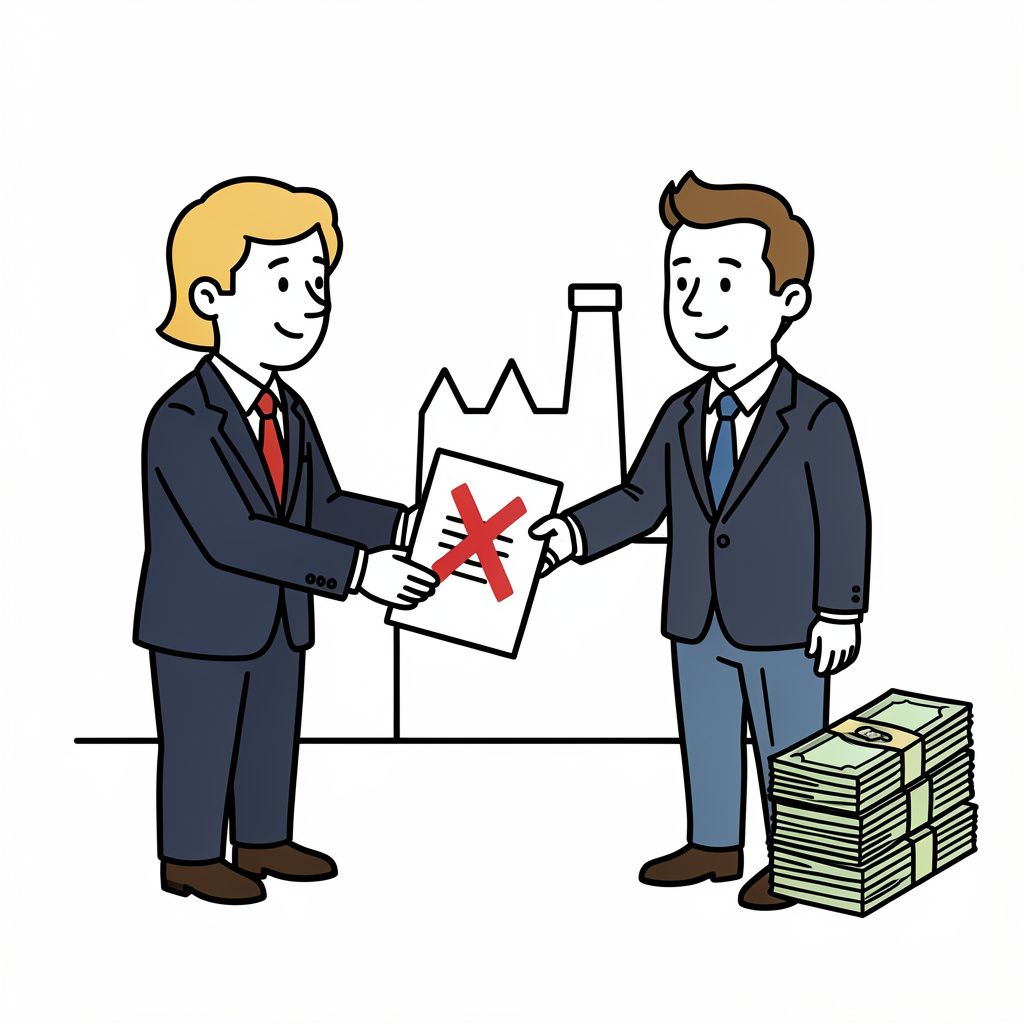
Canada declared Stellantis in default of its subsidy agreement after the automaker agreed to sell its Brampton plant to an armored vehicle maker, despite offering to repay $222 million.
Government Terminates Resolution Process
Canada’s federal government formally terminated the resolution process with Stellantis (NYSE: STLA) on Wednesday, 11 November 2026, declaring the automaker in default of a 2022 bilateral funding agreement [1][3]. Industry Minister Mélanie Joly cited the company’s decision to sell its Brampton, Ontario assembly plant to armored vehicle manufacturer Roshel Inc.—rather than retooling it for electric vehicle production—as a breach of contractual obligations [1][3]. The move follows Stellantis’ announcement on 10 November 2026 that it would proceed with the sale, despite earlier pledges to retain and repurpose the facility [1][3][5].
Breach of Subsidy Agreement and Financial Fallout
The 2022 agreement provided Stellantis with up to $529 million in subsidies for its Brampton and Windsor plants, with stipulations prohibiting closure before 2035 unless deemed commercially unviable [3][5]. However, the automaker has since paused retooling efforts, halted operations in 2023, and ultimately opted to sell the Brampton facility to Roshel Inc., a move Prime Minister Mark Carney described as ‘a betrayal’ during a press conference in Dublin on 12 November 2026 [1][3][5]. In response to the controversy, Stellantis announced it would voluntarily repay $222 million in federal subsidies received between 2023 and 2025, though critics argue this does not address the broader breach of contract [3][5].
Workforce Impact and Political Fallout
The Brampton plant’s closure in 2023 left over 2,000 workers out of work, with roughly 1,800 remaining on layoff, receiving 70% of their pay and benefits [3][5]. The sale to Roshel Inc. risks permanently displacing these workers, as the armored vehicle manufacturer has not assumed Stellantis’ obligations to the workforce [5]. Conservative Leader Pierre Poilievre seized on the issue, demanding Industry Minister Joly’s resignation and accusing the Liberal government of mismanaging public funds [2][4]. Meanwhile, the Ontario NDP criticized Stellantis for abandoning written commitments to workers, framing the sale as a devastating betrayal [2].
Legal and Policy Recourse
Prime Minister Carney has pledged to use ‘whatever legal and policy levers available’ to protect affected workers, though the specific mechanisms remain unclear [6]. Industry Minister Joly has stated that the government will ‘use the full force of the law’ to enforce its rights under the subsidy agreement, signaling potential litigation against Stellantis [3][5]. Stakeholders, including the Automotive Parts Manufacturers’ Association, have warned that the sale could destabilize Canada’s broader automotive supply chain, further complicating efforts to mitigate job losses [5]. A meeting convened by Minister Joly on 12 November 2026 aims to address these concerns, though its outcomes remain uncertain [1][3].