Ebola Outbreak in Congo and Uganda Reaches Crisis Levels with No Vaccine in Sight
Kinshasa, Wednesday, 17 June 2026.
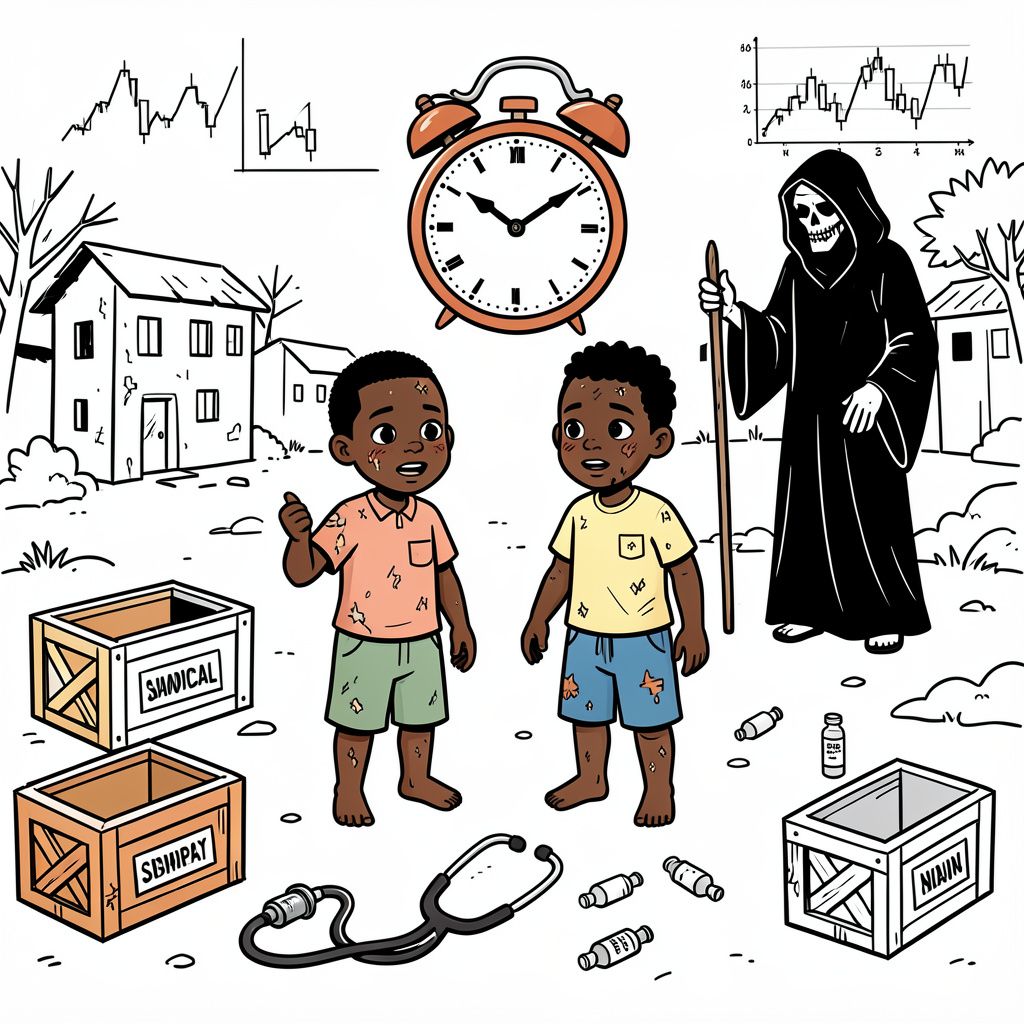
The Ebola outbreak in the Democratic Republic of Congo and Uganda has surged to nearly 800 confirmed cases, with a fatality rate exceeding 23%. Alarmingly, the Bundibugyo strain of the virus has no licensed vaccine or treatment, leaving vulnerable populations, especially children, at severe risk. Health organizations warn the crisis could persist for a year due to delayed testing, inadequate resources, and conflict in affected regions. International aid is flowing in, but experts say it’s not enough to contain the rapid spread, making this the third-largest Ebola outbreak in history.
A Virus Without a Shield: The Vaccine Gap That’s Fueling the Crisis
The current Ebola outbreak in the Democratic Republic of Congo (DRC) and Uganda is uniquely dangerous because it involves the Bundibugyo strain of the virus - one of the six known Ebola virus species and the only one without a licensed vaccine or approved therapeutic treatment [1][3]. This critical gap in medical defenses leaves healthcare workers and affected communities fighting the virus with only supportive care measures, such as hydration and symptom management, which have limited effectiveness against the disease’s high fatality rate [3]. The Bundibugyo strain has previously caused outbreaks in Uganda (2007) and DRC (2012), but the current epidemic represents its largest recorded emergence, with 837 confirmed cases and 196 deaths as of June 15, 2026 [1]. The absence of targeted medical interventions means that containment efforts must rely entirely on traditional public health measures - contact tracing, isolation, and community engagement - which have proven difficult to implement effectively in the conflict-affected regions of eastern DRC [1][2].
The Children’s Crisis: How the Youngest Victims Are Bearing the Brunt
Children have emerged as the most vulnerable victims of this outbreak, with at least 52 confirmed cases among children and 16 among toddlers and infants [2]. The impact on young populations extends beyond direct infections: many children are losing parents and caregivers to the disease, creating a secondary crisis of orphaned and vulnerable minors [2]. Greg Ramm, Save the Children’s Country Director in the DRC, described the situation as ‘a wider social crisis with significant consequences for children, caregivers and communities’ [2]. The higher fatality rate among children - who are more likely to die from Ebola infections than adults - compounds the tragedy [2]. In Ituri province, where many of the cases are concentrated, families face impossible choices between caring for sick relatives and protecting themselves from infection, often resulting in entire households being wiped out [6]. The outbreak’s impact on children reflects broader systemic failures in the region, where decades of conflict have left health systems fragile and communities deeply distrustful of medical interventions [2][6].
The Testing Bottleneck: How Delays Are Accelerating Transmission
One of the most critical weaknesses in the response effort is the persistent delay in testing, which has allowed the virus to spread undetected for weeks [2]. Despite recent improvements in laboratory capacity and the deployment of hundreds of mobile test kits specifically designed for the Bundibugyo virus, significant gaps remain [2]. Kate White, emergency medical coordinator for Médecins Sans Frontières (MSF) in the DRC, highlighted that ‘many communities, especially those affected by ongoing insecurity, still have limited access to these kits, while treatment centers continue to face significant delays in receiving laboratory results’ [2]. The situation is particularly acute in Ituri province, where only 43.2% of known contacts were successfully monitored as of June 8, 2026 - a stark contrast to the 79% contact tracing rate achieved one month into the 2018 Ebola outbreak [6]. These delays create a dangerous feedback loop: undetected cases continue to transmit the virus, overwhelming already strained treatment centers and further eroding community trust in health authorities [1][2]. The World Health Organization (WHO) has identified this testing bottleneck as a major obstacle to containment, with Director-General Tedros Adhanom Ghebreyesus expressing grave concern after visiting affected areas [2].
Conflict and Collapse: How War Is Undermining the Ebola Response
The Ebola outbreak is unfolding in one of the most dangerous and unstable regions of the world, where decades of armed conflict have left health systems in ruins and communities deeply traumatized [2][6]. In the provinces of North Kivu, South Kivu, and Ituri - the epicenters of the current outbreak - Ebola is competing for attention with more immediate threats: armed violence, widespread hunger, and other deadly diseases that claim lives daily [2]. WHO Director-General Tedros Adhanom Ghebreyesus observed during his visit to the DRC that ‘when the community is not taking it as its priority, it’s very hard’ to mount an effective response [2]. The region’s health infrastructure has been systematically targeted, with over 70 health facilities destroyed by conflict and only 0.2 physicians available per 1,000 people - well below the WHO’s recommended minimum [6]. This collapse of basic health services has created perfect conditions for the virus to spread unchecked, particularly in areas controlled by armed groups where health workers cannot safely operate [2][6]. The situation is further complicated by the withdrawal of US funding for disease surveillance programs, which has crippled contact tracing efforts and left many cases undetected [6].
International Aid: Too Little, Too Late?
The international response to the Ebola crisis has been characterized by both generosity and glaring inadequacies. The United States has committed $300 million specifically for the Ebola response in the DRC, with an additional $700 million earmarked for broader humanitarian aid related to the health crisis [1]. The United Arab Emirates has contributed 20 tons of essential medical supplies, including protective equipment, disinfectants, and medical tents [1]. The European Union has also provided support through the WHO and UNICEF, delivering critical aid to treatment centers in Ituri province [7]. However, these contributions have not been sufficient to match the scale of the crisis. Doctors Without Borders has warned that ‘the current response to combat the epidemic is inadequate given the rapid spread of the virus’ [1]. The situation is exacerbated by a 46% reduction in global humanitarian funding for the DRC, from $2.58 billion in 2024 to just $1.4 billion in 2026 - the lowest level in a decade [6]. Local NGOs, which are often best positioned to respond to community needs, receive less than 6% of available resources, leaving many grassroots efforts underfunded and unsupported [6]. The funding shortfall has had concrete consequences: contact tracing teams have been reduced, community outreach programs have been scaled back, and many health facilities lack basic supplies [6]. As Manel Rebordosa of Oxfam noted, ‘When trusted community outreach teams disappear, rumors spread faster than the virus’ [6].
The Road Ahead: Can the Outbreak Be Contained?
Health organizations have warned that the current Ebola outbreak may take up to a year to control, given the combination of medical, logistical, and security challenges [1]. The situation is particularly precarious in Ituri province, where eight treatment centers are now operating but remain overwhelmed by the number of cases [7]. The Rwampara treatment center, one of the largest in the province, currently houses 22 patients but has faced violent protests from local communities who view healthcare facilities with suspicion [7]. These tensions reflect a broader crisis of trust: many families now see hospitals as ‘deathtraps’ and are turning to traditional remedies instead of seeking medical care, which delays treatment and allows the virus to spread further [6]. The psychological toll on healthcare workers has been severe, with at least 20 doctors and nurses killed in the line of duty during this outbreak, prompting the deployment of psychologists to support staff and their families [7]. Despite these challenges, there are signs of progress: tensions have eased in some areas, and international aid continues to flow into the region [7]. However, experts agree that without a dramatic increase in resources, improved security for health workers, and a renewed focus on community engagement, the outbreak will continue to spread unchecked [1][2][6]. The stakes could not be higher: with nearly 800 confirmed cases and a fatality rate exceeding 23% 23.417, this outbreak is already the third-largest in Ebola history, and its trajectory remains alarmingly uncertain [1][2].