The Home Energy Boom: How Everyday Consumers Are Rescuing Australia's Renewable Targets
Canberra, Friday, 8 May 2026.
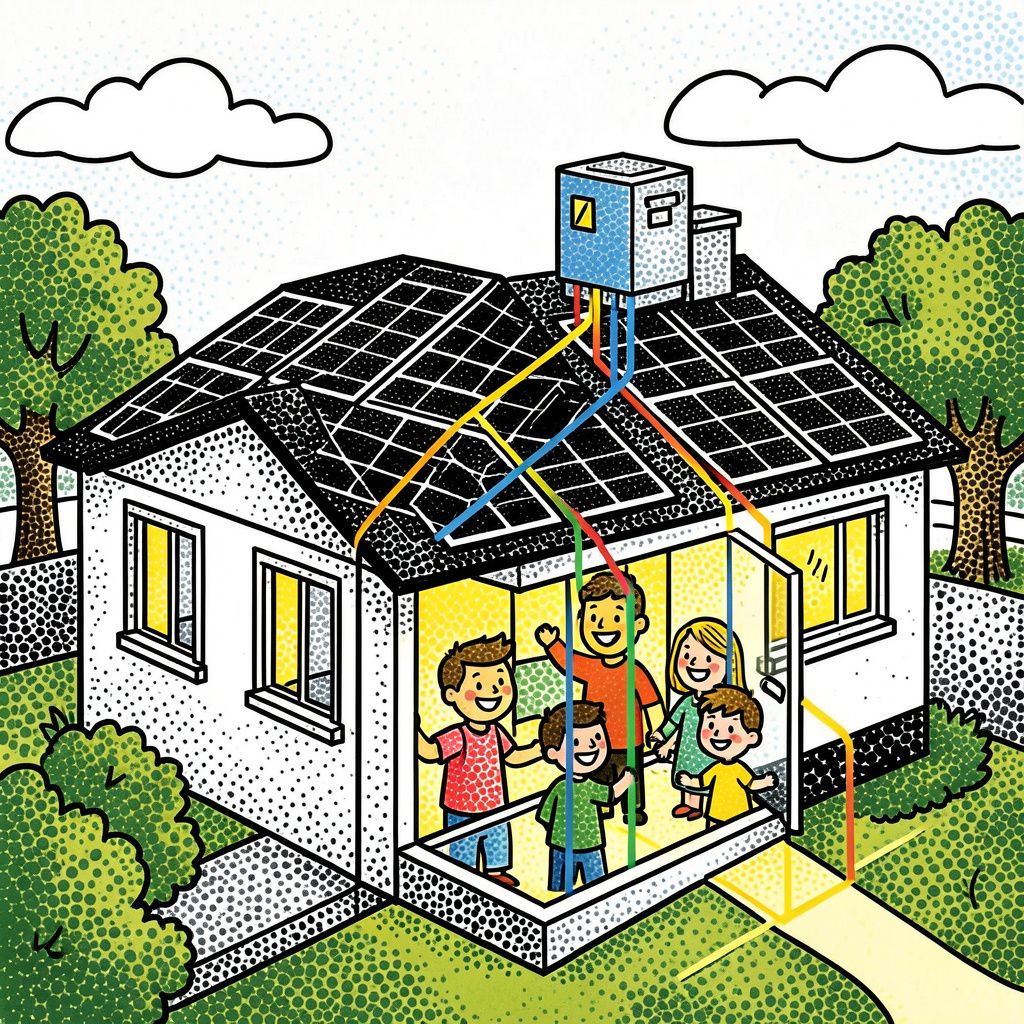
An unprecedented surge in Australian home battery and solar installations is vastly outpacing official estimates, rescuing national climate goals and fundamentally reshaping the economics of the traditional power grid.
Shattering Official Projections
Australia currently boasts the highest per-capita uptake of rooftop solar globally [3]. Historically, the Australian Energy Market Operator’s Integrated System Plan (ISP) assumed the national grid would require approximately 28 gigawatts (GW) of large-scale renewables, supplemented by less than 10 GW of additional rooftop solar and roughly 5 gigawatt-hours (GWh) of home battery storage, to meet the federal target of 82 percent renewable energy by 2030 [1]. However, recent data has completely upended these utility-centric forecasts. By May 2026, national home battery storage capacity had already reached 11 GWh—more than double the ISP’s baseline assumption—and is now projected to hit 40 GWh, which is eight times the initial estimate [1].