OpenAI Secures Defense Role After Pentagon Bans Rival Anthropic
Washington D.C., Monday, 2 March 2026.
OpenAI finalized a classified defense deal immediately after the administration designated rival Anthropic a “supply chain risk,” fundamentally altering the trajectory of military AI integration.
Strategic Realignment in Defense AI
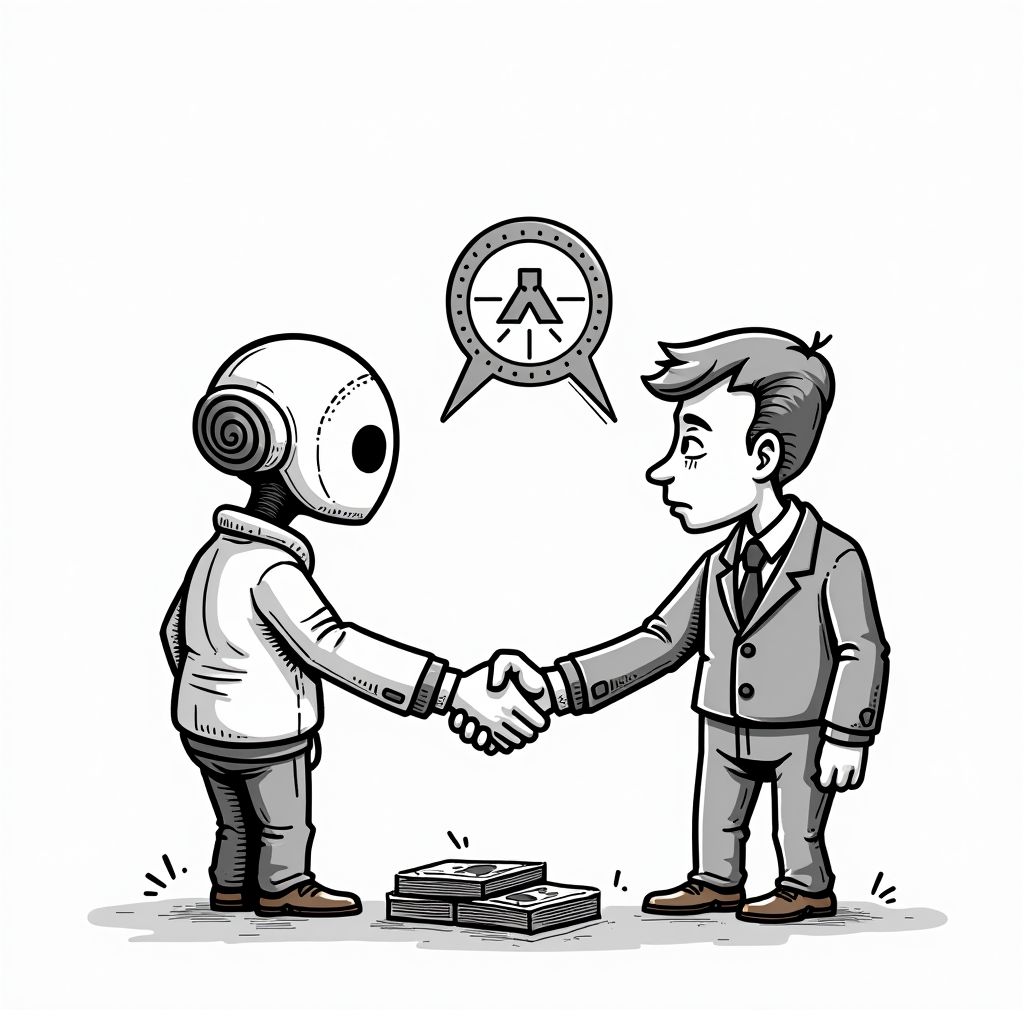
Building on our previous coverage regarding the administration’s sudden pivot away from Anthropic, new details have emerged regarding the rapid finalization of OpenAI’s partnership with the Department of Defense. On February 28, 2026, just one day after negotiations between the Pentagon and Anthropic collapsed, OpenAI announced a definitive agreement to deploy its models in classified environments [2]. CEO Sam Altman candidly admitted that the deal was “definitely rushed” and acknowledged that “the optics don’t look good,” stating that the company’s primary goal was to de-escalate rising tensions between the Department of War and the AI industry [2][5]. Despite the speed of the agreement, OpenAI maintains that the contract includes strict “red lines” prohibiting the use of its technology for mass domestic surveillance, autonomous weapon systems, or high-stakes automated decisions such as social credit systems [2][5].
Architectural Safeguards and Public Backlash
While critics, including Techdirt’s Mike Masnick, have raised concerns that the deal’s compliance with Executive Order 12333 could legally permit domestic surveillance, OpenAI executives are emphasizing technical constraints over contractual language [2]. Katrina Mulligan, OpenAI’s head of national security partnerships, argues that the deployment architecture is the true safeguard; by limiting access to a cloud API, the company asserts its models cannot be directly integrated into operational hardware like weapon sensors [2]. However, the market has reacted swiftly to what is perceived by some as a capitulation to military demands. By March 1, 2026, consumer backlash drove Anthropic’s Claude application to overtake OpenAI’s ChatGPT on the Apple App Store, signaling a distinct divergence between public sentiment and government procurement priorities [2].
The Anthropic Fallout
The administration’s stance against OpenAI’s rival has hardened significantly. Following the designation of Anthropic as a “supply chain risk” by Secretary of War Pete Hegseth, the company saw its $200 million contract with the Pentagon cancelled [4]. The directive effectively bars any contractor doing business with the U.S. military from conducting commercial activity with Anthropic, a company recently valued at $380 billion following a $30 billion funding round in February [4]. This unprecedented move has led analysts like Shenaka Anslem Perera to warn that the reputational damage could be irreversible, forcing general counsels at major corporations to reassess the risk of utilizing Claude for enterprise operations [4].
Economic Indicators Amidst Geopolitical Volatility
These shifts in the technology sector are occurring against a backdrop of severe geopolitical instability and mixed economic signals. Markets are currently reacting to “Operation Epic Fury,” a joint U.S.-Israel strike on February 28 that resulted in the death of Iran’s Supreme Leader and subsequent retaliatory actions [1]. The conflict, which President Trump warned could last up to four weeks, has caused U.S. crude oil prices to surge and defense stocks to rally as of March 1 [1]. Conversely, traditional economic stalwarts are showing signs of strain; Berkshire Hathaway reported that its operating earnings fell nearly 30% in the last quarter, with profits from insurance underwriting dropping by a staggering 54% [1]. This dichotomy presents investors with a complex landscape: a booming, albeit controversial, defense-tech sector contrasted with struggling legacy insurance markets and heightened global conflict risks.