Aston Martin Imposes Lap Limits as Severe Vibrations Pose Nerve Damage Risk
Melbourne, Thursday, 5 March 2026.
Violent vibrations in the new car threaten permanent nerve damage after just 15 laps, forcing Aston Martin to strictly cap driver stints during the Australian Grand Prix.
Operational Crisis Down Under
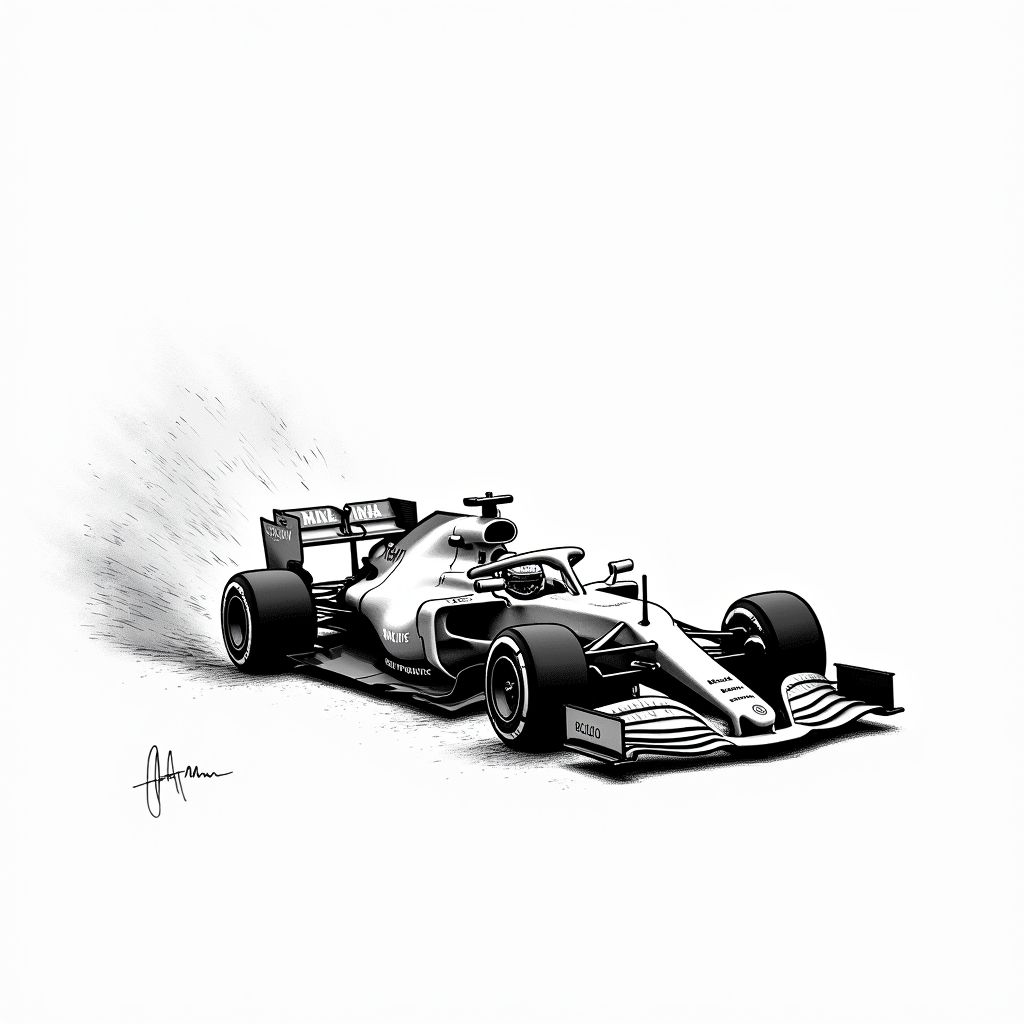
The 2026 Formula 1 season opener has devolved into a critical safety management exercise for the Aston Martin team. On March 4, 2026, team principal Adrian Newey confirmed that the outfit will be forced to heavily restrict driver mileage during the Australian Grand Prix due to severe chassis vibrations generated by the new Honda power unit [1][2]. The issue is not merely a matter of driver comfort but of long-term physical safety; the vibrations are violent enough to pose a risk of permanent nerve damage to the hands of drivers Fernando Alonso and Lance Stroll [3][5]. This development casts a shadow over the debut of the AMR26 car, raising doubts about the team’s ability to complete the scheduled 58-lap race distance in Melbourne [4].
Physiological Limits and Structural Failures
The medical parameters established by the team paint a stark picture of the engineering failure. Lance Stroll, who previously underwent wrist surgery following a cycling accident in 2023, has expressed that he cannot exceed 15 laps before hitting the threshold for potential permanent nerve damage [2][4]. His teammate, 44-year-old Fernando Alonso, has a slightly higher tolerance but is limited to 25 consecutive laps [1][2]. Alonso has already reported experiencing numbness in his hands and feet after driving the car during pre-season testing, noting that the long-term consequences of such exposure remain unknown [1][5]. The violence of the vibrations extends beyond human physiology to the machine itself; the oscillations have been severe enough to cause mirrors and tail lights to physically detach from the car, while also damaging battery-related components [1][4].
The Amplifier and the Receiver
Adrian Newey has provided a technical diagnosis of the phenomenon, clarifying that while the Honda power unit (PU) is the origin of the kinetic energy, it acts specifically as the “amplifier” of the vibration, with the chassis serving as the “receiver” [4]. The root of the struggle appears to be the integration of the new 2026 engine regulations, which mandate a 50-50 power split between the internal combustion engine (ICE) and the electrical motor [2]. Honda has reportedly struggled with this transition; industry rumors suggest the electrical component of their engine is approximately 50 kW (67 bhp) down on power compared to rivals, although Honda Racing President Koji Watanabe has declined to comment on these specific figures [2][5]. Newey described a “self-fulfilling downward spiral” created by this deficit: a lack of ICE power forces the system to over-utilize electrical energy to compensate, draining the battery prematurely on straights [2][5].
Development Delays and Weekend Outlook
The technical setbacks are compounded by a significant lag in the team’s development timeline. While competitor teams began wind tunnel testing for their 2026 contenders in January 2025, Aston Martin was unable to utilize its facility for the new model until mid-April 2025, resulting in a deficit of roughly four months in aerodynamic development [2][5]. Consequently, Newey projects that Aston Martin is currently the “fifth-best team” on the grid, with a performance gap of approximately three-quarters of a second to a full second behind the leaders [2][3]. Honda implemented countermeasures over the past week in Japan to address the vibration issues, but the effectiveness of these fixes will only be determined after track runs scheduled for Friday, March 6 [2][5]. Until the source of the vibration is isolated and resolved, the team accepts that their race mileage will remain strictly capped to protect their drivers [1][3].