DataMeds AI Enters Lucrative Custom Medicine Market with First Therapy Sale
New York, Monday, 9 November 2026.
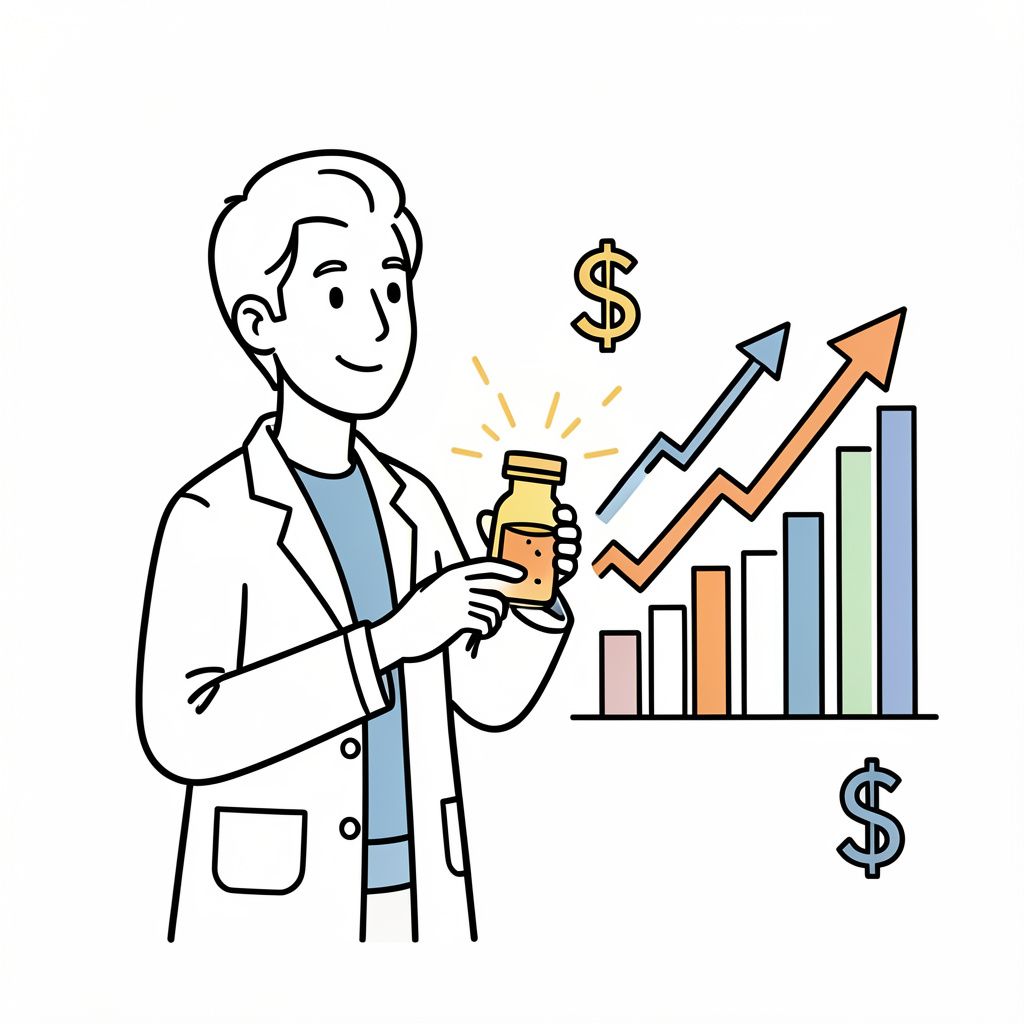
DataMeds AI completed its first commercial sale of unapproved custom therapies, leveraging federal regulatory flexibility to tap into an expanding compounding market projected to surpass $31 billion.
A Strategic Pivot into Personalized Medicine
On November 9, 2026, Tampa-based DataMeds AI, Inc. (NASDAQ: MEDS) marked a pivotal moment in its corporate trajectory by executing its first commercial sale of compounded peptides through its subsidiary Corexa Pharmacy. The sale, which occurred under the U.S. Department of Health and Human Services’ Enforcement Discretion Policy (EDP), represents a calculated entry into the $18.02 billion compounding pharmacy market—a sector projected to expand at a compound annual growth rate of 76.304% to exceed $31.77 billion by 2034 [1][4]. This move underscores the company’s strategic focus on personalized medicine, a segment where regulatory flexibility meets growing patient demand for tailored therapeutic solutions [alert! ‘The FDA has not approved these peptides, and their safety/efficacy remain unvalidated by the agency’].
Regulatory Backdrop and Market Dynamics
The commercialization of these therapies hinges on the FDA’s Pharmacy Compounding Advisory Committee (PCAC) recommendation, issued in July 2026, which included six specific peptides: BPC-157, TB-500, KPV, MOTS-c, Epitalon, and Semax. These compounds, while not FDA-approved, were deemed suitable for compounding under Section 503A of the Federal Food, Drug, and Cosmetic Act, provided they are prescribed for individual patients [2][5]. Gerald Commissiong, Interim Co-CEO of DataMeds, emphasized the significance of this milestone, stating that Corexa Pharmacy has ‘worked through the mechanics of dispensing the Six Peptides in compliance with HHS’ recently published Enforcement Discretion Policy’ [1][5]. The company’s approach aligns with a broader industry trend, where compounding pharmacies are increasingly positioned as regulated alternatives to unregulated online peptide suppliers, addressing a critical gap in the market [alert! ‘The EDP is a temporary policy and may evolve, introducing regulatory risk’].
Operational Infrastructure and Future Plans
Corexa Pharmacy’s commercial sale is supported by DataMeds AI’s integrated digital and physical infrastructure, including the Health Lives Here mobile application, which leverages the EinsteinRx™ AI platform and PharmacyChain™ blockchain-enabled smart contracts to streamline prescription fulfillment and safety reporting [1][3]. The company’s distribution network, anchored by a Lakeland, Florida warehouse, is designed to serve over 6,500 independent pharmacies nationwide, enabling scalable access to compounded therapies [2][5]. Commissiong further noted that the company is ‘working through the pricing model’ and intends to ‘begin actively marketing its offering in a compliant fashion in the very near future,’ with a focus on engaging prescribing physicians who can provide patient-specific oversight [1][5]. This strategy reflects a deliberate shift from traditional bulk pharmaceutical distribution to a patient-centric, technology-driven model, positioning DataMeds at the intersection of healthcare innovation and regulatory adaptation.
Investor Implications and Market Sentiment
For investors, the commercialization of compounded peptides represents both an opportunity and a risk. While the compounding pharmacy market’s projected growth to $31.77 billion by 2034 offers substantial revenue potential [4], the regulatory uncertainty surrounding unapproved therapies looms large [alert! ‘The FDA’s stance on enforcement discretion could change, impacting commercial viability’]. DataMeds AI’s stock, trading under the ticker MEDS, reflects this dichotomy, with Morningstar reporting a market capitalization of $5.33 million as of the company’s latest filing [3]. The company’s broader ecosystem, which includes Helomics Corporation—a Pittsburgh-based clinical diagnostics laboratory—adds a layer of diversification, though its direct financial contribution to the peptide initiative remains unspecified [GPT]. As DataMeds navigates this uncharted territory, its success will likely hinge on balancing regulatory compliance with operational scalability, a challenge that will test the mettle of its leadership and the resilience of its infrastructure.