Iran Enforces Mass Shutdowns Across 21 Provinces as Economic Protests Escalate
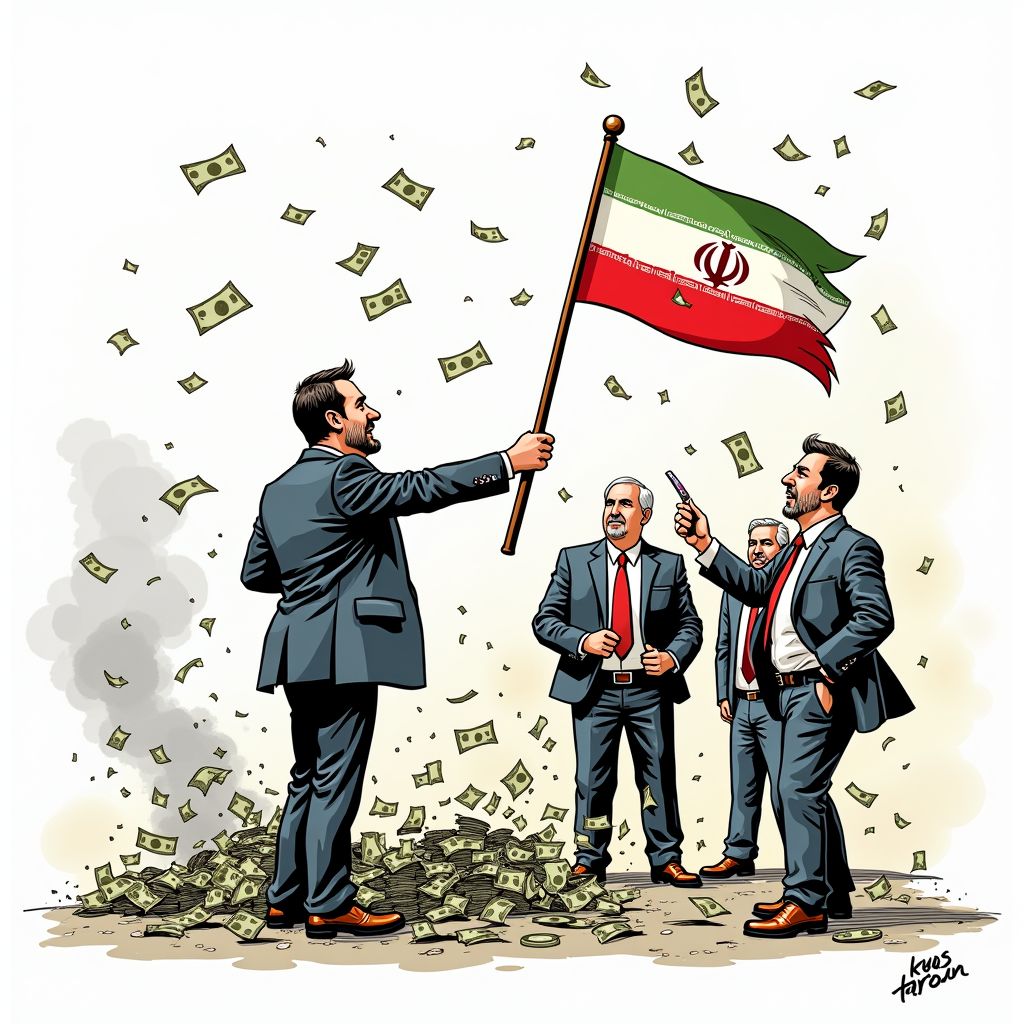
Tehran, Thursday, 1 January 2026.
Authorities ordered shutdowns in 21 provinces as the Rial collapsed to 1.38 million per dollar, fueling the most severe anti-regime unrest and economic instability since 2022.
Economic Paralysis Meets Civil Unrest
As of Thursday, January 1, 2026, the Islamic Republic of Iran faces a convergence of economic collapse and civil defiance that has forced the government to initiate a near-total shutdown of the country. Authorities have ordered the closure of government offices, universities, and businesses across 21 of Iran’s 31 provinces, including the capital, Tehran, in a desperate bid to contain protests that have now entered their fourth consecutive day [1][2]. The unrest, which began on December 28, 2025, was sparked by a catastrophic devaluation of the national currency, with the Iranian rial plunging to trade at approximately 1.38 million to the U.S. dollar [2]. This financial shock has galvanized a broad coalition of dissenters, ranging from bazaar merchants to university students, marking the most significant domestic instability since the widespread demonstrations of 2022 [2][5].
A Currency in Freefall
The catalyst for this week’s upheaval is the precipitous collapse of the rial, which has decimated the purchasing power of ordinary Iranians. By late December 2025, the currency had deteriorated to rates between 1.38 million and 1.445 million rials per U.S. dollar [2][5]. To put this volatility into perspective, the rate has surged dramatically from approximately 430,000 rials per dollar in 2022, representing an increase of roughly 220.93 percent in the exchange rate over just a few years [2]. In response to the crisis, President Masoud Pezeshkian’s administration executed a hasty leadership shake-up at the Central Bank. On December 29, Governor Mohammad Reza Farzin resigned and was replaced on Wednesday by Abdolnaser Hemmati, a move aimed at curbing inflation and stabilizing the market [1][2]. However, the markets reacted with immediate strikes; shopkeepers in Tehran’s Grand Bazaar and commercial hubs like the Aladdin Passage shuttered their businesses, refusing to trade amidst such unpredictability [5].
Escalation to Violence
While the protests began with economic grievances, they have rapidly evolved into violent confrontations with security forces. Wednesday, December 31, marked a turning point with the first confirmed fatalities on both sides. In Kouhdasht, Lorestan province, a 21-year-old member of the paramilitary Basij force was killed during clashes that also left 13 security personnel wounded [1][2]. Simultaneously, reports indicate that security forces used firearms against demonstrators in Isfahan and Fooladshahr, resulting in the death of a young protester identified as Dariush Ansari Bakhtiarvand [5]. The intensity of the anger is palpable; in the city of Fasa, protesters attempted to storm the governor’s office, prompting the Islamic Revolutionary Guard Corps (IRGC) to open fire, while in Hamedan, authorities deployed water cannons to disperse crowds standing their ground [1][2].
Political Ramifications
The slogans echoing through the streets signal a direct challenge to the clerical establishment, moving well beyond economic demands. Protesters in major cities, including Shiraz, Isfahan, and Tehran, have been recorded chanting “Death to the Dictator” and “Death to Khamenei,” explicitly targeting Supreme Leader Ayatollah Ali Khamenei [1][2]. The unrest has also drawn in the academic sector, with students from at least 10 universities joining the strikes. In response, major institutions like Beheshti and Allameh Tabataba’i Universities have announced that all classes will move to remote learning for the coming week to prevent campus gatherings [2]. Attorney General Mohammad Movahedi-Azad has issued a stern warning, stating that while nonviolent livelihood protests are understandable, any actions deemed as “spreading insecurity” will face a “firm and proportionate legal response” [2].
Summary
As Iran moves into 2026, the government finds itself fighting a war on two fronts: a hyper-inflationary economic spiral and a reinvigorated street movement willing to confront security forces directly. The shutdown of 21 provinces effectively pauses the nation’s economy, yet it remains unclear if this pause can arrest the rial’s freefall or quell the public anger fueled by it. With the new Central Bank chief facing what President Pezeshkian calls an “extremely difficult and complex” task, the risk to regional stability remains acute [1].