How High Inflation Is Forcing Young Adults to Change Their Dating Habits
New York, Friday, 9 October 2026.
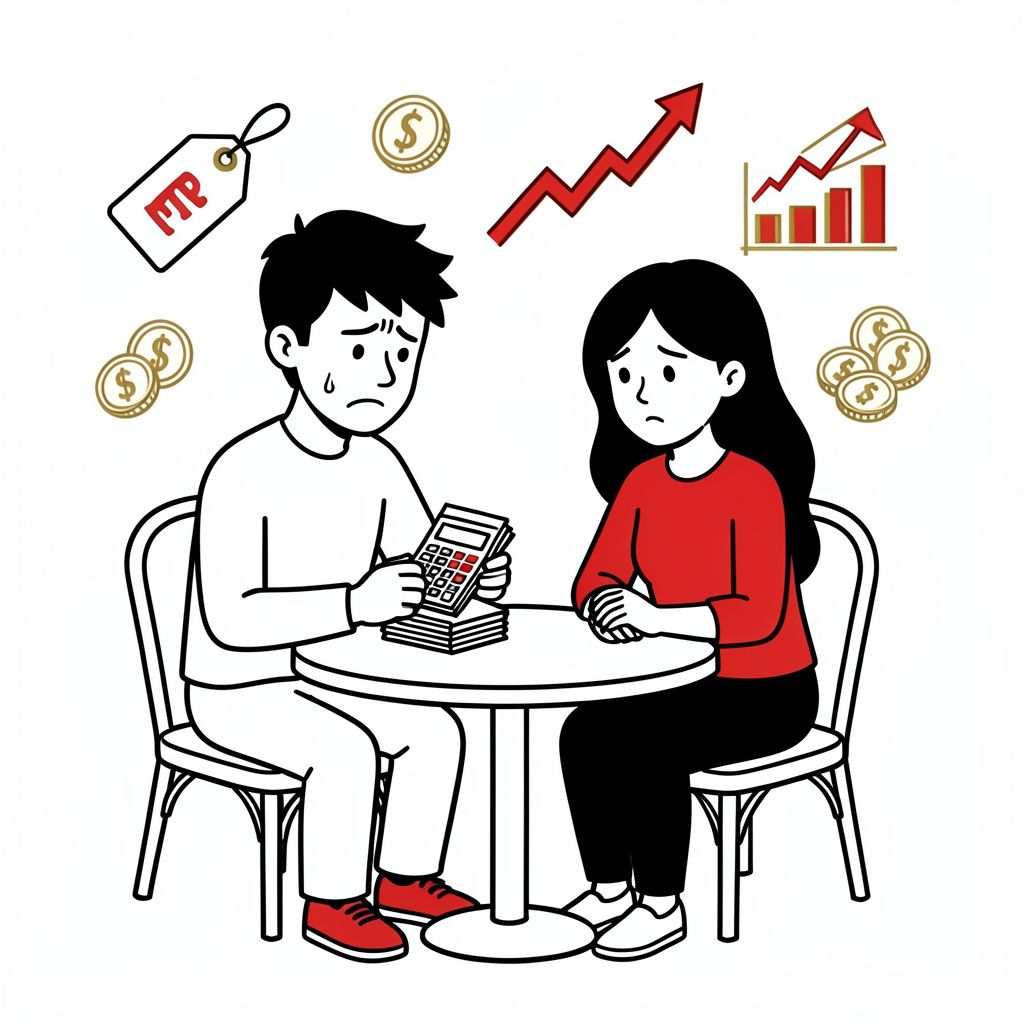
With average date costs topping $189, 84% of young daters are changing their habits due to inflation, and 20% of Gen Z respondents are taking on debt to maintain romance.
The Economics of the Foodie Call
In October 2026, a distinct shift in consumer behavior is visible among Generation Z singles in the United States, driven by sustained economic pressure. The phenomenon, termed the ‘foodie call,’ involves individuals accepting dates primarily to secure free meals amidst rising living costs [1]. With the average cost of a dating outing reported to top $200, young adults are increasingly leveraging social engagements to offset elevated food and entertainment expenses [1]. This trend highlights broader macroeconomic pressures on discretionary spending, where the hospitality sector sees demand influenced by financial necessity rather than leisure alone [4].
Survey Data and Behavioral Shifts
Data from Zelle’s New Economics of Dating Report, released on September 22, 2026, underscores the scale of this adjustment. The survey of 1,800 Gen Z and millennial daters conducted in August 2026 found that 84% say rising costs have changed their dating lives [2]. Furthermore, 11% of respondents reported stopping dating entirely because they could not afford it, indicating a contraction in social participation due to affordability constraints [3]. Financial compatibility is also being prioritized, with 50% of survey respondents indicating that financial fit has been more important than chemistry at least once [2].
Debt and Discretionary Spending
The financial strain extends beyond budgeting into debt accumulation for some demographics. Approximately 17% of respondents have incurred debt to maintain a dating lifestyle, a figure rising to 20% among Gen Z respondents and male respondents specifically [2]. To mitigate these costs, 40% of daters now select cheaper activities, and 38% prefer frequent low-cost dates over rare expensive ones [2]. The BMO Real Financial Progress Index, published on February 11, 2026, noted the average cost of a date reached $189, representing a 12.5% increase from 2025 figures [2].
Market Responses and Future Outlook
Corporate entities are beginning to respond to these economic realities with targeted promotions. Zelle is sponsoring free NYC Ferry rides every Thursday in October 2026 to promote budget-friendly dating options, with events scheduled for October 1, October 8, October 15, October 22, and October 29 [2]. Broader uncertainty persists in the dating market, with other surveys indicating Gen Z is trying various tactics to find love amidst economic anxiety [4]. As of October 9, 2026, these trends suggest a prolonged period of cost-conscious social behavior among young adults [1][2].