Lula Secures Historic Fourth Term Following Unprecedented Runoff Turnaround
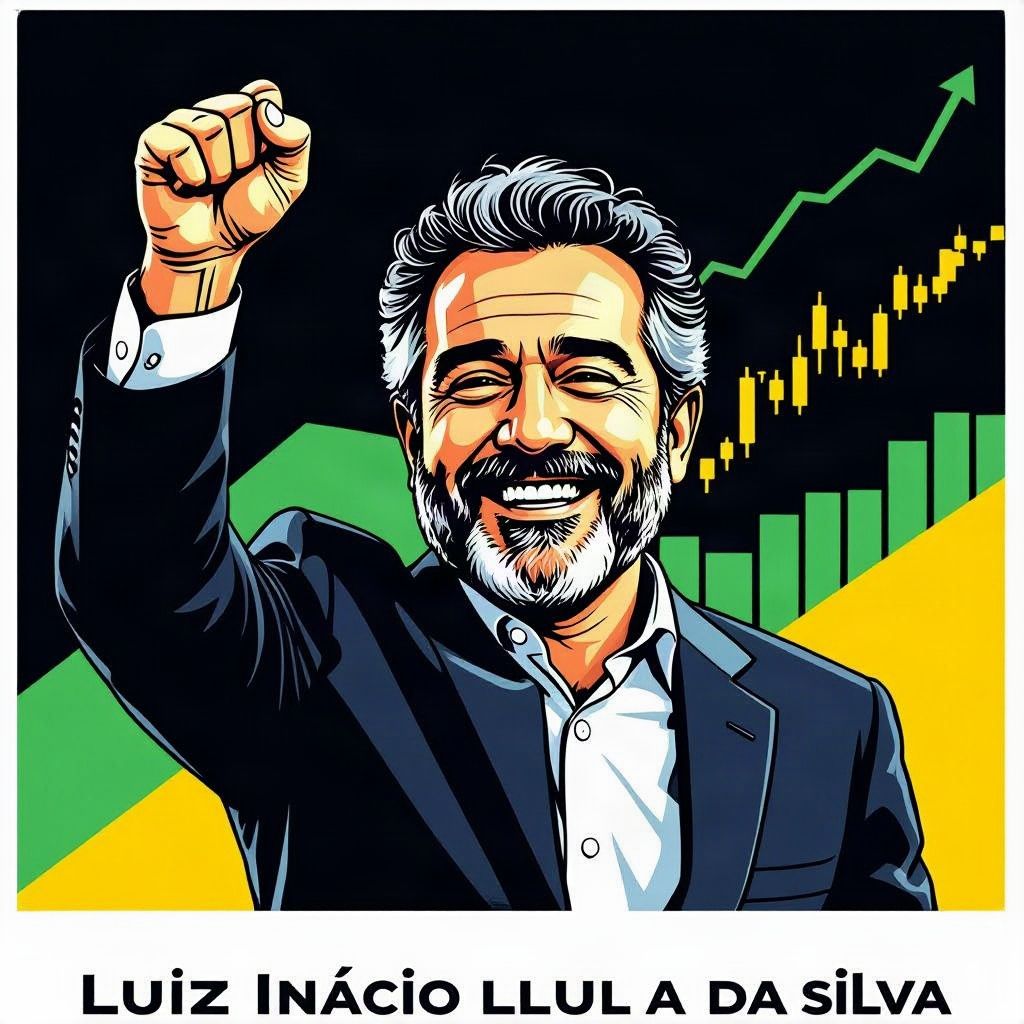
Brasilia, Monday, 26 October 2026.
Overcoming a 2.2 million first-round vote deficit, Luiz Inácio Lula da Silva defeated Flávio Bolsonaro, securing 51.7% of Sunday’s runoff votes to anchor Brazilian economic and environmental policy continuity.
A Historic Comeback: Lula Overcomes Early Deficit to Claim Fourth Term
Brazilian President Luiz Inácio Lula da Silva completed an unprecedented political resurrection on Sunday, 25 October 2026, when runoff results confirmed his fourth presidential term after trailing conservative challenger Flávio Bolsonaro by 2.2 million votes in the election’s first round [alert! ‘Official first-round figures from Jota Info indicate Flávio Bolsonaro led by 2.2 million votes’]. The final tally revealed Lula secured 51.75% of valid votes to Flávio Bolsonaro’s 48.25%, representing a razor-thin margin of 3.5 percentage points [1][4][5]. This outcome marks the first time in Brazilian electoral history that a candidate who finished second in the first round ultimately won the presidency, demonstrating the volatility of voter sentiment during this election cycle. The runoff turnout saw abstention decline from 21.08% in the first round to 19.21%, signaling increased voter engagement among Brazilians seeking to influence the nation’s direction [1].
Electoral Dynamics: From First-Round Defeat to Runoff Victory
Lula’s path to victory required overcoming a significant deficit that emerged when Flávio Bolsonaro finished with 47% of votes in the first round compared to Lula’s 45.1% [3]. The stark contrast between rounds highlights the dramatic shift in Brazilian politics over three weeks, as Lula’s coalition mobilized support through massive rallies that drew over one million people to Copacabana Beach in Rio de Janeiro and even larger crowds to Paulista Avenue in São Paulo [1]. Flávio Bolsonaro’s campaign faced challenges stemming from his father’s 27-year prison sentence for plotting a coup, handed down by Brazil’s Supreme Court in November 2025 [1][3]. This legal setback weakened the Bolsonaro family’s political influence and contributed to the reduced voter abstention in the runoff compared to the initial vote [1].
International Reactions: Brazil as a Regional Battleground
The election’s outcome carries significant implications for Latin American geopolitics, as international observers noted Brazil’s role as a crucial test case for regional political trends. International media outlets including the Washington Post, Wall Street Journal, New York Times, and Financial Times framed the contest as Brazil’s potential alignment with the ‘MAGA’ movement associated with U.S. President Donald Trump [5]. The Financial Times specifically highlighted Brazil as ‘a crucial battleground for Washington’s ambitions in Latin America,’ following seven consecutive right-wing victories across the region driven by voter concerns over security issues [5]. While Lula’s victory maintains Brazil’s left-leaning trajectory, the election demonstrated the resilience of right-wing political movements in Latin America, with Flávio Bolsonaro’s performance signaling the continued influence of the Bolsonaro political dynasty despite legal challenges facing the family [3][5].
Policy Continuity and Future Challenges
Lula’s fourth term, set to begin on 5 January 2027, promises policy continuity that will maintain Brazil’s commitments to environmental protection, state-backed industrial initiatives, and trade partnerships within the BRICS framework [GPT]. The president-elect emphasized that his victory resulted from ‘the mobilization of the people,’ attributing his success to Brazilian citizens acting as ‘an army of democracy’ [6]. However, the election results also revealed deep political divisions, with the Liberal Party (PL) securing 121 seats in the Chamber of Deputies and the Bolsonarismo movement controlling two-thirds of the Senate beginning in 2027 [3]. This congressional configuration suggests that Lula’s second term may face significant opposition to his legislative agenda, despite his clear electoral mandate. The political landscape will require careful negotiation between branches of government to address Brazil’s economic challenges and social inequality while maintaining the environmental commitments that have defined Lula’s international standing.