Explosives Near Serbian Gas Pipeline Spark False-Flag Accusations
Belgrade, Monday, 13 April 2026.
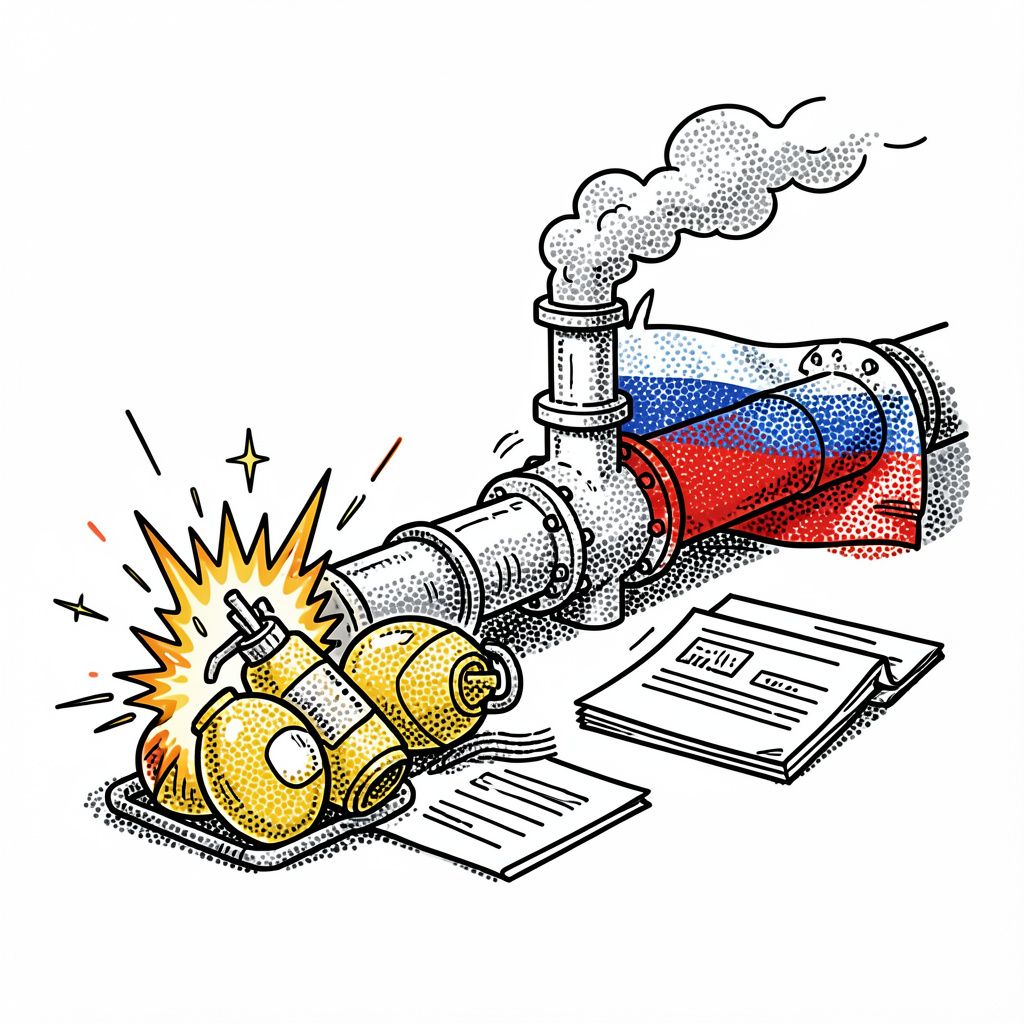
Four kilograms of explosives found near a Serbian pipeline in April 2026 point to a suspected Russian false-flag operation aimed at influencing Hungary’s recent national elections.
Anomalies in the Sabotage Attempt
The tactical execution of the thwarted attack lacks the hallmarks of traditional infrastructure sabotage [1]. According to Mykola Zentsev, a former Ukrainian major general, the 4 kilograms of recovered explosives would be entirely insufficient to bring the pipeline’s massive operations to a standstill [1]. Furthermore, Zentsev highlighted that no apparent effort was made to attach the explosives directly to the pipeline itself [1]. “This does not align with the objective of a classical act of sabotage, which aims to disable infrastructure for weeks or months,” Zentsev noted, concluding that the operation closely matches the standard operating procedures of Russia’s GRU military intelligence [1].
Electoral Calculations and Political Beneficiaries
The timing of the discovery is inextricably linked to the Hungarian national elections, which took place on April 6, 2026 [1]. Leading up to the vote, Prime Minister Orbán was reportedly lagging in public opinion polls [1]. The leader of Hungary’s political opposition, Péter Magyar, swiftly accused Orbán of orchestrating “false-flag operations” designed to instill fear among the Hungarian populace while acting on “the advice of Russian agents” [1]. This follows Magyar’s claims from March 2026 that Orbán had actively invited GRU agents to assist with his re-election campaign, an allegation the Russian embassy in Budapest formally denied [1].
A Strategic Alliance Under Pressure
The backdrop to this pipeline incident is the historically complex but recently fortified relationship between Serbia and Hungary [2]. Social media narratives circulating in late March 2026 highlighted this shift, with domestic commentators noting that thanks to the leadership of Orbán and Vučić, the two nations have transitioned from historical adversaries to sincere allies, reaching their highest level of diplomatic cooperation in history [2]. This alliance is heavily underpinned by mutual energy interests and shared political alignments that complicate broader European energy policies [1][2].