Rising Costs of Corporate Cyber Attacks Threaten Enterprise Balance Sheets
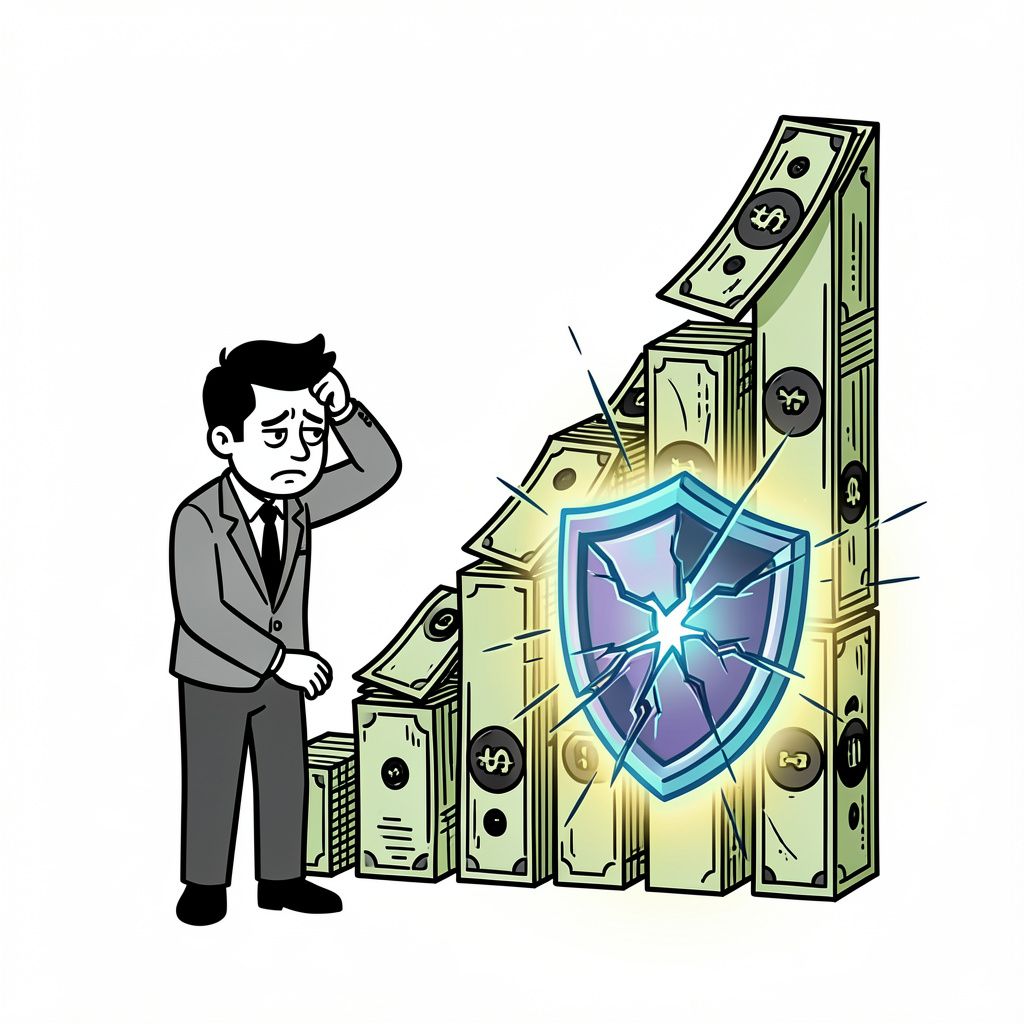
New York, Wednesday, 4 November 2026.
Global cyber insurance premiums topped $16 billion as average claim payouts for large corporations doubled to $4.4 million, driven by complex recovery costs despite most companies refusing ransom demands.
Global Cyber Insurance Market Surpasses $16 Billion
The global cyber insurance market has surpassed $16 billion in gross written premiums, marking a significant milestone for an industry still grappling with the escalating costs of digital threats. According to Beinsure’s latest market outlook report, this expansion reflects both the growing demand for cyber risk mitigation and the sector’s response to an increasingly sophisticated threat landscape dominated by AI-driven attacks [1]. The United States, which accounts for over half of global premiums and approximately 60% when including exposures insured through Lloyd’s, saw direct written premiums rise by 3.5% to $9.46 billion in 2025, reversing a contraction in 2024 [1].
Corporate Claim Severity Doubles Amid Rising Ransomware Threats
For large corporations with at least $1 billion in annual revenue, the average cyber claim severity has effectively doubled to $4.4 million in 2025, representing a staggering 586% increase since 2021 [1]. This sharp rise is primarily attributed to the growing complexity of recovery operations, which now encompass business interruption, privacy litigation, and extensive system restoration efforts [1]. Oleg Parashchak, CEO of Beinsure, notes that even as companies increasingly refuse ransom demands—with 86% of affected businesses opting against payment—the financial toll of cyber incidents continues to mount [1]. 137.838% of this increase reflects the compounded costs of operational downtime and regulatory penalties.
Market Dynamics and Underwriting Challenges
The cyber insurance sector remains structurally stable, supported by robust reinsurance capacity and sustained demand for protection, according to Beinsure’s analysis [1]. However, competitive pricing pressures are forcing underwriters to reassess coverage terms and premium models ahead of 2027 [1]. Tetiana Mykhailova, CFO and Senior Investment Analyst at Beinsure, emphasizes that the doubling of large-business claim severity underscores the urgent need for tighter IT governance and enhanced risk mitigation strategies among corporate leaders [1]. The top five insurers in the domestic U.S. market now control 32.24% of cyber premiums, with the top 10 accounting for 51.03% and the top 20 representing 76.82%, highlighting significant market concentration [1].
Economic Implications and Future Outlook
The surge in cyber claim costs poses substantial risks to enterprise balance sheets, particularly for publicly traded companies and those with significant digital footprints. AM Best’s July 2026 market outlook underscores how systemic cyber exposure—exacerbated by AI-enabled attacks and reliance on shared digital infrastructure—could trigger simultaneous losses across multiple insured organizations [GPT]. Industry projections suggest that global commercial insurance rates, including cyber, declined by 4% in the third quarter of 2026, reflecting a broader trend of softening premiums despite rising claim costs [3]. As underwriters recalibrate their risk appetites, corporate risk managers face a dual challenge: securing adequate coverage while implementing measures to reduce both the frequency and severity of cyber incidents.