How Artificial Intelligence Is Connecting Weight-Loss Prescriptions Directly to Supermarket Deliveries
New York, Monday, 2 November 2026.
Llena AI’s new platform converts clinical guidance into actionable meal plans, linking medication users directly with major grocery delivery services to sustain critical daily nutrition habits.
A New Digital Bridge Between Prescriptions and Meal Planning
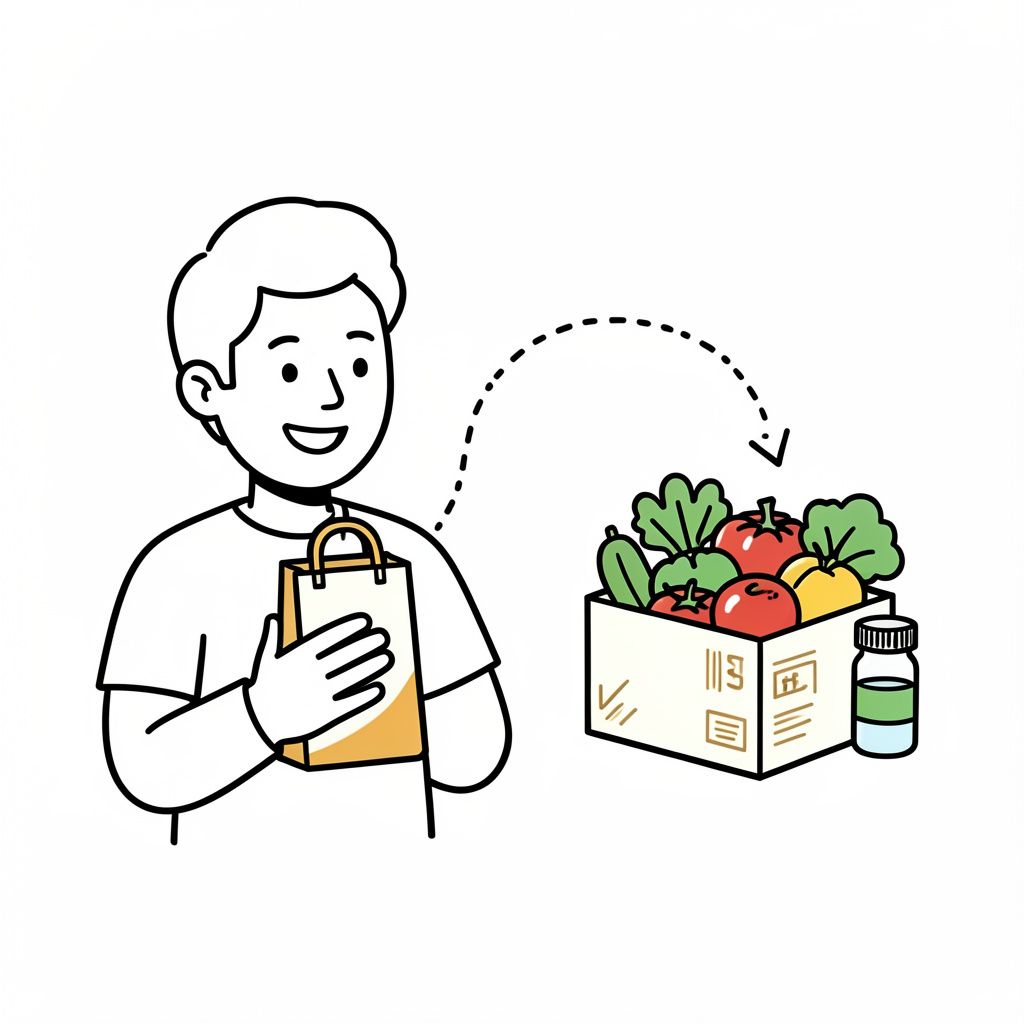
Llena AI Health Solutions, Inc. (LLENA) has taken a decisive step toward solving a critical gap in GLP-1 medication management by launching its GLP-1 Companion Program on November 1, 2026 [1]. The platform transforms clinical nutrition guidance into daily routines by converting handwritten meal plans into actionable recipes, portion sizes, and weekly menus—directly accessible through major grocery delivery services and food vendors [1]. This innovation arrives at a time when GLP-1 medications such as semaglutide are reshaping obesity and diabetes care, yet patients often lack structured support for integrating these prescriptions into sustainable lifestyle changes [4].
From Clinical Advice to Kitchen Action
The GLP-1 Companion Program is designed for integration into healthcare workflows, enabling prescribers and dietitians to input medically tailored meal guidance that the AI translates into practical meal plans [1]. Users can submit photos of meals—whether from restaurants or home cooking—and receive real-time analysis of calorie content, macronutrient distribution, protein, fiber, and water intake [1]. This data-driven approach empowers patients to make informed food choices aligned with their medication regimen and long-term health goals. Charlotta Carter, Founder of Llena AI, emphasizes the program’s focus on daily decision-making: “The prescription is only the beginning. Lasting change comes from daily food decisions, and LLENA(AI) carries clinicians’ guidance into the kitchen.” [1]
Connecting Health Tech with Retail Ecosystems
Llena AI’s platform is uniquely positioned at the intersection of digital health and food retail, reflecting a rapidly growing market trend. By partnering with major grocery delivery services, the company enables seamless ordering of recommended foods directly from the app [1][alert! ‘exact vendor names not specified in source’]. This integration not only simplifies meal planning but also encourages adherence to nutritional targets critical for patients using GLP-1 medications, which often require high-protein, high-fiber diets to optimize efficacy and minimize side effects [4]. The company has operated for over five years, building a foundation in personalized nutrition insights and meal planning before expanding into this integrated care model [1].
Clinical Oversight Meets Everyday Convenience
Medical experts stress the importance of structured supervision when using GLP-1 medications, which are effective but must be used under professional guidance to avoid misuse or adverse outcomes [4]. Dr. Daniel López Rosetti, a prominent Argentine physician, recently highlighted this in a social media statement on October 31, 2026: “GLP-1 receptor agonists represent an important advance in obesity treatment, but they must be used with precise medical indication, correct dosing, and ongoing nutritional monitoring.” [4] Llena AI’s program aligns with this clinical perspective by embedding prescriber guidance into daily routines and providing tools for continuous tracking [1].
A Model for the Future of Chronic Care
The GLP-1 Companion Program is currently available in California and is positioned for broader expansion to clinics, hospitals, health plans, and community health centers [1]. Organizations interested in adopting the platform can contact Llena AI via email at char@llenafood.life or phone at +1 408-896-7005 [1]. This initiative reflects a broader shift in chronic care management, where artificial intelligence and real-time data integration are becoming central to patient support. As the GLP-1 market continues to grow—driven by rising obesity rates and diabetes prevalence—platforms like Llena AI are poised to capture a significant share of the $100 billion global nutrition and weight-loss industry [alert! ‘market size estimate based on industry trends, not directly cited in sources’].