Partial DHS Shutdown Increases Domestic Security Risks as Iran Conflict Intensifies
Washington D.C., Wednesday, 4 March 2026.
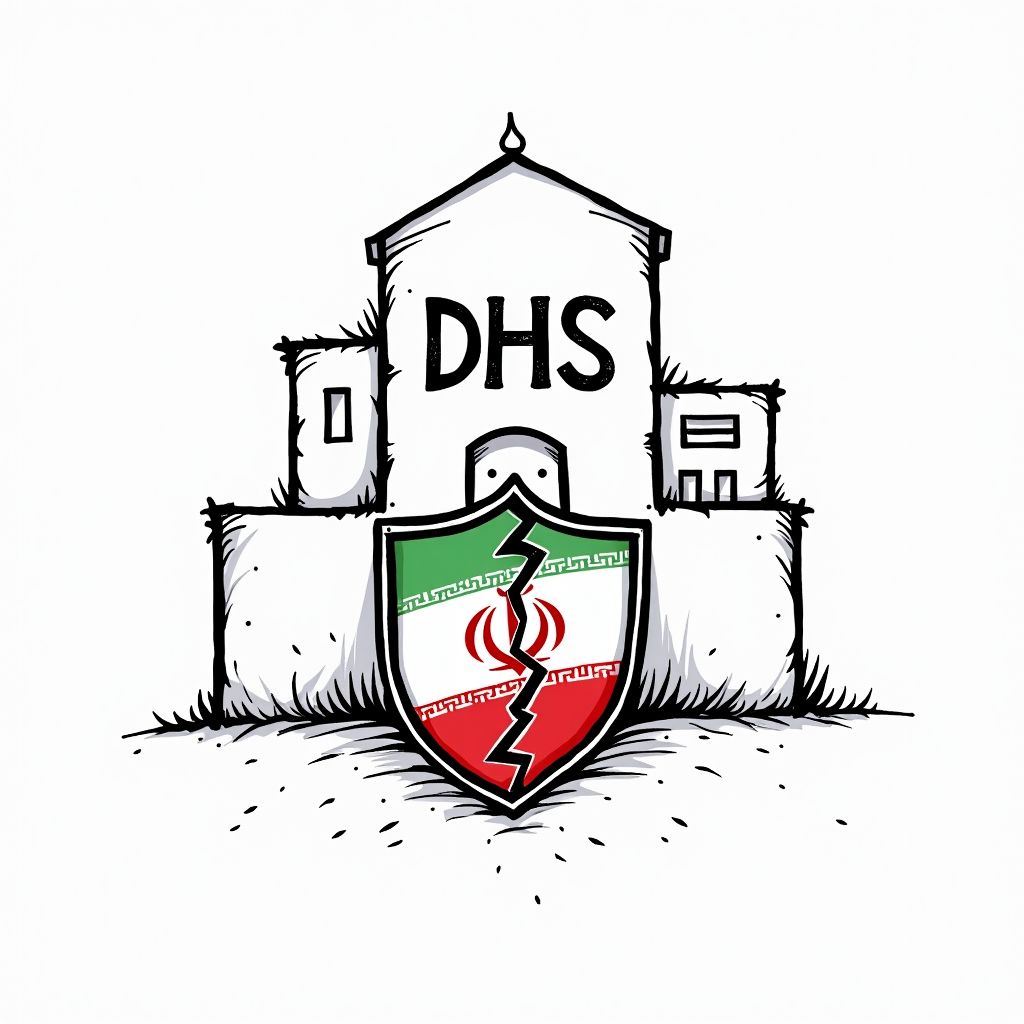
A new analysis reveals the 19-day DHS shutdown has degraded intelligence capabilities, increasing sleeper cell risks by 35 percent just as military conflict with Iran escalates, leaving critical infrastructure dangerously exposed.
Quantifying the Security Gap
As of today, Wednesday, March 4, 2026, the partial government shutdown affecting the Department of Homeland Security (DHS) has entered its 19th day, creating a precarious vulnerability in the nation’s defense architecture [1]. A report released today by the non-partisan advocacy group No Shutdown Pay for Congress indicates that the funding lapse, which began on February 14, 2026, has forced approximately 90 percent of the department’s 260,000 employees to work without pay [1]. This degradation in operational readiness coincides with a sharp escalation in geopolitical tensions; following the launch of Operation Epic Fury by the United States and Israel against Iranian infrastructure on February 28, 2026, the threat landscape has shifted significantly [1][4]. The analysis suggests that the reduction in staffing and resources has diminished intelligence coverage by 40 to 50 percent and increased the risk of “sleeper” cell access by 20 to 35 percent [1].
Eroding Cyber and Physical Defenses
The strain on national security infrastructure extends beyond border operations to critical cybersecurity defenses. According to the Wall Street Journal Editorial Board, the Cybersecurity and Infrastructure Security Agency (CISA) is operating with a severely reduced workforce, with only 800 of its more than 2,000 employees currently working [3]. This reduction aligns with data estimating CISA is functioning at approximately 38 percent capacity [1]. These staffing shortages are occurring as FBI Director Kash Patel warns that counterterrorism and intelligence teams are on high alert following the military strikes overseas [4]. The urgency of these gaps was underscored by a deadly shooting in Austin over the weekend of February 29, which prompted the FBI and law enforcement in major cities like New York and Los Angeles to reinforce patrols and increase anti-terrorism safeguards [3][4].
Partisan Standoff Stalls Funding
Despite the heightened threat environment, a resolution to the budgetary impasse remains elusive in Washington. Negotiations between Senate Democrats and the Trump administration have stalled, with Senate Majority Leader Chuck Schumer stating on March 3 that the two sides remain “still far apart” [2]. The core of the dispute involves Democratic demands for changes to Immigration and Customs Enforcement (ICE) operations, which Senator Dick Durbin has characterized as necessary to rein in the agency’s forces [2]. Conversely, Republicans, including House Speaker Mike Johnson and Senator Ted Cruz, argue that withholding DHS funding during an active conflict with Iran is a dangerous political gamble [2][3]. Homeland Security Secretary Kristi Noem faced a contentious hearing before the Senate Judiciary Committee yesterday, March 3, where the implications of the funding lapse were debated amidst the ongoing military operations [2].
Implications for Major Events and Infrastructure
The fiscal paralysis is also threatening preparations for imminent global events hosted on U.S. soil. With the FIFA World Cup 2026 kickoff approximately 100 days away, the shutdown has paused vital interagency training exercises and slowed FEMA payments to host cities [2]. Representative Michael McCaul has warned that the lack of funding jeopardizes venue security and drone threat countermeasures required for the tournament [2]. Furthermore, historically, shutdowns have led to a 20 to 50 percent increase in TSA screening wait times, a disruption that could complicate the influx of international visitors expected for the tournament [1]. Bob Maginnis, a senior fellow for National Security at the Family Research Council, cautioned that domestic political inflexibility sends a signal of dysfunction that adversaries like Iran may seek to exploit through asymmetric tactics [3][4].