Gavin Newsom Rules Out 2028 Presidential Run Against Kamala Harris
Washington, Tuesday, 15 September 2026.
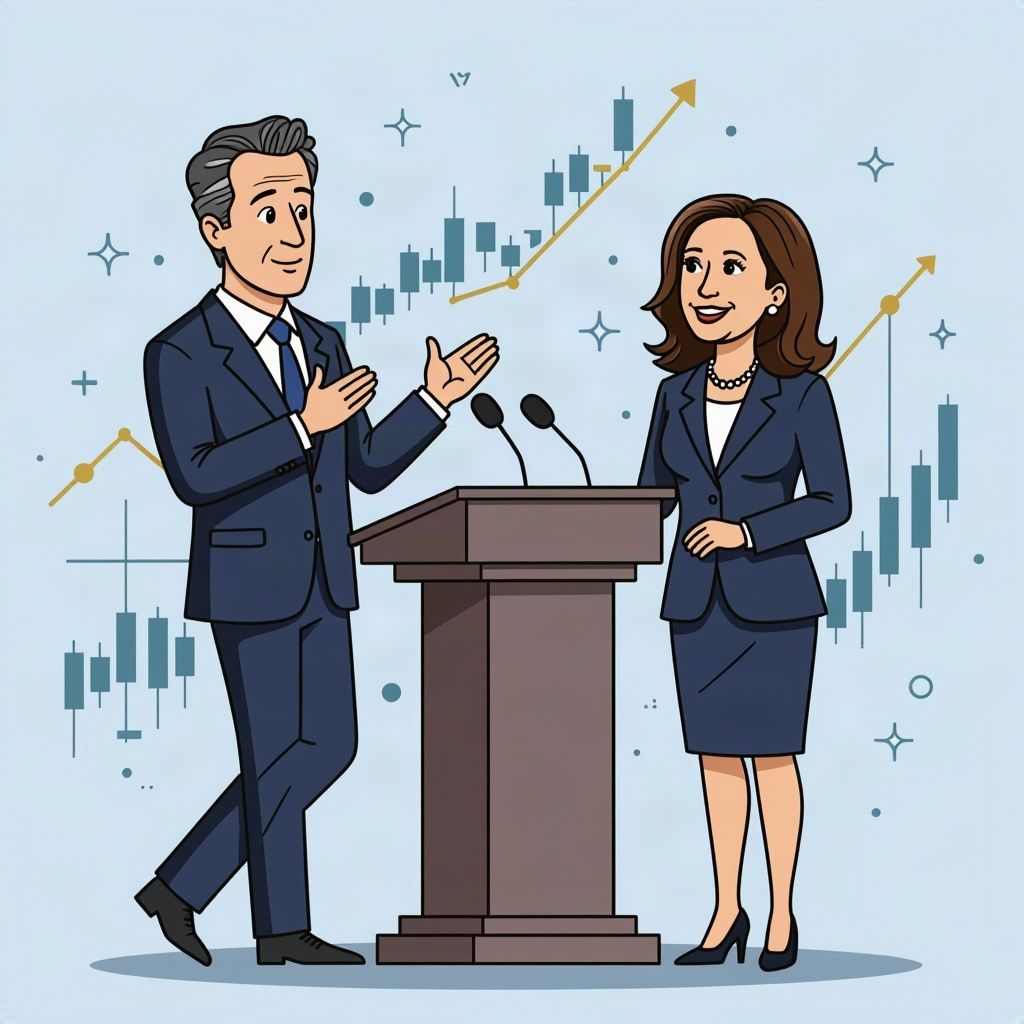
California Governor Gavin Newsom confirmed he will not challenge Vice President Kamala Harris for the 2028 Democratic nomination, reshaping early primary expectations and offering party alignment.
Strategic Withdrawal from 2028 Race
California Governor Gavin Newsom confirmed on September 14, 2026, that he will not seek the Democratic presidential nomination in 2028 if Vice President Kamala Harris chooses to run [1][2]. This public declaration was made during an interview with CNN, providing early clarity regarding the alignment of key Democratic Party figures ahead of the next election cycle [1]. The statement significantly reduces the potential for a divisive primary battle between two of California’s most prominent political leaders, signaling a move toward party stability [2].
Strategic Withdrawal from 2028 Race
During the interview with Jake Tapper, Governor Newsom emphasized his reasoning by stating he would not waste everyone’s time by challenging the Vice President if she seeks the nomination [2]. He noted that he would not run if she ran, effectively granting her the right of first refusal for the 2028 race [2]. This conditional withdrawal underscores a strategic decision to prioritize party cohesion over individual ambition, a move that resonates with corporate strategy and economic policy planners seeking predictability [1].
Context of Previous Campaign Activities
Prior to this announcement, Governor Newsom had been widely expected to pursue the 2028 presidential nomination, with speculation intensifying as his governorship approached its end [3]. As of September 13, 2026, reports indicated that Newsom was positioning himself for a potential run by embracing progressive policy positions and challenging Republican narratives [3]. His recent political campaign tour through the South in early July 2026, including visits to the Carolinas and Alabama, had suggested active preparation for a national bid [3].
Context of Previous Campaign Activities
Governor Newsom is currently a lame duck governor, with his final months in office upcoming before he transitions to private citizen status [3]. Historical precedents, such as the transitions of Ronald Reagan and Pete Wilson, indicate that moving from the California governorship to the presidency involves significant logistical and political challenges [3]. The decision to step aside conditional on Harris’s participation alters the landscape for other potential candidates who were monitoring Newsom’s intentions [1].
Impact on Party and Economic Planning
The removal of a potential primary conflict offers early political clarity that may influence economic policy planning and corporate strategy [1]. Investors and market analysts often view political stability as a positive indicator for long-term planning, and the alignment of Democratic leadership reduces uncertainty regarding future regulatory environments [2]. This development allows party resources to be focused on broader electoral strategies rather than internal contention [1].
Impact on Party and Economic Planning
While the Democratic presidential primary for 2028 remains wide open regarding other contenders, the dynamic between Newsom and Harris has been a focal point of speculation [3]. The interview comments, if taken at face value, represent a significant shift from previous ambiguity surrounding the Governor’s presidential ambitions [1]. As of September 15, 2026, the focus now shifts to Vice President Harris’s potential decision on seeking the nomination [2].