Mexican Military Eliminates CJNG Leader El Mencho in Targeted Jalisco Operation
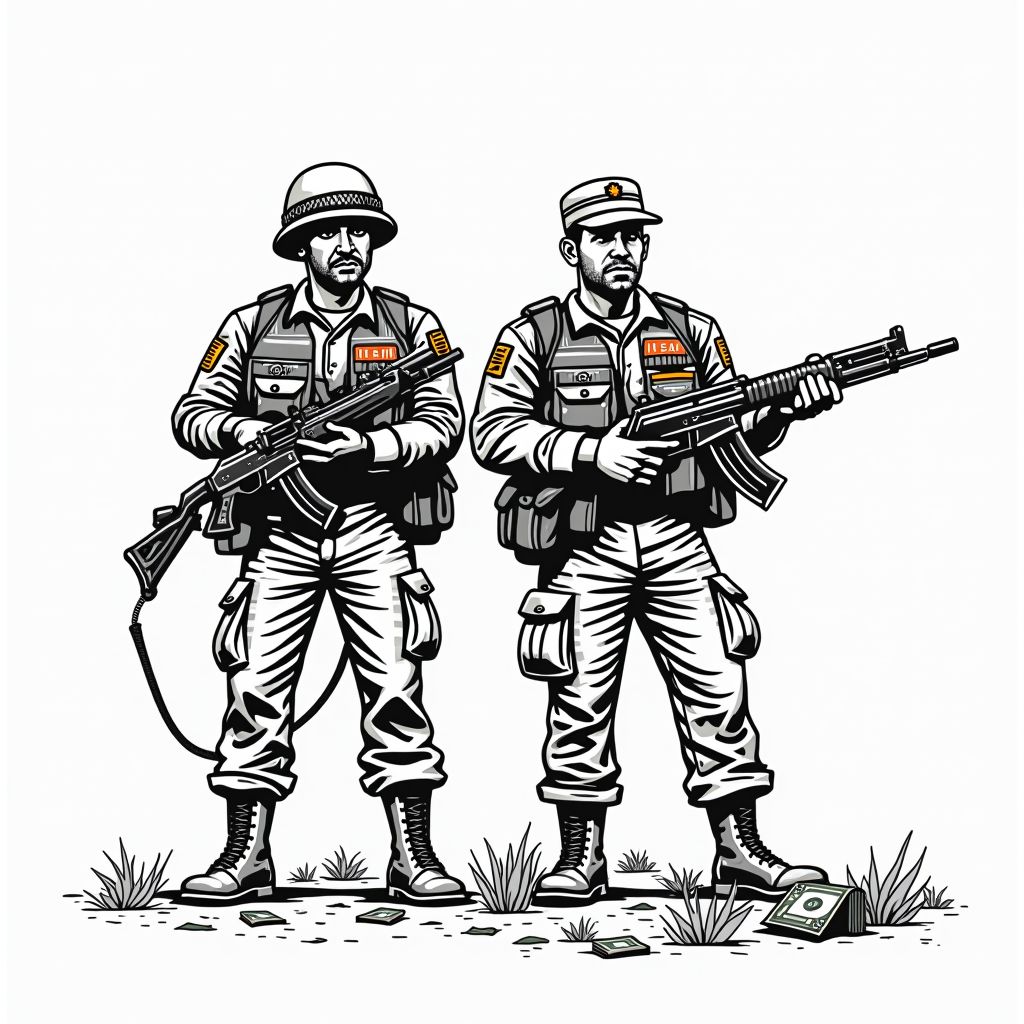
Mexico City, Sunday, 22 February 2026.
On Sunday, February 22, 2026, Mexican military forces eliminated Nemesio Oseguera Cervantes, alias “El Mencho,” in a targeted operation in Jalisco, ending the decades-long pursuit of the Jalisco New Generation Cartel (CJNG) leader. Oseguera, who carried a $15 million U.S. reward, was a central figure in the global synthetic drug trade. While this operation represents a major victory for Mexico’s federal security strategy, the immediate aftermath has seen violent retaliatory blockades across multiple states, including Michoacán and Guanajuato. Analytically, this event signals a critical transition point; the removal of such a dominant capstone figure is likely to fracture the CJNG, leading to a volatile succession struggle. This fragmentation poses significant risks for regional security and cross-border logistics as rival factions and cartels maneuver to fill the power vacuum left by one of the world’s most wanted fugitives.
Operational Context: The Catalyst for Regional Chaos
The widespread arson and infrastructure disruption in Puerto Vallarta reported earlier this morning [1] have now been identified as the immediate tactical fallout from a high-stakes military decapitation strike. Mexican federal officials confirmed that Nemesio Oseguera Cervantes, the elusive leader of the Jalisco New Generation Cartel (CJNG), was killed during a military operation on Sunday [2][4]. The raid targeted the municipality of Talpa de Allende, a known stronghold for Oseguera in the western state of Jalisco [5]. This development provides the critical causality for the organized blockades that severed major transport arteries earlier in the day, as cartel operatives scrambled to impede the extraction of federal forces.
Profile of a High-Value Target
Known globally as “El Mencho,” Oseguera was born on July 17, 1966 [3], and architected the CJNG’s rise into one of Mexico’s most dominant transnational criminal organizations. Under his command, the cartel aggressively expanded its logistics network, industrializing the trafficking of synthetic drugs—specifically fentanyl, methamphetamine, and cocaine—into the United States [6]. His leadership was defined by a strategy of extreme aggression toward state security apparatuses, a stance that led the U.S. government to designate the CJNG as a foreign terrorist organization and place a reward of up to $15 million on his head [2]. His removal marks the end of decades of evasion [3].
Immediate Security Fallout and Strategic Implications
The operational success has come at a high cost to immediate regional stability. Following the military engagement, CJNG units executed a coordinated response, deploying burning vehicles to block highways not only in Jalisco but also across Michoacán, Tamaulipas, Colima, and Guanajuato [3]. This synchronization suggests a pre-planned contingency for leadership decapitation. Politically, however, the operation is being framed as a decisive victory for President Claudia Sheinbaum’s administration and Security Secretary Omar García Harfuch [3]. It represents the latest in a series of major enforcement actions, following the July 2024 capture of Sinaloa Cartel leader Ismael “El Mayo” Zambada and the recent extradition of financial operator Abimael González, alias “El Cuini” [3].
Market Volatility and Succession Risks
While the neutralization of Oseguera is a tactical success for the state, analysts warn that the removal of such a central figure often precipitates severe market volatility in the criminal underworld. The death of El Mencho is expected to trigger a violent internal succession battle as rival factions compete for control of the cartel’s multi-billion dollar synthetic drug supply chains [3][6]. This fragmentation poses a complex long-term threat; as the monolithic structure of the CJNG fractures, the resulting splinter groups may engage in heightened violence to establish dominance, potentially disrupting expatriate investment and logistics corridors far beyond the timeline of Sunday’s initial blockades.