Proposed Social Security Rule Could Reduce Benefits for 400,000 Americans
Washington D.C., Saturday, 23 May 2026.
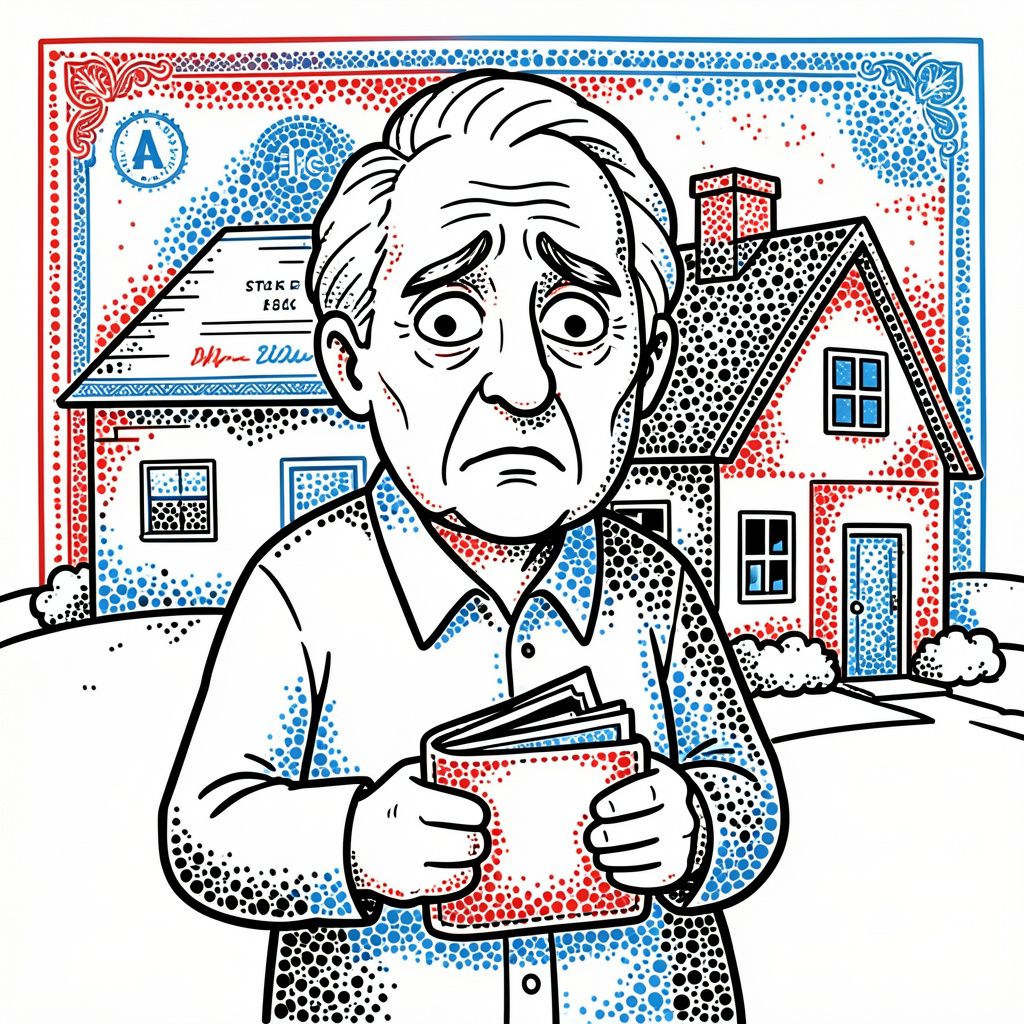
A proposed Social Security rule could cut benefits for 400,000 vulnerable Americans by assigning market rental values to their bedrooms and removing existing food stamp protections.
Reversing the 2024 Protections
The Social Security Administration (SSA) is currently advancing a proposed rule change that would fundamentally alter how Supplemental Security Income (SSI) eligibility is determined [1][2]. Originally submitted in July 2025 and currently under federal review as of May 2026, the proposal seeks to roll back protections established by the Biden administration in 2024 [1][2]. Under the 2024 finalized rule, households receiving Supplemental Nutrition Assistance Program (SNAP) benefits automatically qualified as a “public assistance household,” a designation that shielded disabled SSI recipients from certain financial penalties [1]. By streamlining the qualification process, the previous administration aimed to expand the safety net for low-income individuals [GPT].
The Financial Mechanics of the Proposed Cuts
If implemented, the new rule would change how household income and in-kind support are calculated for SSI recipients [2]. A critical component of the proposal involves evaluating disabled individuals over the age of 18 based on the market rental value of the bedroom they occupy, even if they live with family members [2][3]. This assessed market value would then be deducted directly from their monthly SSI check [2]. By eliminating the SNAP eligibility test that currently shields these families from this exact calculation, the SSA would count more household support as unearned income, thereby triggering automatic benefit reductions [2][3].
Impact on Vulnerable Demographics
The macroeconomic and social impacts of this policy shift would be heavily concentrated among highly vulnerable demographics, including disabled adults, low-income seniors, and individuals living with family caregivers [2]. Analysis of the proposal indicates that removing SNAP as a qualifying form of public assistance would result in benefit cuts for over 275,000 current recipients [1][3]. Furthermore, more than 100,000 individuals would lose their eligibility entirely, bringing the total number of affected Americans to approximately 400,000 [1][3]. The effects will be felt nationwide, though state-level data shows that in Massachusetts alone, 11,600 SSI beneficiaries could face benefit cuts or a complete loss of eligibility [1].
Fiscal Pressures and Future Outlook
The push to tighten eligibility requirements occurs against the backdrop of broader, systemic fiscal challenges facing the Social Security Administration. The agency is confronting a looming funding gap that, without significant legislative intervention, could necessitate across-the-board benefit cuts for all recipients as early as the early 2030s [2]. While the current proposal aims to curb immediate federal spending by redefining eligibility, it highlights the ongoing and escalating tension between managing national debt and fulfilling long-standing social welfare obligations [GPT].