Naval Mines in the Strait of Hormuz Threaten Global Energy Markets
Tehran, Wednesday, 11 March 2026.
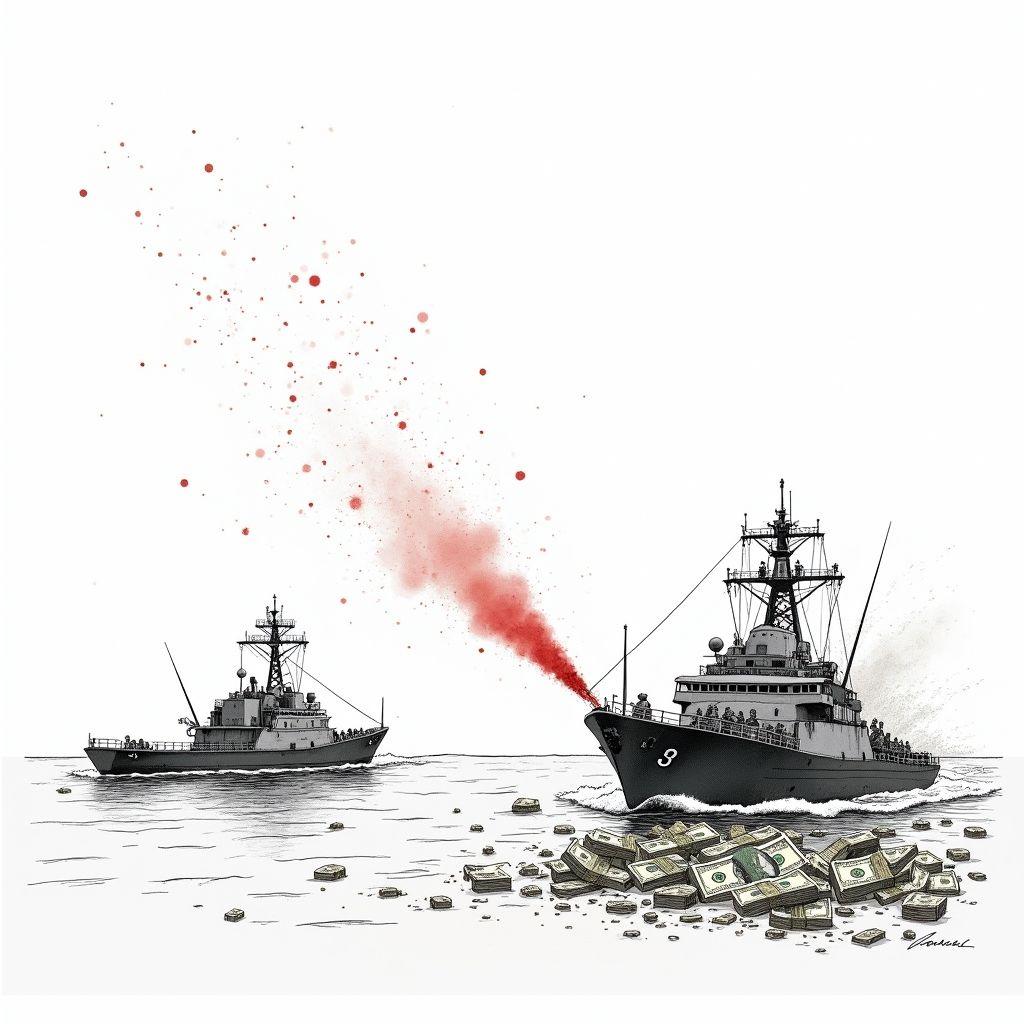
US forces are destroying Iranian minelayers in the Strait of Hormuz. This escalating crisis leaves one-fifth of the world’s daily crude oil stranded, threatening severe global market shocks.
From Blockade to Active Maritime Conflict
As regional conflicts continue to roil the Middle East, the crisis in the Strait of Hormuz has entered a perilous new phase. Previously, global crude prices eclipsed the $100 per barrel mark as a de facto blockade forced major Gulf producers to drastically slash output [1]. Now, as of early March 2026, the situation has sharply deteriorated following reports that Iranian military forces have begun laying naval mines in the vital waterway [2]. This escalation has triggered an immediate U.S. military response and effectively paralyzed a chokepoint responsible for approximately a fifth of the world’s daily crude oil consumption [2].
A Paralyzed Chokepoint and Dark Transits
The compounding maritime risks have brought traffic in the region to a near standstill. By March 10, 2026, traffic through the Strait of Hormuz had completely halted, leaving approximately 150 ships anchored in the strait and surrounding waters [4]. The Joint Maritime Information Center documented a severe drop in transits: between March 1 and March 9, 2026, only 39 cargo vessels moved through the strait, a staggering decline of -60.204 percent compared to the 98 vessels that transited on February 28 alone [4]. Tanker traffic saw an even steeper collapse, plummeting from 50 transits on February 28 to merely 10 over the subsequent nine-day period [4].