Analyzing the Demographic Shift: The Absence of Top Leaders and Young Voters at CPAC 2026
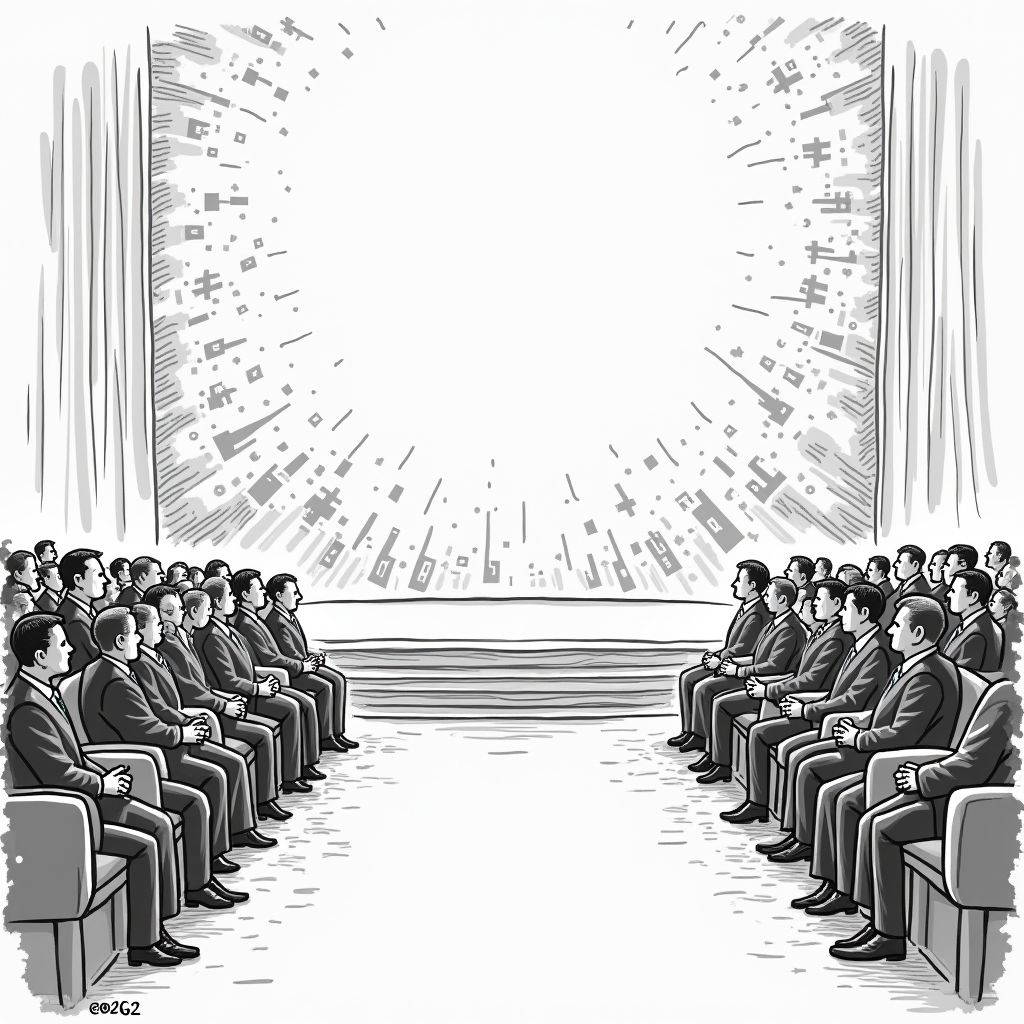
Washington, D.C., Saturday, 28 March 2026.
As CPAC 2026 unfolds, the unprecedented absence of Donald Trump and a steep decline in youth engagement signal a critical shift in future conservative political and economic strategies.
A Noticeable Void at the Top
The Conservative Political Action Conference (CPAC) is currently concluding its 2026 gathering at the Gaylord Texan Resort and Convention Center in Grapevine, Texas [1][2][3][4]. Historically described as the “center of political gravity” for the Republican Party, this year’s event is defined by the high-profile figures who are not in attendance [2]. For the first time since 2016, President Donald Trump is absent from the conference, and as of March 26, 2026, no members of the Trump family were included in the lineup [1][2]. Vice President JD Vance and influential billionaire Elon Musk also opted out of the gathering [1][4]. The absence of the party’s standard-bearers comes as President Trump’s approval ratings hit an all-time low in late March 2026, compounded by stalled domestic policies and anxieties over foreign entanglements [2][4].
The Youth Exodus and Shifting Cultural Relevance
The demographic most noticeably absent from the Grapevine convention center is young conservative voters. In its earlier years, CPAC was renowned for its high-energy environment, described by Raheem Kassam, editor in chief of The National Pulse, as being “far more Woodstock than what it is today” [1]. Today, however, the brand appears to be losing its grip on the next generation of conservative influencers. Brett Cooper, a 24-year-old conservative commentator with over 1.6 million YouTube subscribers, did not attend the 2026 event, remarking, “Ironically, I have no comment because I literally don’t even know what CPAC is” [1]. This disconnect has prompted public relations professionals like Mitchell Jackson to advise clients against attending, deeming the conference “irrelevant to their audiences” [1].
Geopolitical Shadows and Domestic Electoral Anxieties
The shifting demographics at CPAC 2026 are playing out against a complex backdrop of international conflict and domestic electoral vulnerability. Approximately one month prior to the conference, the United States and Israel initiated a war in Iran [3]. This military action has fractured conservative consensus. While some attendees chanted “Regime change for Iran,” and Texas Senator Ted Cruz defended President Trump’s actions as necessary to protect Americans, others within the party are sounding the alarm [3][4]. Conservative strategist Steve Bannon warned that the party will “bleed support” if the conflict becomes a prolonged struggle [4]. These internal divisions mirror broader national skepticism, with a February AP-NORC poll indicating that roughly 59 percent of Americans view the military action in Iran as excessive [4].