Polls Reveal Core Republican Skepticism Regarding President Trump’s Economic Boom
Washington, Saturday, 28 February 2026.
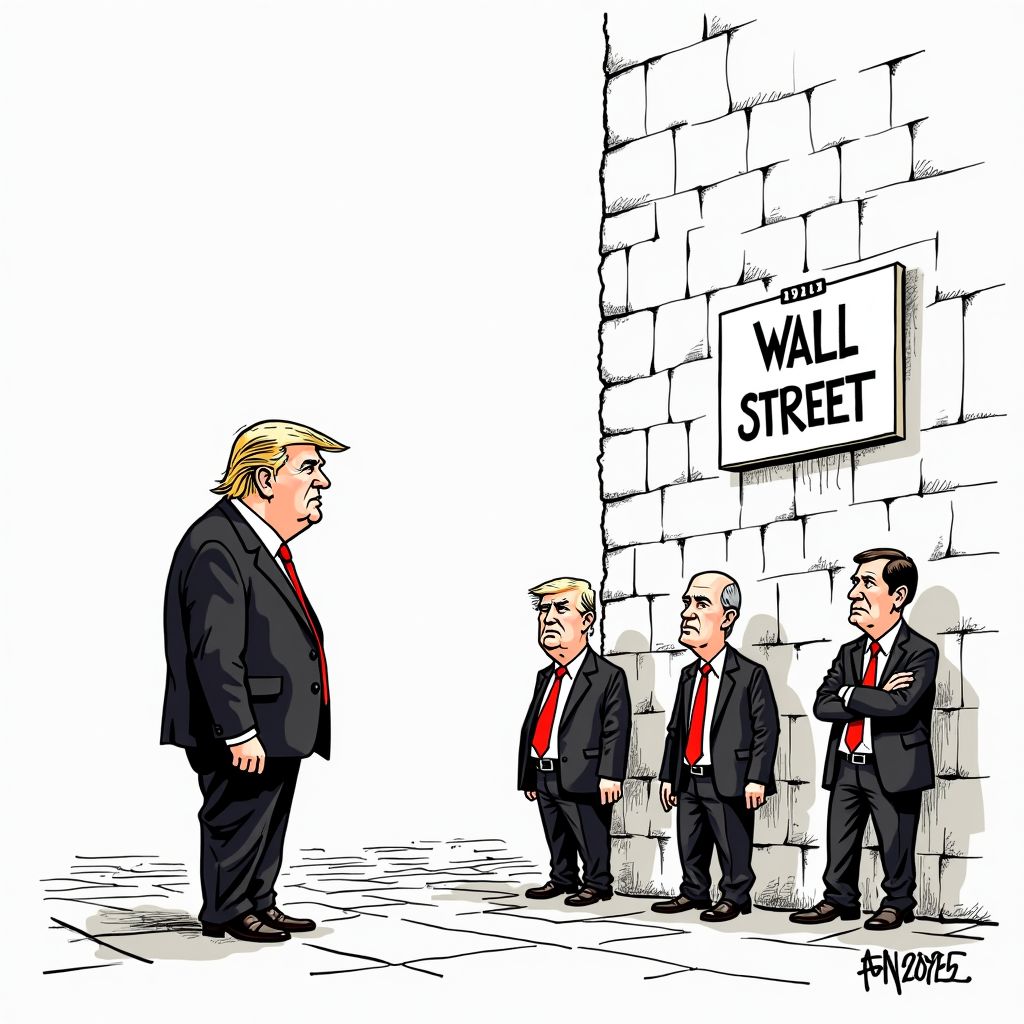
Recent analysis highlights a critical divergence between President Trump’s “Golden Age” rhetoric and voter reality. In a striking revelation, 43% of Republicans deny the economy is booming, while 72% dispute claims of low inflation, signaling a potential strategic liability for the administration ahead of the 2026 midterms.
The Data Behind the Discontent
The divergence between the administration’s messaging and voter sentiment was starkly illustrated following President Trump’s State of the Union address on February 24, 2026, where he claimed the economy was “roaring like never before” [1][3]. Contrary to this optimism, a Reuters/Ipsos survey conducted the week of February 23, 2026, revealed that 68% of adults do not believe the economy is booming [1]. Most notably, this skepticism permeates the President’s own party, with 43% of Republicans disagreeing with the “booming” characterization and 72% rejecting the claim that there is “hardly any inflation” in the U.S. [1][6]. This internal dissent suggests that the economic pain points are overriding partisan loyalty for a significant portion of the electorate.
Rising Costs Defy Official Narratives
The skepticism among voters is grounded in tangible price increases that contradict the President’s assertions of falling costs. While President Trump claimed during his address that beef prices were “starting to come down significantly,” market data paints a different picture [2]. In January 2025, the average price for ground beef in U.S. cities was $5.55 per pound; by January 2026, that figure had climbed to $6.75 per pound [2]. This represents a sharp year-over-year increase of 21.622 percent. Furthermore, uncooked steaks saw a 13% price hike over the same period, reaching $12.30 per pound in January 2026 [2]. These figures underscore why specific demographic groups remain unconvinced by broad macroeconomic claims.
Rhetoric Versus Reality
The administration’s strategy of dismissing these economic concerns has drawn sharp criticism from political strategists. Frank Luntz, a veteran pollster, publicly criticized President Trump for labeling the word “affordability” a “hoax” and mocking the concept during his State of the Union address [3]. Luntz warned that mocking Americans who are “feeling the squeeze” is a significant political misstep [3]. This advice stands in contrast to the President’s rhetoric in Rome, Georgia, on February 17, 2026, where he characterized discussions on affordability as “fake news” [3]. While the White House argues that the President is highlighting his success in delivering relief, the combative tone regarding voters’ financial struggles risks alienating the very constituents needed for the midterm elections [3].
Sources
- www.thedailybeast.com
- www.thedailybeast.com
- www.thedailybeast.com
- www.thedailybeast.com
- thefulcrum.us
- moderndiplomacy.eu