Host Cities Face Billions in Unshared Costs as the 2026 World Cup Kicks Off
Mexico City, Thursday, 11 June 2026.
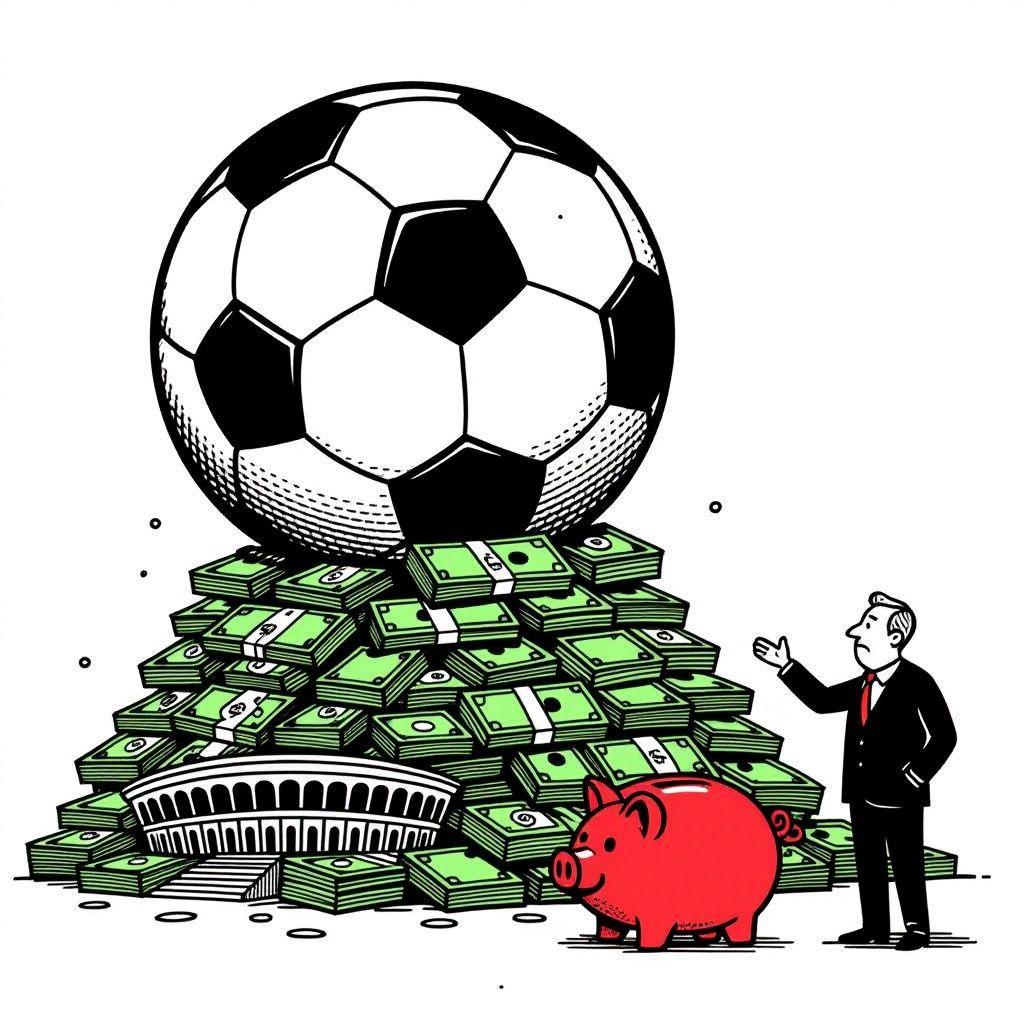
The 2026 World Cup opens amid fierce protests and severe financial scrutiny. Twenty-one U.S. host cities threaten a 2031 boycott over FIFA hoarding revenues while taxpayers fund operations.
Escalating Tensions in the Capital
As the 23rd edition of the World Cup expands to a historic 48 participating nations [4], the unrest in Mexico City centers around the recently renovated Estadio Azteca [1], following weeks of escalating tension leading up to today’s scheduled opening ceremony [2]. On June 3, striking teachers paralyzed traffic on Paseo de la Reforma, a vital commercial artery in the Mexican capital [2]. In response, authorities deployed hundreds of riot police yesterday, June 10, to barricade the historic center and secure the perimeter for a tournament expected to draw 5.5 million visitors [2]. The thousands of demonstrators mobilizing today comprise union members, teachers, judges, and families of cartel violence victims, all leveraging the global broadcast to demand wage increases and government action on kidnappings [2]. Despite the palpable tension, Mexican President Claudia Sheinbaum has publicly insisted that “everything is under control” [2].
The Asymmetric Economics of Hosting
While Mexican authorities manage immediate security threats