Wizards Shut Down Anthony Davis to Protect Long-Term Asset Value
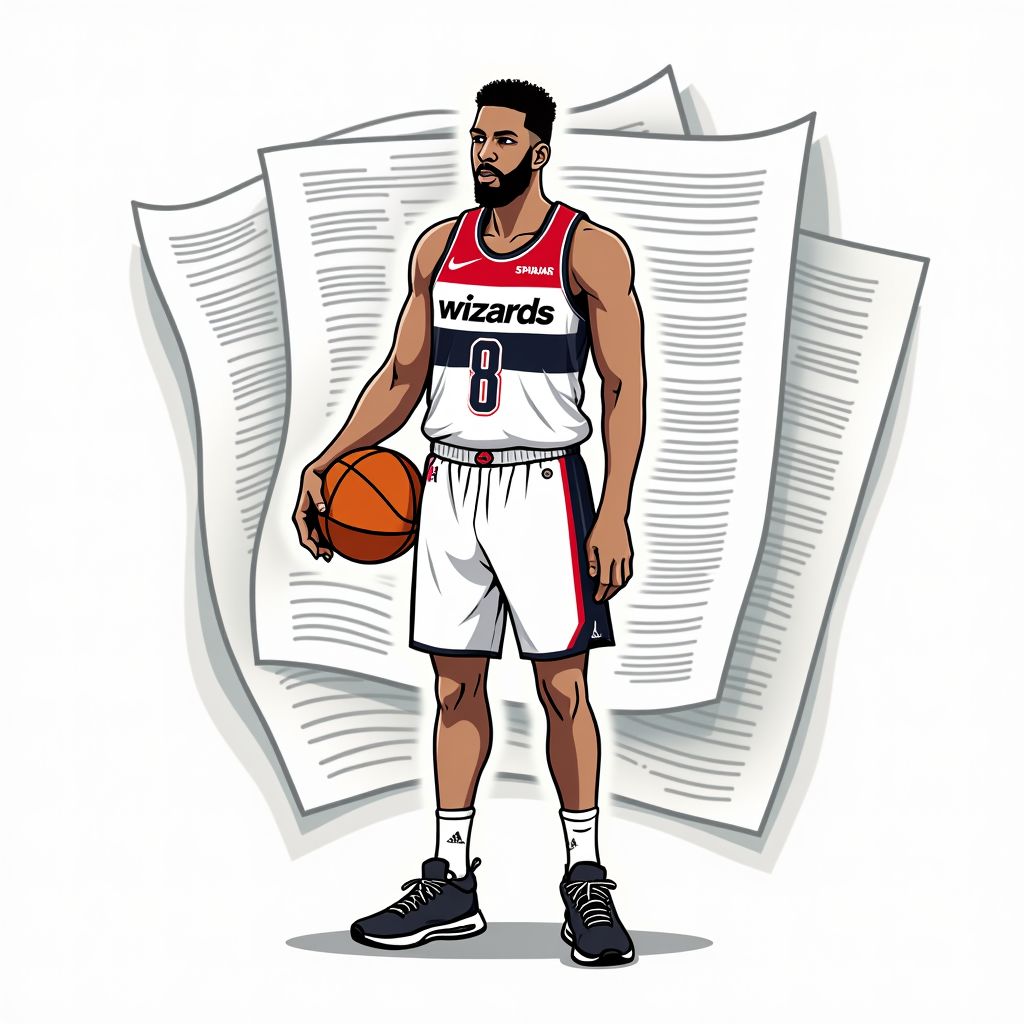
Washington D.C., Sunday, 8 February 2026.
Washington ends Davis’ season to safeguard his value ahead of a massive $62.7 million option, prioritizing future financial flexibility under strict new salary regulations over immediate performance.
Strategic Asset Preservation
The Washington Wizards have officially shelved their newest acquisition, Anthony Davis, for the remainder of the 2026 season following his arrival from the Dallas Mavericks on February 4 [1][4]. While the team cites hand and groin injuries—lingering issues that have kept the 32-year-old sidelined since early January—the move signals a clear prioritization of long-term asset management over immediate competitiveness [3][7]. Acquired in a blockbuster eight-player deal, Davis represents a significant financial commitment rather than just an on-court reinforcement for a team currently sitting near the bottom of the standings with a 14-36 record [4][5].
The Economics of a $62.8 Million Decision
At the heart of this strategy lies Davis’s contract structure. He is owed approximately $58.5 million for the 2026-27 season and holds a player option valued between $62.7 million and $62.8 million for the 2027-28 campaign [1][4][5]. In the modern NBA, governed by the restrictive “second apron” of the new Collective Bargaining Agreement (CBA), such a massive salary figure holds paradoxical value [2]. Because teams above the second tax apron cannot aggregate multiple smaller salaries to match a larger one in trades, possessing a singular, large contract like Davis’s allows for unique flexibility in future transactional mathematics, provided the player remains healthy enough to be insurable and tradeable [2].
Navigating the Extension Landscape
Despite the high-profile acquisition, a long-term marriage between Davis and Washington appears uncertain. Reports indicate that the Wizards are unlikely to offer an extension to the veteran big man, who turns 33 on March 11, 2026 [4][6]. Extending Davis would potentially convert a flexible trade chip into a financial albatross, a risk general manager Will Dawkins seems unwilling to take given the team’s rebuilding timeline [2]. Instead, the franchise appears content to let Davis play out his current deal, maintaining leverage for future roster construction [6].
Sources
- www.cbssports.com
- www.reddit.com
- sports.yahoo.com
- bleacherreport.com
- lastmanstandig.substack.com
- basketnews.com
- www.si.com