Why the Philadelphia Eagles Refuse to Trade Saquon Barkley
Philadelphia, Monday, 2 November 2026.
Despite a five-game slide and losing Jalen Hurts for the season, Philadelphia removed Saquon Barkley from the trade block to anchor their planned 2027 competitive rebound.
A Calculated Gamble on the Field and Beyond
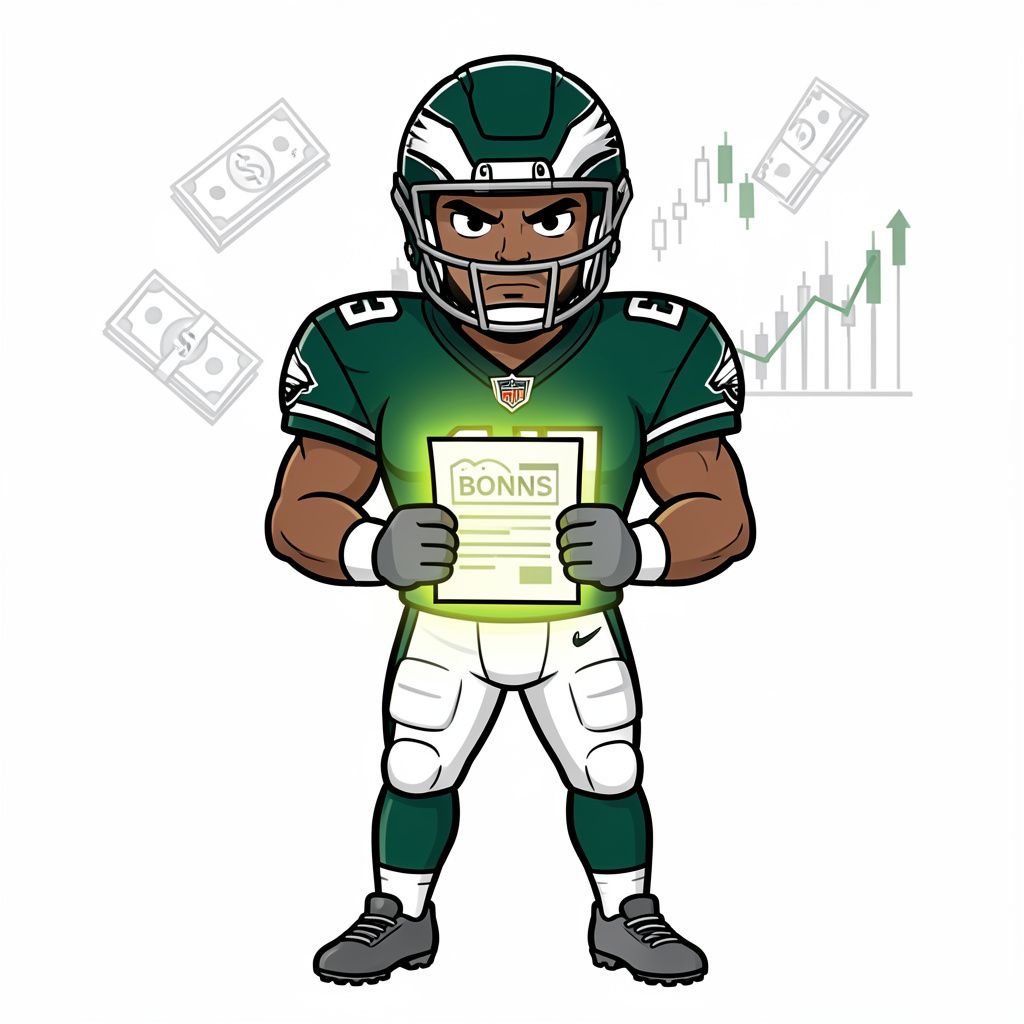
The Philadelphia Eagles’ decision to retain Saquon Barkley ahead of the November 10, 2026, NFL trade deadline reflects a strategic wager on both athletic performance and long-term franchise value. With the team mired in a 2-5 slump and quarterback Jalen Hurts ruled out for the season due to blood clots [3][4], the Eagles’ management has opted to prioritize roster stability over short-term asset liquidation. This approach underscores a broader philosophy articulated by general manager Howie Roseman during training camp: draft, develop, and re-sign core players to sustain competitive excellence [5]. For a franchise that won Super Bowl LIX with 14 of 22 starters developed in-house [5], the retention of Barkley—signed through 2028 on a two-year, $41.2 million extension [5]—signals confidence in his future contributions despite a sluggish 2026 season.
Financial Commitments and Cap Management
Barkley’s contract, which includes $2.5 million guaranteed in 2027 and carries a cap hit of approximately $18.6 million for 2026 [5], represents a significant investment for the Eagles. However, the team’s decision to keep him is consistent with Roseman’s cap management strategy, which has historically emphasized retaining high-value players even amid underperformance. For context, the Eagles allocated 27.4% of their 2026 salary cap to players no longer on the roster [5], a figure that underscores the financial strain of roster turnover. By holding onto Barkley, the franchise avoids the double penalty of forfeiting draft capital while absorbing dead money from an unloaded contract. This move aligns with the team’s broader trend of retaining high-earning veterans, such as Lane Johnson (until his retirement) and Landon Dickerson, despite injury setbacks [5].
The Commercial and Competitive Upside
Beyond the field, the Eagles’ decision carries commercial implications. Barkley, a former Penn State star and first-overall pick in 2018, remains a marquee name with significant marketing appeal. His absence from the trade block preserves the franchise’s ability to leverage his brand in sponsorships and fan engagement, particularly as the team eyes a competitive rebound in 2027 [3][6]. The move also sends a message to the NFC East, where division rivals like the Dallas Cowboys and New York Giants have made aggressive roster moves. By retaining Barkley, the Eagles signal their intent to compete in 2027, even as they navigate a disappointing 2026 campaign. This strategy mirrors the approach taken in previous seasons, such as the 2025 deadline acquisition of Jaire Alexander, which bolstered the secondary for a playoff push [7].
Injuries and the Road Ahead
Barkley’s 2026 season has been hampered by injuries, with the running back averaging just 5.7 yards per rushing attempt while dealing with a back issue [2]. His limited participation in practice ahead of the team’s Week 9 matchup against the Washington Commanders—where he was held to nine snaps against the Dallas Cowboys—raises questions about his durability [8]. However, Barkley’s resilience and long-term mindset, as articulated in interviews, suggest he remains focused on contributing to the Eagles’ future [3][8]. With four other ball carriers on injured reserve, the Eagles’ backfield depth is stretched thin, but the decision to retain Barkley indicates confidence in his recovery and potential return to form [2][3]. As the trade deadline passes and the team turns its attention to 2027, Barkley’s role in the franchise’s competitive rebound will be closely scrutinized. For now, the Eagles have placed their bet on continuity over change.
Sources
- www.espn.com
- sports.yahoo.com
- nypost.com
- www.reddit.com
- www.instagram.com
- www.cbssports.com
- www.nfl.com
- www.facebook.com