Whistleblower Accuses DNI Gabbard of Planting Insider to Obstruct Oversight
Washington, Thursday, 5 March 2026.
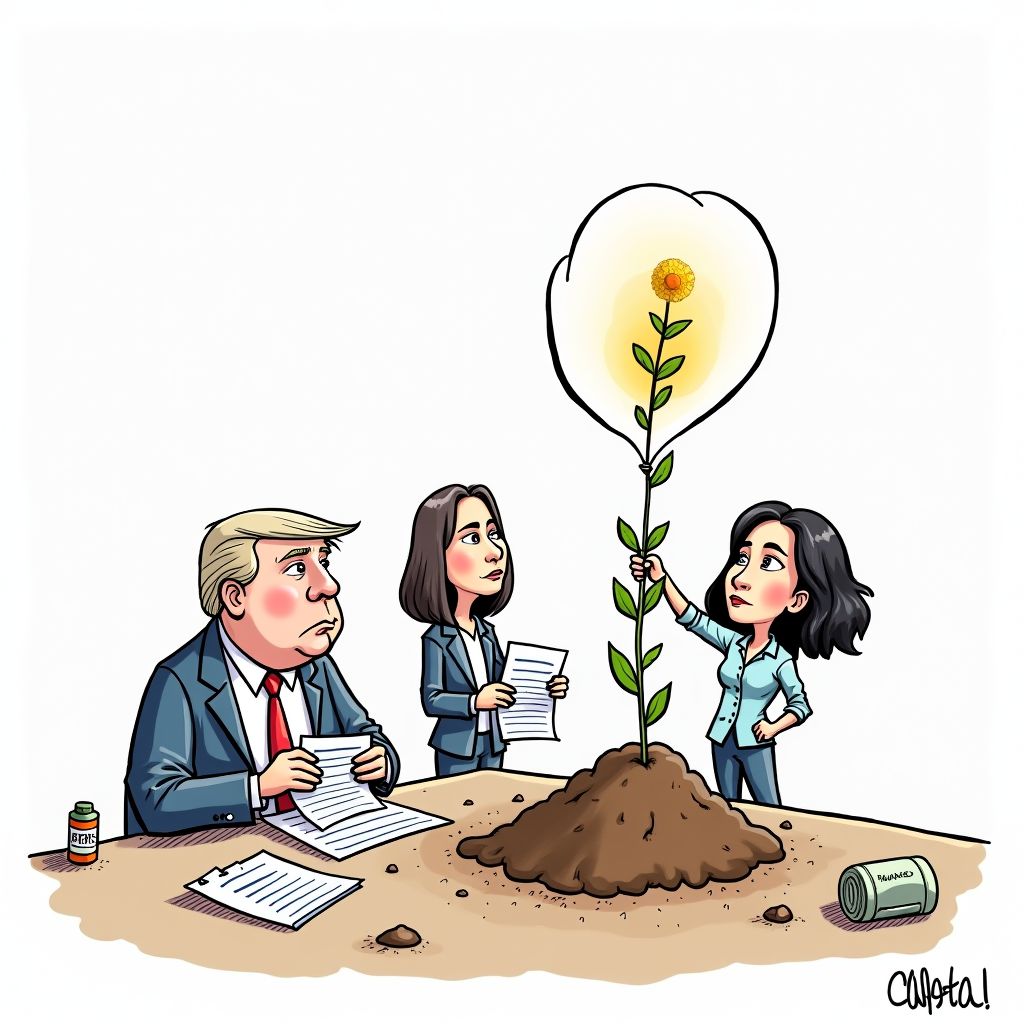
A whistleblower alleges DNI Gabbard planted a “mole” within the Inspector General’s office to suppress complaints linking Jared Kushner to sensitive Iran intelligence, sparking concerns over intelligence politicization.
Allegations of Internal Sabotage
On March 4, 2026, serious allegations emerged regarding the conduct of Director of National Intelligence (DNI) Tulsi Gabbard, specifically concerning the suppression of a whistleblower complaint that reportedly implicates the Trump administration. An analyst has accused Gabbard of planting a “mole” within the office of the Intelligence Community Inspector General (ICIG) to obstruct an investigation into a scheme allegedly designed to protect the Trump family [1]. This development follows reports from February 2026 that the whistleblower complaint had been “locked in a safe” rather than processed through standard channels [1]. The complaint in question reportedly centers on an intercepted conversation between two foreign nationals discussing Iran and the influence of Jared Kushner, President Trump’s son-in-law, on administration policy [1].
The Iran Connection and Kushner’s Influence
The suppressed intelligence report raises critical questions about the administration’s engagement with Iran, a topic of heightened sensitivity given recent military escalations. While the Trump administration considered a strike on Iran that occurred at the end of June 2025, the geopolitical landscape shifted dramatically just this past weekend [1][2]. In a joint operation with Israel, U.S. forces launched a deadly attack on Iran, resulting in the death of Supreme Leader Ayatollah Ali Khamenei [2]. This aggressive posture stands in stark contrast to Gabbard’s previous political branding; during her 2020 presidential campaign, she sold “No War With Iran” merchandise and advocated for the U.S. to avoid Middle Eastern entanglements [2]. Despite her past stance, Gabbard was present in the Situation Room during the recent operation [2]. Critics argue that Gabbard’s alleged delay of the whistleblower investigation—sitting on the complaint for eight months—suggests she may be prioritizing the protection of Kushner and the President over her statutory obligations to the public [1].
A Pattern of Politicized Intelligence
The accusations regarding the ICIG mole are part of a broader narrative suggesting the politicization of the DNI’s office under Gabbard’s leadership. Her involvement in domestic law enforcement operations has also drawn scrutiny; on February 16, 2026, Gabbard was personally present during an FBI raid of the Fulton County Election Hub, where election records were confiscated based on affidavits rooted in misinformation [5]. This presence at a domestic seizure of state voter records is highly unusual for a Director of National Intelligence and aligns with the administration’s aggressive pursuit of voter fraud narratives [5]. Conversely, Gabbard has been marginalized in other key national security decisions. It was revealed that she was excluded from planning meetings regarding the U.S. raid on Venezuela in January 2026—an operation to capture Nicolás Maduro—leading to jokes within the White House that the acronym DNI stood for “Do Not Invite” [2].
Oversight Mechanisms Under Strain
The integrity of the Intelligence Community Whistleblower Protection Act (ICWPA) relies heavily on “knowledge, trust, credibility and good faith,” pillars that analysts argue are being eroded by the current leadership’s actions [1]. The installation of a loyalist operative within the Inspector General’s office, if proven true, would represent a significant breach of the internal firewalls designed to ensure independent oversight. As the Trump administration faces scrutiny for data centralization projects—such as the Department of Government Efficiency’s (DOGE) consolidation of sensitive personal data—the breakdown of independent intelligence oversight mechanisms poses a compounding risk to civil liberties and national security protocols [5]. With Gabbard facing criticism for both her active participation in controversial domestic raids and her alleged obstruction of foreign intelligence inquiries, the independence of the nation’s top intelligence office remains a subject of intense debate.